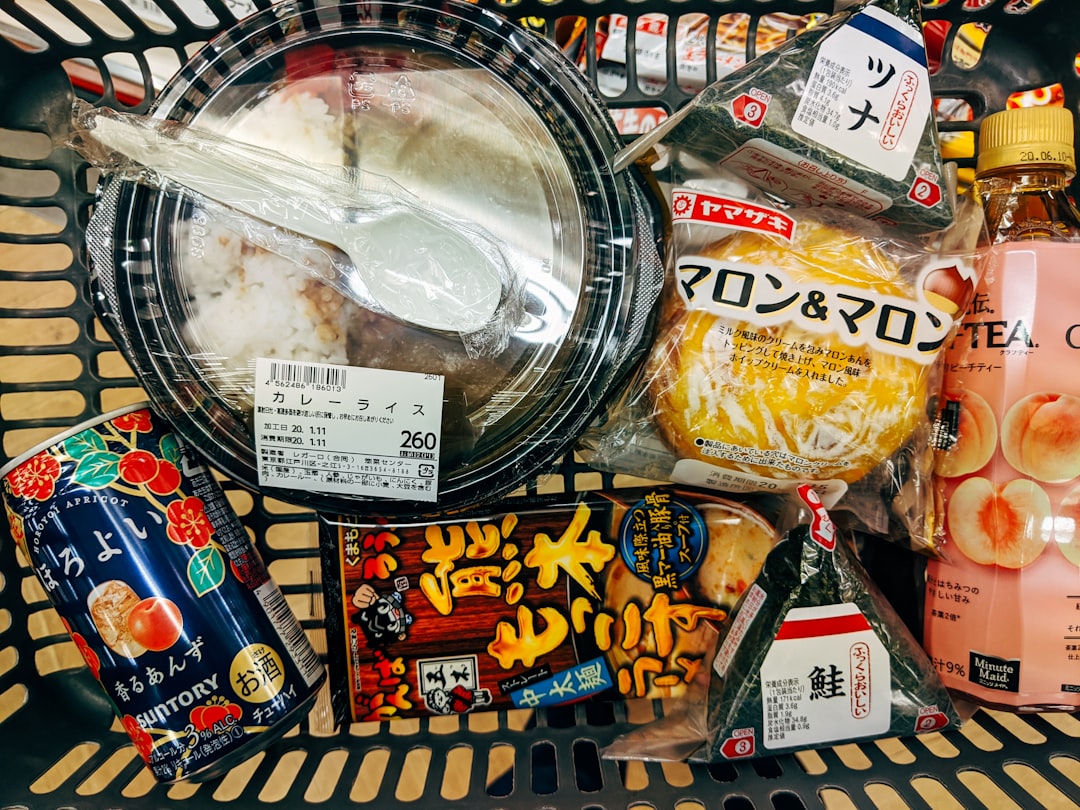
Holiday grocery shopping is easiest when you know two things before you leave home: whether your store is open, and whether it is running normal, reduced, or special holiday service. This guide is designed as a practical, yearly refreshable reference for anyone searching for grocery store holiday hours in 2026. Rather than guessing which supermarkets are open on holidays, use this page as a framework for checking chain announcements, local store pages, pharmacy counters, pickup windows, and delivery cutoffs before you shop. It is especially useful for last-minute errands, meal planning around holiday closures, and comparing which nearby supermarkets may be worth trying when your usual store is closed.
Overview
If you regularly search for grocery stores open today or holiday grocery hours, the main challenge is not finding a store name. It is finding reliable, local, up-to-date timing. Large chains often follow a broad company pattern on major holidays, but individual locations may still vary because of state rules, landlord restrictions, staffing, attached pharmacy hours, or neighborhood demand.
That is why a useful holiday-hours guide should do more than list a generic answer. It should help you verify local store hours quickly and avoid the most common mistakes. In practice, shoppers usually need answers to five questions:
- Is the supermarket open, closed, or operating reduced hours?
- Does the answer change by holiday?
- Does my nearest location follow the chain-wide schedule?
- Are pickup, curbside, and delivery operating on the same timetable as the store?
- Are pharmacy, deli, bakery, butcher, and customer service counters open for the full day?
For most shoppers, the biggest holidays to check are New Year’s Day, Easter, Memorial Day, Independence Day, Labor Day, Thanksgiving Day, Christmas Eve, Christmas Day, and New Year’s Eve. Some markets also see changes on Martin Luther King Jr. Day, Presidents Day, Juneteenth, Columbus Day or Indigenous Peoples’ Day, Veterans Day, and regional observances. The key point is simple: holiday schedules are not one-size-fits-all, even within the same brand.
When using this article as your reference point, think in three layers:
- Chain guidance: a broad holiday pattern that may apply to many stores.
- Local confirmation: the actual hours listed for your neighborhood location.
- Service details: whether pickup, delivery, pharmacy, prepared foods, and customer support follow different hours.
This layered approach matters because shoppers often confuse “store open” with “everything open.” A store may unlock its doors for limited shopping while specific departments close earlier. That can affect holiday meal plans in a very practical way. If you need a decorated cake, a hot deli side, sliced meat, a prescription refill, or same-day delivery, do not rely on the front-door hours alone.
Holiday hours also connect directly to savings. A rushed stop at the wrong store can mean paying more, missing digital coupons, or settling for poor substitutions. If you are shopping on a tight budget, it helps to pair your hour-checking routine with broader savings habits, such as planning lower-cost meals and comparing staples in advance. Readers interested in stretching a family grocery budget may also find useful context in When Confidence Is Low, Shoppers Get Smarter: How to Stretch Every Grocery Pound and From Restaurant Inflation to Grocery Aisle Deals: The Best Swaps for Eating Well on a Tight Budget.
In short, this page is not a static promise that every chain will do the same thing every year. It is a dependable method for checking which supermarkets are open on holidays and for making fast decisions when you need a grocery store near you on a busy holiday schedule.
Maintenance cycle
This topic works best as a maintained annual reference. Grocery store holiday hours change on a predictable rhythm, so the page should be reviewed on a schedule rather than only after it becomes outdated.
A practical maintenance cycle looks like this:
1. Annual full refresh before the holiday calendar begins
At the start of each year, update the article title, year references, and structure for the upcoming holiday cycle. This is the moment to review whether the page still covers the holidays readers care about most and whether the search language should be adjusted. For example, some readers search by holiday name, while others search more generally for store hours holiday schedule or supermarkets open on holidays.
2. Seasonal spot checks ahead of major holidays
The most useful checkpoints are the weeks leading into Easter, Thanksgiving, Christmas, and New Year’s. These are the holidays when closures or reduced hours tend to matter most for meal planning. A spot check should focus on chain newsroom posts, local store locator pages, app listings, and service-specific notes for curbside and delivery.
3. Local-intent review during peak search periods
Search behavior often becomes more urgent right before the holiday itself. At that point, readers are less interested in general advice and more interested in immediate action: what is open near me, what time does it close, and can I still place an order? The article should stay structured for that local-intent use case, with clear instructions for verification and a reminder that nearby alternatives may differ.
4. Ongoing minor edits when chain patterns change
If a supermarket brand changes its store locator, app interface, support page structure, or curbside scheduling system, the article should be updated even if the holiday calendar has not changed. A page can become less useful simply because the verification path is outdated.
Because this is a maintenance-style topic, the goal is not to predict specific 2026 hours without confirmation. The goal is to give readers a page worth returning to every year. That means preserving a stable structure while refreshing the time-sensitive details around it.
A strong refresh routine for this article should include:
- Checking whether the year in the title and introduction is current.
- Reviewing whether the major holiday list still matches user expectations.
- Confirming that advice about store locators, apps, and customer support remains accurate in general terms.
- Updating internal links to related savings or planning content where helpful.
- Improving clarity for mobile readers who are likely checking hours on the go.
This is also a good place to connect holiday-hour planning with broader shopping strategy. If you are visiting more than one store to complete a holiday list, a simple comparison mindset can lower stress and reduce overspending. For related context, see Randalls Grocery Delivery Review and Price Comparison for an example of how service timing, fees, and convenience affect the real cost of shopping.
Signals that require updates
Some pages can wait for a yearly revision. Holiday-hours content usually cannot. The reader often arrives with immediate intent, so several signals should trigger an update as soon as they appear.
The clearest update signals include:
- A new year: if the title still references an old year, the page loses trust quickly.
- Search intent shifts: if readers increasingly search for delivery, pickup, or same-day options instead of in-store access, the article should adapt.
- Chain policy wording changes: if brands begin emphasizing “select locations,” “varies by market,” or app-only hour listings, the article should explain that more clearly.
- Repeated user confusion: if shoppers are likely to misread pharmacy hours as store hours or curbside hours as in-store hours, that issue needs more prominent treatment.
- Major holiday landing pages appear earlier: if chains start publishing seasonal hour information well ahead of the holiday, the article can guide readers toward those official checkpoints sooner.
Another important signal is a mismatch between what readers ask and how the article is framed. For example, a title about “which supermarkets are open” may still need short, practical guidance on how to find the nearest backup option when the first-choice store is closed. That local fallback behavior is common on holidays, and it fits naturally within a store directory and local intent page.
Watch for these content-level warning signs as well:
- The article feels too generic and does not help with real verification steps.
- It discusses holidays but ignores local store locators and app checks.
- It assumes chain-wide consistency without warning readers that local variation is common.
- It does not mention service counters, pickup, or delivery windows.
- It lacks a practical final checklist for same-day use.
Updating the page is also worthwhile when the surrounding shopping environment changes. During periods when households are more budget-conscious, shoppers may be more willing to visit a second or third store rather than pay convenience prices at the first open location they find. That makes holiday-hours information more useful when paired with price-awareness content. For adjacent reading, Restaurant Closures, Rising Costs, and Where Shoppers Can Still Eat Well for Less and Morrisons’ Value Play: What the ‘Value Triangle’ Means for Deal Hunters both reinforce the broader idea that timing and store choice affect value.
Common issues
The most common problems with grocery store holiday hours are not dramatic. They are small misunderstandings that become inconvenient at exactly the wrong time. Knowing them in advance can save a wasted trip.
Store hours vs. department hours
A supermarket may be open while the pharmacy, floral desk, deli counter, bakery, or customer service desk is closed or operating on shorter hours. This matters most on holidays built around meals and gatherings. If you need prepared trays, custom cakes, sliced deli meat, seafood counter help, or prescription services, check those departments separately.
Pickup and delivery running on a different schedule
Curbside pickup and grocery delivery often have order cutoffs, reduced time slots, or holiday blackouts that do not match store opening hours. A store can be open to walk-in shoppers while same-day pickup is unavailable. If your plan depends on convenience services, verify the earliest and latest order windows in the app or checkout flow.
Local store variation within the same chain
Readers often assume that one chain announcement applies everywhere. In reality, urban stores, suburban stores, franchise-style formats, and stores in shopping centers may operate differently. Local pages are especially important on Thanksgiving, Christmas Eve, Christmas Day, and New Year’s Eve.
Confusing “holiday hours” with “24-hour store” expectations
Even stores that usually operate late or around the clock may reduce hours on major holidays. Shoppers who rely on very early morning or late-night visits should confirm exact opening and closing times, not just whether the store is “open.”
Outdated third-party listings
Maps, old blog posts, community forums, and copied business directory entries may lag behind official updates. These sources can be useful as a clue, but they should not be your final check. The safest path is still the official store locator, chain app, or direct contact with the location.
Last-minute stock assumptions
Being open does not guarantee good stock. A store may technically be operating but missing key holiday items such as milk, eggs, bread, cream, herbs, disposable pans, ice, soft drinks, or bakery goods. If the item is essential, consider calling ahead or choosing a store that offers real-time pickup substitution tools.
To avoid these issues, use a simple holiday verification routine:
- Check the official store locator for your specific branch.
- Check the chain app if one is available.
- Review pickup or delivery availability separately.
- Confirm special departments if you need them.
- Keep one backup supermarket in mind.
That backup-store habit is especially useful if you compare circulars or shop multiple banners for value. Readers who track pantry staples and category swings may also appreciate planning articles such as Corn, Wheat, and Sugar Watch: 3 Staples That Could Reshape Your Grocery List This Month and The Best Time to Buy Baking Basics, since holiday shopping often centers on the same staple categories.
When to revisit
If you want this page to stay useful, revisit it on a predictable schedule and use it as a checklist rather than a one-time article. The most practical times to come back are the week before a major holiday, the day before a planned shopping trip, and the morning of the holiday if you still need to make a stop.
Here is a simple action plan for readers:
- Seven days before the holiday: decide which store is your first choice and which store is your backup.
- Two to three days before: check the local store page, app, or holiday announcement for hours and service limits.
- The night before: confirm whether pickup, delivery, deli, bakery, and pharmacy hours match the main store hours.
- The day of shopping: check one more time before leaving home, especially if weather, staffing, or local conditions could affect the schedule.
If you publish or maintain this topic as a site resource, the refresh points are equally clear:
- Update the year at the start of each calendar cycle.
- Review the article before Easter, Thanksgiving, Christmas, and New Year’s.
- Revise wording when search behavior shifts toward mobile, same-day, or local-intent queries.
- Add clarity when recurring confusion appears around department or service hours.
- Keep the article focused on verification and local usefulness rather than broad assumptions.
For readers, the takeaway is straightforward: the best holiday-hours strategy is not memorizing which chain is “usually” open. It is building a fast routine for checking the exact store you plan to use. That routine saves time, reduces stress, and helps you avoid paying more at the last possible moment.
Bookmark this guide as your annual starting point for grocery store holiday hours, then pair it with store locators, weekly ads, and local price comparison tools when the holiday rush begins. And if your goal is not just to find an open supermarket but to shop more efficiently overall, it is worth exploring broader budget-focused reading such as Cotton Costs and the Grocery Aisle and From Cereal to Tortillas: How Corn Market Gains Could Show Up on Store Shelves. Holiday timing matters, but so does what you buy once you get there.