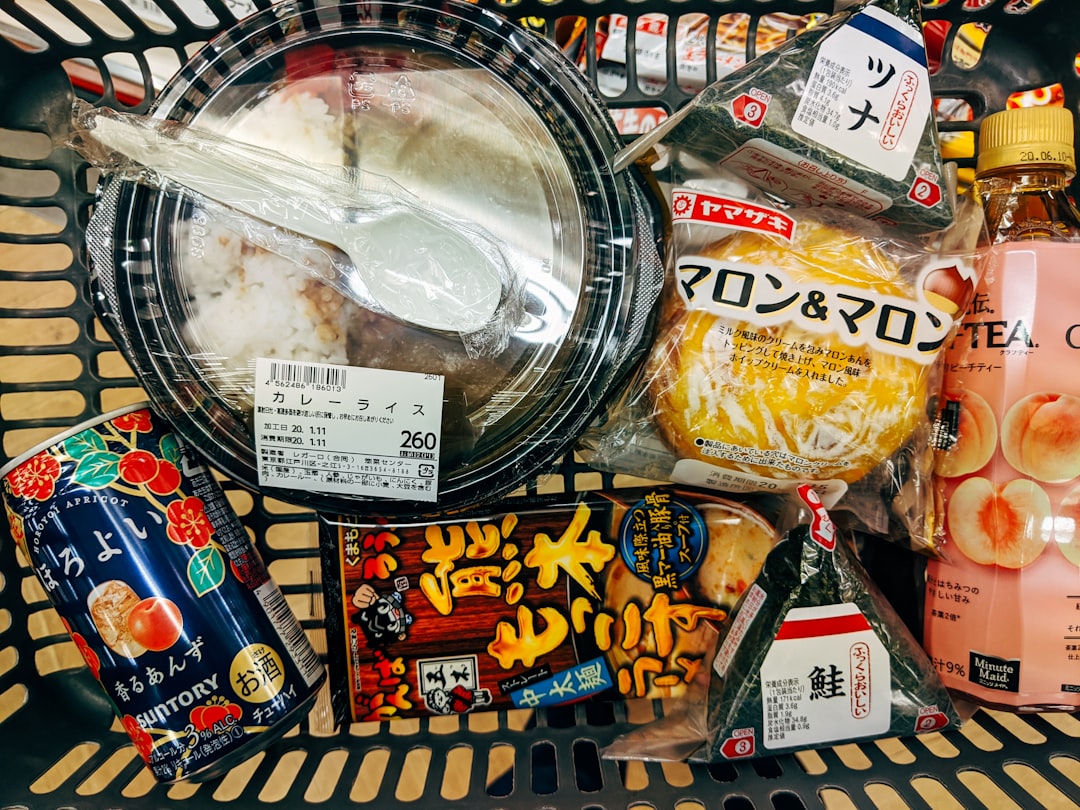
Why a Corn Rally Can Show Up in Your Cart Sooner Than You Think
Corn market moves may sound like something that only matters to traders, farmers, or ethanol plants, but the ripple effects reach much farther. When corn futures strengthen on export demand, that can change the cost backdrop for a long list of grocery items that use corn as a raw ingredient, a processing input, or a packaging and feedstock cost driver. The most visible impacts often show up first in products that are tightly tied to corn-based inputs: cereal prices, tortillas, chips, and certain frozen foods. If you shop with a grocery scanner or do regular price comparison, these are exactly the categories worth watching early.
Recent market reporting showed corn futures rallying as export business moved to multi-year highs, with cash corn also firming after international buyers stepped in following a price break. That matters because strong exports can reduce available supply, support futures pricing, and eventually nudge higher the costs that food manufacturers face when they source corn, corn syrup, corn meal, and related inputs. Not every shelf changes at the same pace, though, and that timing gap is where smart shoppers can save. For a broader look at how market timing can guide purchases, see our guide on shopping like a trader with economic calendars and the broader economic dashboard approach to timing risk.
Pro Tip: Commodity pressure rarely hits every item overnight. The smartest savings move is to identify which products are most exposed to corn costs, then use store-brand swaps before the shelf tag changes.
How Corn Moves From the Futures Board to the Grocery Aisle
Step 1: Futures and cash prices shape manufacturer expectations
Corn futures are not the same thing as grocery shelf prices, but they influence them. Manufacturers watch corn futures to estimate future ingredient costs, then use those expectations when negotiating contracts, planning promotions, and setting price lists with retailers. If export demand remains strong and pushes futures higher, that can make buyers less willing to offer deep discounts later. The result is often gradual, not immediate: large processors may have months of hedging or inventory, while smaller brands can reprice more quickly.
This is why a commodity rally can feel like a slow leak rather than a sudden jump. The first evidence often appears in packaging-heavy, high-volume staples where margin is already thin. If you want to understand how product-level pricing can shift even when the market story is broad, our article on shockproofing against volatility offers a useful lens: companies hedge, delay, and then pass through costs in stages. Grocery is no different.
Step 2: Food processors face a chain of decisions
When corn gets more expensive, processors have several options. They can absorb the cost for a while, reduce package size, change formulations, switch suppliers, or raise prices. The route they choose depends on competition, brand power, and how easy it is for shoppers to swap to another item. That means a private-label tortilla chip can be repriced faster than a premium national brand with loyal customers, while a boxed cereal may linger at the same shelf price until the next reset. The key for shoppers is learning which products are more likely to move first.
For food brands, there’s also a creative side to adaptation. The article on how small food brands partner with research institutes shows how innovation can help businesses manage ingredient pressure without sacrificing quality. Shoppers should expect the same kind of experimentation on shelves: reformulations, new pack sizes, and more store-brand alternatives.
Step 3: Retailers decide where to pass through costs
Retailers do not pass through inflation uniformly. They look at category importance, competitor pricing, and promotional calendars. If one chain can keep cereal deals sharp while another raises everyday price tags, a shopper using a supermarket directory and scanner can exploit the difference. This is exactly where a centralized comparison tool becomes valuable: it turns a market headline into an actionable shopping plan. If you want to compare local stores and service options before the weekend shop, start with our service-directory style listing advice translated into grocery logic: complete profiles, clear hours, and accurate inventory matter.
The Grocery Categories Most Likely to Move First
Cereal prices: a visible early warning signal
Cereal prices are one of the first places shoppers may notice a corn cost ripple. Many cereals rely on corn-based ingredients directly, and even brands that use mixed grains can face higher processing costs, energy costs, and freight costs when commodity markets tighten. Because breakfast staples are often purchased by value shoppers in large, repetitive quantities, retailers are careful with promotions—but if corn stays firm, those discounts may become less generous. Watch for box size changes, loyalty-card-only pricing, and “new recipe” labels that subtly mask margin pressure.
This category is also highly comparable across stores. A grocery scanner can quickly show whether a store-brand corn cereal or oat-corn blend has been held steady while name brands creep upward. For shoppers focused on value, that comparison is more useful than tracking the commodity itself day by day. Think of it as a practical extension of the principles in stacking savings with deals and coupons: the sale is only a real deal if you compare before buying.
Tortillas and chips: the fastest “corn story” on the shelf
Tortillas and chips often react quickly because corn is central to the product identity. Tortillas made from corn masa, corn tortilla chips, and many snack lines depend directly on corn inputs, making them highly sensitive to input inflation. If corn prices rise, manufacturers may respond by trimming promotional depth, increasing per-ounce prices, or shifting shoppers toward mixed-grain or flour-based alternatives. Snack aisles are often where this plays out first because consumers notice a slight package price change less than they notice a missing favorite flavor.
The practical move is to compare not just the sticker price but the unit price and package weight. A “same price, smaller bag” change can be more damaging than a clean price increase because it is easier to miss. Value shoppers should also keep an eye on secondary options like house-brand tortilla chips, regional labels, and club-size packs if household demand is high. For a useful retail-merchandising perspective, our guide on turning inventory pressure into better listing decisions shows how presentation and pack strategy can influence what gets sold first.
Frozen foods: indirect corn exposure through coatings, fillings, and supply chains
Frozen foods may not seem as corn-dependent as cereal or tortillas, but they can still be affected. Corn derivatives appear in batters, sauces, fillings, thickeners, and sweeteners, and many frozen items also carry broader input costs that move alongside commodity markets. If processors are dealing with higher corn costs, they often look for places to recoup margin across their portfolio, including frozen entrées, breakfast sandwiches, and value bags of vegetables or appetizers. This means the freezer aisle can lag the snack aisle, but it is not immune.
Shoppers often miss this because frozen foods are purchased in bursts rather than every week. The smart move is to build a benchmark list of your household’s core frozen items and track them over time with a scanner. If one brand’s corn-based breakfast item rises while a store-brand version stays flat, the swap is usually easy. That approach resembles the logic in turning customer comments into better recipes: feedback and comparison reveal where a product can be improved or replaced without reducing satisfaction.
Less obvious items: syrups, mixes, baking goods, and processed meats
Corn impacts do not stop with the obvious corn products. Corn syrup, modified starches, maltodextrin, and corn-based sweeteners show up in sauces, baked goods, protein bars, condiments, and even some processed meats. That matters because a rise in corn costs can pressure a much wider basket than just the tortilla aisle. Grocery shoppers looking for the first wave of inflation should scan labels on sauces, pancake mixes, dessert fillings, and pantry snacks. If ingredients include multiple corn derivatives, the product may be more exposed than the front-of-pack name suggests.
For shoppers who like to investigate ingredients the way a detective investigates clues, our guide on using AI like a food detective is a good complement. It helps you understand why ingredient lists matter when commodity costs start to move. And if you are comparing products across several stores, our article on where to save and where to splurge applies surprisingly well to groceries: spend on the items that matter most to your household, and trade down where the product difference is small.
What Store Brands Can Do to Soften the Hit
Store-brand swaps are the first defense
When corn-linked prices begin to rise, store brands are usually the fastest and easiest buffer. Private labels often have leaner marketing costs, more flexible sourcing, and stronger retailer control over pricing, which can make them slower to rise or more aggressively promoted when national brands get expensive. That does not mean every store brand is automatically cheaper, but it does mean shoppers should compare the unit price before assuming the familiar label is the best value. In many commodity-driven categories, the store brand holds steady just long enough for you to adjust your shopping pattern.
A practical example: if name-brand corn cereal rises and the retailer’s house brand stays flat, a family can often preserve breakfast budgets without changing meal routines. The same logic works for tortilla chips and basic frozen side dishes. For deal hunters, this is where price comparison tools become essential. They expose whether the store brand is truly cheaper or simply smaller, and they help you catch temporary promotions before they disappear.
Packaging changes can hide inflation
One of the biggest mistakes shoppers make is comparing only the shelf tag, not the amount of food inside. When ingredient costs rise, manufacturers frequently keep the sticker price unchanged while reducing package weight or count. That can happen in cereal boxes, tortilla packs, snack bags, and frozen multipacks. A good grocery scanner should always show unit price, because that is the cleanest way to identify a true swap versus a packaging trick.
To understand how hidden value can appear in everyday purchases, look at the logic behind bundle pricing and buy-two-get-one strategies. Grocery version: a slightly larger family-size store brand may outvalue a “sale” name brand even if the sticker price seems higher. The point is not just to buy cheaper; it is to buy smarter per ounce, per count, and per meal.
Private label innovation has improved a lot
Modern store brands are not the low-quality fallback they once were. Many supermarkets now use the same or similar co-packers as national brands, which means the quality gap can be narrower than shoppers expect. That is especially true in staple categories like tortillas, cereal, chips, and frozen foods, where consistency matters more than branding. If your store has a strong private-label program, it may be the easiest hedge against corn-driven inflation without changing your menu.
The rise of better private-label positioning is similar to what happens in other categories when brands focus on value rather than hype. Our piece on weather-driven deal strategy shows how smart timing can make an ordinary product the best buy of the week. Grocery shoppers can do the same by watching the weekly ad, comparing store-brand placement, and buying enough of the right staples when the price is favorable.
Comparison Table: Where Corn-Driven Price Pressure Is Most Likely to Appear
| Category | Corn Exposure | Likely Price Sensitivity | Best Store-Brand Swap? | What to Watch |
|---|---|---|---|---|
| Corn cereal | Direct ingredient and processing exposure | High | Yes | Box size, unit price, coupon depth |
| Corn tortillas | Very direct masa/corn input exposure | High | Yes | Pack count, freshness, private-label quality |
| Corn tortilla chips | Direct corn and frying-cost exposure | High | Yes | Bag weight, sale cycles, flavor substitutions |
| Frozen breakfast items | Indirect corn derivatives and portfolio pricing | Medium | Sometimes | Ingredient list, multi-pack value, loyalty pricing |
| Sauces and mixes | Corn syrup, starches, and sweeteners | Medium | Sometimes | Label changes, reformulations, hidden shrinkflation |
| Processed snacks | Ingredient and packaging exposure | Medium | Often | Serving size, promotional cadence, store-brand taste test |
This table is the quick-reference version of a much bigger shopping truth: not all categories react equally to a commodity move. The highest-risk areas are the products where corn is a core ingredient, not just a supporting input. If you shop with a scanner, these should be on your watchlist every week. If you shop by habit alone, they are the places where price creep is easiest to miss.
How to Use a Grocery Scanner to Catch Corn-Driven Changes Early
Build a baseline basket
The most effective scanner strategy is to build a baseline basket of 10 to 15 items your household buys regularly. Include one or two cereal items, a tortilla pack, a chip brand, a frozen food, a sauce, and a value staple like cornmeal or baking mix. Then save the unit price, package size, and store name. Once you have a baseline, even a small increase becomes obvious, especially if you track the same items at multiple stores. This is much more useful than reading commodity headlines in isolation.
Think of it as a household version of the systems approach used in clinical integration patterns: multiple data points matter more than one headline. A scanner is basically your grocery data layer. It transforms broad market risk into a specific decision: buy now, swap brands, or wait for next week’s ad.
Compare across stores, not just within one store
One retailer may absorb commodity pressure longer than another. A discount grocer might keep tortillas cheap but raise chips sooner, while a conventional chain may do the opposite. That is why price comparison should always be cross-store, not single-store. A good directory page with store profiles, weekly ad links, and local availability can save real money before you leave home. If you have not already, combine your scanner with store location and service info from our practical guide to community collaboration and local retail planning.
Shoppers who compare across retailers often discover that the cheapest basket is not the same store every week. That is especially true when commodity pressure hits one chain’s private label harder than another’s. The savings come from flexibility, not loyalty. And because grocery budgets are increasingly tight, flexibility is often the difference between eating the same foods you enjoy and being forced into lower-quality substitutes.
Track promotion quality, not just promotion presence
A sale tag does not guarantee value. When corn-linked products get more expensive, retailers may keep promotions visible but reduce the discount percentage, shorten the sales window, or attach conditions like app-only redemption. That means a scanner should help you compare against historical prices, not just today’s promotion. If a cereal is “on sale” but still costs more per ounce than it did three weeks ago, the deal is weaker than it looks.
This is a lesson borrowed from promotional strategy in other industries. The article on using analytics to time tournaments and drops shows how timing can make an event feel bigger than it is. Grocery promotions work the same way: the calendar shapes the perception of value, but the scanner tells the truth.
Practical Shopping Strategies for the Next 30 Days
Buy stable staples, not panic stockpiles
If corn futures remain strong, there is no need to panic-buy. Instead, focus on staples that are clearly exposed and have a long shelf life, like boxed cereal, shelf-stable tortillas, chip multipacks, and freezer items that your household uses regularly. Buying a one- or two-month buffer can make sense if you see a good price, but overbuying introduces waste risk. The best strategy is to buy what you know you will consume before the next reset.
For households trying to balance food storage and cost control, the logic in home safety and storage maintenance may seem unrelated, but the principle is similar: prevention beats crisis management. A calm, planned pantry strategy beats an overloaded pantry full of items bought at the wrong price. The goal is resilience, not hoarding.
Choose flexible substitutions
Flexibility is the strongest defense against commodity-based inflation. If corn tortillas spike, flour tortillas may still be stable. If one cereal brand rises, a store-brand oat blend or generic corn flakes may be cheaper. If a frozen breakfast sandwich jumps in price, a different size or format may preserve value. These are not dramatic changes, but they preserve budget without forcing a complete menu overhaul.
For shoppers who like practical swaps, our guide on buy now or wait captures the same decision-making framework: when to act, when to hold, and when to switch. Grocery is simply the everyday version of that choice.
Use store brands as your first comparison point
Make store brands the first thing you compare, not the last. In many corn-sensitive categories, the house label is the easiest way to hold spending flat while national brands reprice. Even if you prefer a premium brand for flavor or texture, it is worth checking whether the store brand has improved enough to become a good temporary replacement. The key is to test intelligently, not assume. If the store brand passes the taste test, it should enter your rotation immediately.
If you are building a smarter shopping system, you may also find value in the ideas behind stacking discounts and turning market research into action. In grocery terms, research means scanning, comparing, and swapping before you check out.
What This Means for Shoppers Over Time
Inflation is category-specific, not universal
One of the biggest mistakes consumers make is treating inflation as a single number that hits everything equally. In reality, commodity moves often concentrate in specific categories, and corn is a good example of that pattern. If export demand supports corn prices, some products will move quickly while others stay stable for months. That is why a grocery shopper should think in terms of exposure rather than headlines.
It also means the right response is targeted. You do not need to overhaul your entire shopping cart. You need to know which items to watch, which brands to compare, and when a store-brand swap makes sense. That is the real value of a price-comparison mindset.
Private label may become more important in value baskets
As commodity pressure continues to shape shelf pricing, store brands may become even more central to value shoppers. Retailers can use private label to protect affordability, keep customers loyal, and differentiate their baskets from competitors. For shoppers, that means more opportunities to save if you are willing to evaluate store brands with an open mind. In many cases, the money saved can be reinvested in higher-quality items elsewhere in the cart.
This is not only about cutting costs; it is about designing a smarter household budget. A thoughtful basket can combine premium and store-brand items in a way that preserves satisfaction while minimizing exposure to price spikes. That balanced approach is the best long-term answer to commodity-driven grocery inflation.
Scanner-driven shopping becomes a core household skill
The more volatile food markets become, the more valuable scanner-based shopping will be. A grocery scanner gives you a live map of what is changing, what is stable, and where the real value sits this week. It also helps you avoid emotional buying, which is one of the most expensive habits in grocery shopping. If a corn-driven price move is coming, the scanner can help you get ahead of it instead of reacting after the shelf tag has already shifted.
For shoppers who want a broader strategy, our guide on building an economic dashboard is a helpful complement. The best grocery decisions come from combining market awareness with local store data. That is exactly the kind of approach that turns deal hunting into real savings.
FAQ: Corn Prices, Grocery Impact, and Smart Swaps
Will higher corn futures always raise grocery prices?
No. Futures are a leading signal, not an automatic shelf-price trigger. Retailers and manufacturers often hedge, buy ahead, or delay changes until contracts reset. But if corn stays elevated for long enough, the pressure tends to show up in the categories most directly tied to corn ingredients.
Which products are most likely to change first?
Corn tortillas, tortilla chips, and corn-heavy cereals are among the most exposed. Frozen foods, sauces, and processed snacks may follow later, especially if corn derivatives are part of the recipe or if companies spread pricing pressure across a broader product line.
Are store brands usually the best defense?
Often, yes. Store brands can be more flexible on sourcing and pricing, and they usually have lower overhead. But shoppers should still compare unit price and taste, because not every private-label item is the best value in every store.
What should I look for on a grocery scanner?
Look at unit price, package size, and historical price patterns if available. A good scanner should help you distinguish a genuine deal from shrinkflation or a temporary promotion that is weaker than it looks.
Should I stock up on corn-based staples now?
Only if the price is already favorable and you know you will use the product before it expires. Strategic stock-ups can make sense for shelf-stable staples, but panic buying can backfire if you end up with waste or buy at a poor price.
Do all store brands have the same quality as name brands?
No, but many are much closer than shoppers assume. The gap depends on the category and the retailer. In high-volume staples like cereal, tortillas, and chips, store brands are often worth testing because the savings can be meaningful.
Bottom Line: Follow the Corn Story Where It Actually Matters
When corn export strength pushes corn futures higher, the most useful question for shoppers is not “What does the commodity market do next?” It is “Which products on my receipt are exposed first?” The first wave is likely to appear in cereal prices, tortillas, chips, and eventually some frozen foods and processed staples. The best way to respond is not with panic, but with comparison: compare stores, compare unit prices, compare brands, and compare package sizes.
That is why store brands matter so much. They are the simplest way to soften a commodity impact before it becomes a budget problem. If you pair a good price comparison mindset with a reliable grocery scanner, you can stay ahead of the shelf changes instead of chasing them. In a market where corn can move from export headlines to breakfast bowls and taco nights, information is the real savings tool.
Related Reading
- How to Build a Cozy, Pet-Friendly Feeding Nook That Matches Your Home - A useful layout guide for households organizing food-adjacent spaces.
- How Rising Memory Costs Could Change the Phones and Laptops You Buy Next - Another example of commodity pressure reaching everyday purchases.
- Salt Bread at Home: Mastering the ‘Butter Hole’ Technique - A hands-on food technique piece for home cooks who love better texture.
- Why Criticism and Essays Still Win: Lessons from the Hugo Data for TV Critics - A reminder that deep analysis still beats surface-level reporting.
- Branding Lessons from Slipknot's Legal Battles - An unexpectedly sharp look at how brand identity shapes consumer behavior.