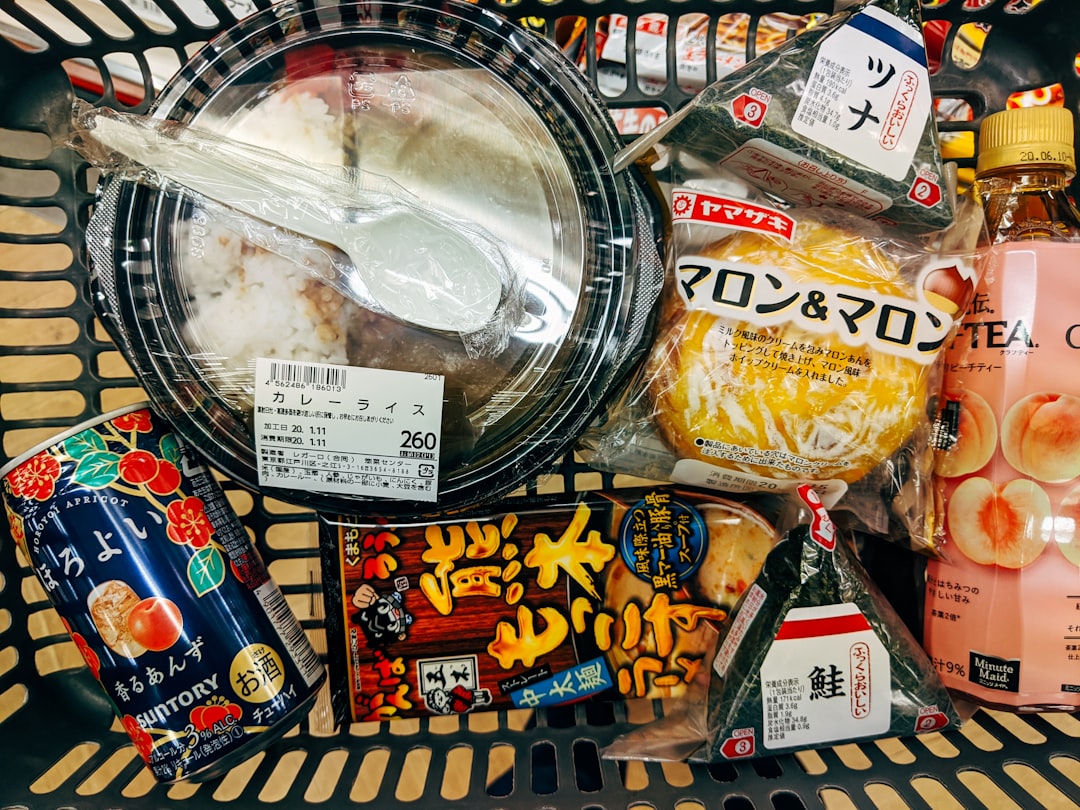
When consumer confidence slips, grocery shopping changes fast. People don’t just spend less; they shop with more intent, more comparison, and a sharper eye on what actually makes a basket worth the money. That shift is exactly what recent reporting has pointed to: confidence remains weak, and shoppers are responding by becoming more selective, more deal-aware, and more willing to rethink routine purchases. For a practical overview of the broader mood, see our guide on consumer confidence and cautious shoppers and how that sentiment shapes day-to-day spending.
This matters because the grocery aisle is where macro pressure becomes personal. A small increase in awareness can save more money than a dramatic one-off discount ever will, especially when families use grocery budgeting, trading down, and simple meal planning together. Retailers know this too, which is why value messaging, personalized offers, and “good-better-best” ranges are getting so much attention; Morrisons’ renewed focus on its value strategy is a useful signpost for where the market is heading, and you can read more in Morrisons’ value triangle strategy. The key is to respond like a smart household, not an anxious one: buy what you need, compare what matters, and use promotions only when they fit the plan.
In this guide, we’ll break down the shopping habits that tend to emerge in weaker confidence periods, how to build a reliable value basket, and how to avoid the most common traps of promo stacking, bulk buying, and “saving” money by overbuying. We’ll also connect these habits to practical planning systems, including pantry inventories, weekly menus, and price-per-unit checks, so your household budgeting becomes less reactive and more repeatable. If you want a broader macro view of how prices respond across categories, our explainer on timing big purchases around macro events is a helpful companion read.
Why Low Consumer Confidence Changes Grocery Shopping Behavior
Shoppers become more price aware, but not always more strategic
When confidence is low, shoppers usually start noticing price changes that used to blend into the background. They compare brands more often, pay closer attention to unit prices, and become more sensitive to a £1 difference on everyday items like bread, milk, coffee, and detergent. That is the good news. The less helpful part is that stress can also make people less methodical, leading to panic buys, duplicate purchases, or a “grab it now before it gets worse” mindset that undermines savings.
The goal is to turn that heightened price awareness into a durable system. Instead of treating every trip like a fresh decision, create rules that do the comparison work in advance: which products can be traded down, which categories must stay premium, and which deals are truly worth stockpiling. This is where value-focused shopping and meal planning intersect. If your weekly menu already tells you what to buy, you’re less likely to chase marketing-led impulse deals that don’t fit your actual consumption.
Trading down does not mean trading quality for disappointment
One of the biggest myths in grocery budgeting is that cutting cost always means cutting satisfaction. In reality, trading down is often about choosing the right item tier for the right use. For example, store-brand pasta can perform nearly identically to a premium label in a baked dish, while a slightly better-quality olive oil may matter more if you use it raw in dressings. That nuance is what smart shoppers are really buying: fit-for-purpose value.
To make trading down work, build a list of categories where own-label options are usually safe swaps and a second list where quality differences are noticeable. You may find that swapping biscuits, canned tomatoes, frozen vegetables, rice, and cleaning products saves far more than forcing yourself to downgrade every item. If you want to sharpen that process, our guides on beating dynamic pricing and timing promotions with trading-style signals show how to spot price movements without getting overwhelmed.
Value baskets work because they reduce decision fatigue
A value basket is simply the set of products your household buys repeatedly at the best acceptable price. That basket becomes the anchor for comparison, and it helps you identify when a deal is actually meaningful. If your usual breakfast basket includes oats, eggs, bananas, and milk, then you can compare those four items across stores instead of being seduced by a “30% off” sticker on a product you rarely use.
Confidence shocks make people mentally tired, which is why a defined basket helps so much. It limits the number of choices you have to make at the shelf and gives you a better sense of whether a weekly shop is truly cheap. For households looking to lower overall spending, this is the difference between random discount chasing and intentional budgeting.
How to Build a Grocery Budget That Flexes With Prices
Start with spending bands, not a single rigid target
Many shoppers try to set one fixed weekly budget and then feel like failures when prices shift. A better approach is to create spending bands: a low-spend week, a normal week, and a top-up week. That structure allows you to respond to changing prices and household needs without abandoning your plan. It also helps when a category is unusually expensive or a sale stockpiling opportunity appears.
Think in terms of total household budgeting rather than a single receipt. If meat prices spike, you can reduce spend in snacks or drinks. If fruit is unusually cheap, you can increase volume there and cut back elsewhere. Budgeting becomes a balancing act across the month, not a moral test after every checkout.
Track the only numbers that actually help
You do not need a complicated spreadsheet to shop smarter, but you do need a few key data points. Track your average spend by category, the unit price of your most-bought staples, and how often promotions actually change what you buy. This helps you avoid false savings, such as buying a larger pack that costs more per 100g or purchasing enough discounted items to push waste higher than the discount itself.
For a deeper framework on comparing purchase options, our article on comparison calculators for budgeting decisions is a useful example of how structured choices reduce mistakes. While that guide is about finance, the same logic applies in grocery shopping: compare like with like, then decide based on total value rather than sticker shock alone.
Use a monthly rhythm instead of reacting to every deal
Strong household budgeting depends on timing. Some items are cheapest in predictable cycles, while others fluctuate with promotions or seasonal supply. Build a calendar for replenishment items like coffee, toiletries, laundry detergent, and frozen vegetables, and reserve flexible spending for fresh produce and opportunistic discounts. This gives you room to act without letting every offer dictate your list.
A practical monthly rhythm might look like this: one stock-up shop, two normal shops, and one “use what’s left” week. The stock-up trip is for low-risk staples you already know you will use. The normal shops cover perishables. The final week helps clear leftovers and reduces waste, which is often the hidden tax on grocery overspending.
Trading Down the Smart Way: Where to Save and Where to Stay Flexible
High-opportunity categories for trading down
Some categories are ideal for trading down because brand differences are minimal. Think flour, rice, tinned beans, pasta, chopped tomatoes, frozen mixed vegetables, tissue products, bin bags, and many pantry basics. In these cases, store-brand or lower-tier options often deliver nearly the same utility. The money saved here can fund better-quality items elsewhere, such as fresh fruit, coffee, or a protein source your family truly likes.
It helps to remember that “premium” is not always better in practice. Packaging, brand recognition, and promotional design can create a sense of quality that isn’t matched by a meaningful improvement in the meal. If the item disappears into a sauce or casserole, the label is often less important than consistency, taste, and shelf life.
Where downgrading can backfire
There are also categories where a cheaper substitute can disappoint quickly. This often includes coffee, tea, cheese, yogurt, bread for sandwiches, and some protein items, depending on your household’s preferences. If a cheaper version leads to leftovers being ignored or meals feeling less satisfying, the “saving” can disappear through waste or takeout cravings.
That is why smart trading down is selective. It is not a race to the bottom; it is a way to preserve the highest enjoyment per pound spent. In practice, many households do best by keeping a short “must-buy quality” list and trading down everywhere else.
Use private-label tiers like a ladder, not a binary choice
Most supermarkets now offer several tiers of value, standard, and premium. Treat those as a ladder. The cheapest tier may be fine for baking or bulk cooking, while mid-tier store brands can be better for everyday use. Premium own-label lines often compete with branded products on taste or presentation, which can be useful when there’s a meaningful gap between standard and premium national brands.
This is where confidence-linked behavior becomes interesting. Low confidence doesn’t always mean “buy the cheapest.” It often means “think harder about the tradeoff.” The smartest shoppers move item by item, not brand by brand, and let the basket do the work. To see how retailers structure those value levels, you can also explore the idea behind value triangles and compare that with how you build your own household ladder.
Timing Purchases for Better Prices Without Becoming a Deal Chaser
Know the difference between a sale and a cycle
Not every discount is a real bargain. Many categories follow a promotional cycle, especially when retailers want to drive traffic, clear seasonal inventory, or spotlight a brand family. If you learn the normal sale cadence for your household staples, you can wait for the right moment instead of buying at full price out of habit. This is particularly useful for non-perishables, household goods, and recurring treats.
For example, if a breakfast cereal is regularly promoted every few weeks, there is little reason to pay full price unless your stock is empty. But if fresh berries are unusually cheap because of seasonal supply, that may be the right time to buy, freeze, or turn them into overnight oats and yogurt toppings. The objective is not to buy everything on sale; it is to buy the right things when their shelf-life and your meal plan align.
Use a “buy now” rule and a “wait” rule
Decision rules keep emotion out of shopping. A simple “buy now” rule might be: if the item is a staple, the price is at or below your target, and you have space to store it, buy it. A “wait” rule might be: if it is nonessential, expensive per use, or likely to go on sale again soon, hold off. Over time, these rules reduce the mental load of shopping and make savings more repeatable.
This same logic appears in other consumer categories too. Our guide on maximum savings from laptop deals shows how value hunters use thresholds and timing rather than impulse. Grocery shoppers can borrow that thinking without turning grocery aisles into a stock-trading floor.
Seasonality is the most reliable discount engine
Seasonal produce is one of the easiest places to stretch a grocery budget because supply naturally changes prices. Buying strawberries when they are abundant, root vegetables in colder months, or tomatoes when they are in season can produce better flavor and lower cost at the same time. The same principle applies to holiday baking ingredients, barbecue goods, and back-to-school lunch items.
When confidence is weak, households often become more conservative about “treat” buying, but seasonal shopping gives permission to spend smartly rather than mechanically cutting everything. If a seasonal item is both cheaper and better, that is a rare combination worth exploiting. The trick is to plan around those windows instead of discovering them after prices rise again.
Promo Stacking Without Overbuying: How to Use Offers the Right Way
Understand what promo stacking actually means
Promo stacking is simply combining more than one saving mechanic when the retailer allows it, such as a multibuy, a loyalty price, and a manufacturer coupon. Done well, it can meaningfully reduce costs. Done badly, it creates a cart full of items you did not need. The key is to stack only on products already on your list, not on anything that looks “too good to leave behind.”
If your supermarket app offers personalized savings, use those offers as a filter, not a shopping mission. A deal is only useful if the item fits a planned meal or a stable household use case. For a broader perspective on limited-time discount decision-making, our article on flash deal triaging is a helpful reminder that urgency should never replace utility.
Avoid the overbuying trap with a use-rate check
The easiest way to overbuy is to focus on discount percentage instead of consumption rate. Before you add a promoted item to the basket, ask: how many times will we actually use this before it expires? If the answer is “probably once” and the pack contains six, you are not saving money—you are prepaying for waste.
A useful rule is to calculate the implied weekly use of anything you plan to stockpile. If your household uses two jars of pasta sauce a month, buying six because they are on offer may only make sense if there is genuine shelf space and no better alternative. This turns promo stacking into a disciplined practice rather than a hobby.
Multi-buy deals are best when they match real consumption patterns
Multi-buy promotions are often more effective for households with predictable consumption, such as nappies, pet food, cereals, soap, and cleaning supplies. They are less effective for perishable items unless you can freeze, preserve, or repurpose them. A multi-buy only works if the buying frequency in your home naturally matches the offer structure.
That’s why it helps to think in terms of pantry turnover. A good deal on long-life goods may be worth stocking up on, while a “cheap” fresh deal can become expensive if half of it ends up forgotten. If you want more tactics for spotting genuine product discounts, our piece on where new product discounts hide explains how launch pricing and visibility often shape the best opportunities.
Meal Planning Is the Bridge Between Budgeting and Real Savings
Plan meals around ingredients, not recipes alone
The most efficient meal planning starts with ingredients you can use more than once. A roast chicken can become sandwiches, soup, and fried rice. A tray of roasted vegetables can become pasta, grain bowls, and omelet fillings. This approach makes each purchase work harder, which is especially valuable when confidence is low and waste feels more painful.
Instead of building meals around novelty, build them around overlap. If three dinners share onions, carrots, and rice, your shopping list becomes shorter and your chances of wasting ingredients go down. This is one reason meal planning is such a powerful tool in household budgeting: it reduces the gap between what you buy and what you actually eat.
Design a “core week” of affordable meals
A core week is a repeatable meal plan built around budget-friendly staples. For many households, that might include porridge or eggs for breakfast, sandwiches or leftovers for lunch, and rotating dinners like pasta bake, chili, stir-fry, curry, and soup. The actual dishes matter less than the structure: cheap proteins, low-cost starches, seasonal veg, and a few versatile flavor builders.
Once you have that core week, promotions become additive rather than disruptive. A special on mince can turn chili into bolognese, while a deal on yogurt can improve breakfasts and snacks without needing a full plan rewrite. You can also lean into preservation skills for surplus produce; our guide to pickling vegetables at home is a great example of stretching fresh ingredients further.
Leftovers are not an afterthought; they are an asset
Many households underestimate leftovers because they are framed as second-best meals. In reality, leftovers are a cost-control mechanism. They reduce the need for extra ingredients, make lunch easier, and smooth out the impact of price spikes. The more intentionally you plan for leftovers, the less you need to rely on convenience food when energy is low.
Try assigning leftovers a role before the week starts. Monday’s roast dinner becomes Tuesday’s wraps, Wednesday’s soup base, or Thursday’s fried rice. This makes each grocery pound work across multiple meals and helps turn one shopping trip into several days of certainty.
How to Read Offers, Labels, and Unit Prices Like a Pro
Unit price beats headline discount every time
Retailers know the big percentage sign gets attention, but unit price is what determines true value. Compare price per 100g, per kg, per litre, or per item so you can see the real cost of the product size you’re buying. Larger packs are not automatically better, and smaller premium packs may sometimes be cheaper per serving than “bulk” alternatives that are poorly sized for your household.
To keep this practical, compare five things before buying: unit price, pack size, expiry date, storage needs, and whether the item is already on your meal plan. If any of those five look wrong, the deal is probably not as good as it first appears. This is the kind of disciplined comparison that helps turn consumer caution into actual savings.
Brand claims should be weighed against household use
Promotions often lean on feel-good claims: improved quality, better ingredients, more value, or healthier formulations. The claim may be true, but the question is whether it matters for your use case. A product that is “better” in theory may not be better for your household if it costs more and doesn’t change the meal outcome much.
That is why shoppers should read labels in context. If a product is mostly used as an ingredient, the differences may be marginal. If it is a front-and-center item in your routine, quality could matter more. For example, just as consumers are urged to scrutinize claims in other categories like pet food marketing claims, grocery shoppers should verify whether a “premium” label truly changes the experience.
Be careful with “savings” that appear only at checkout
Some savings are only obvious after loyalty apps, digital coupons, or basket thresholds are applied. These can be helpful, but they can also nudge you into adding extra items just to unlock a reward. If you were already planning to buy the qualifying items, great. If not, the threshold is not a deal; it’s a trap.
To stay disciplined, calculate the minimum spend required to unlock the offer and compare it to your current list. If you have to buy filler items you won’t use, the promotion may cost more than it saves. This kind of checking is especially valuable when confidence is low and households are more vulnerable to “just in case” purchases.
A Practical Comparison Table for Smarter Grocery Choices
| Shopping Tactic | Best Use Case | Main Benefit | Main Risk |
|---|---|---|---|
| Trading down to own label | Pantry staples, cleaning products, frozen veg | Immediate cost reduction with low quality loss | Choosing the wrong category to downgrade |
| Promo stacking | Planned staples with long shelf life | Combines discounts for stronger savings | Overbuying and waste |
| Meal planning | Busy households with repeatable routines | Fewer impulse buys, lower food waste | Too rigid if plans ignore price changes |
| Seasonal buying | Fruit, vegetables, holiday ingredients | Better freshness and lower price | Buying too much at peak abundance |
| Value basket tracking | Regular weekly shopping | Makes price comparison easier | Can become outdated if preferences change |
| Stock-up shopping | Non-perishables and recurring household goods | Locks in low prices when the deal is real | Ties up cash and storage space |
Turning Caution Into a Smarter Shopping Habit
Build a repeatable store routine
Low confidence is not just an economic story; it is a behavioral one. Shoppers who feel uncertain start paying closer attention, and that attention can become a powerful habit if it is structured properly. A simple routine—check the list, compare the basket, verify unit price, and confirm meal fit—creates savings without requiring constant effort. Over time, this routine is what makes budgeting sustainable.
If you want to expand your store strategy beyond a single supermarket, use supermarket directories, weekly ad trackers, and product search tools to compare nearby options before you leave home. This is especially useful when you need to balance price with convenience, hours, or pickup availability. Even small differences in store choice can matter over a month of routine shopping.
Let data inform your instinct, not replace it
Good shoppers don’t ignore instinct, but they don’t rely on it blindly either. Your memory of what a product “usually costs” may be surprisingly useful, but it should be paired with actual shelf data and a running idea of your household’s consumption. The combination is what creates confidence in the cart: you know what you need, what it should cost, and when to walk away.
That’s the central lesson in weak-confidence periods. Caution doesn’t have to mean deprivation. It can mean clarity, especially when households treat their money as something to direct rather than just react to.
Pro Tip: The fastest way to stretch every grocery pound is not chasing the deepest discount. It is combining a fixed value basket, a weekly meal plan, and a strict rule that every promoted item must earn its place in the next 7–14 days of meals.
Use tools that make comparison easier
Instead of guessing, let digital tools do the heavy lifting. Weekly ad directories, product scanners, store profiles, and local inventory checks save time and reduce the chance of missing a better price nearby. The more efficient your comparison process becomes, the less likely you are to overpay just because a trip was inconvenient.
For ideas on comparing offers and spotting the most efficient choices, you may also like our guide to leveraging timely discounts and the broader framework in price comparison strategy. While these examples come from other categories, the underlying method is the same: compare the right metrics, then decide with intent.
Frequently Asked Questions About Grocery Budgeting in a Low-Confidence Market
What is the smartest way to save money when grocery prices keep changing?
The smartest approach is to build a flexible value basket, shop with a meal plan, and reserve stock-up buying for long-life staples you already use regularly. That combination gives you predictable savings without forcing you to chase every promotion. It also helps keep waste down, which is often the biggest hidden cost in a grocery budget.
Is trading down always worth it?
No. Trading down works best in categories where brand differences are minimal, such as rice, pasta, canned tomatoes, and cleaning products. It is less effective when quality differences affect how often you enjoy or finish the product, such as coffee, bread, or certain dairy items. A selective approach usually saves more and feels better.
How do I know if a promo is genuinely good value?
Check the unit price, compare it with your usual purchase history, and confirm that the item fits your meal plan or household usage rate. If the promotion pushes you to buy more than you can reasonably use, it is not a real saving. A true deal should reduce your normal cost, not create extra waste.
How can meal planning help when money is tight?
Meal planning reduces decision fatigue, makes shopping lists shorter, and helps you reuse ingredients across several meals. It also protects you from impulse buying when you see a discount that doesn’t fit your week. Even a loose plan—three dinners and a leftover strategy—can make a noticeable difference.
What is promo stacking, and should I do it?
Promo stacking means combining multiple discounts on the same item, such as loyalty pricing plus a coupon or multibuy. It can be powerful, but only if you were already planning to buy the product and can use it before it expires. Otherwise, stacked discounts can encourage overbuying and reduce the value of the savings.
How do I stop overbuying just because an item is on sale?
Use a simple rule: if the item is not already on the menu or in your regular household rotation, leave it. Then check whether you can store it safely and use it before it goes bad. If the answer to either is no, the discount probably isn’t worth it.
Related Reading
- Subscription Price Hikes: Which Services Are Raising Rates and Where You Can Still Save - A useful look at how households can defend recurring budgets when costs creep up.
- Buying Imported Pet Food: A Parent’s Checklist for Safety and Label Reading - A reminder that smart label reading matters in every aisle, not just groceries.
- Will Ultracapacitor Power Banks Arrive in Stores? What to Expect and When - An example of how shoppers can evaluate future product value before committing.
- Eco vs. Cost: Making Smart Choices on Compostable Napkins and Cups - Helpful for households balancing values, utility, and budget limits.
- From Overwhelmed to Organized: A Parent’s Guide to Reducing Academic Stress at Home - A practical organizing mindset that translates well to family meal planning.