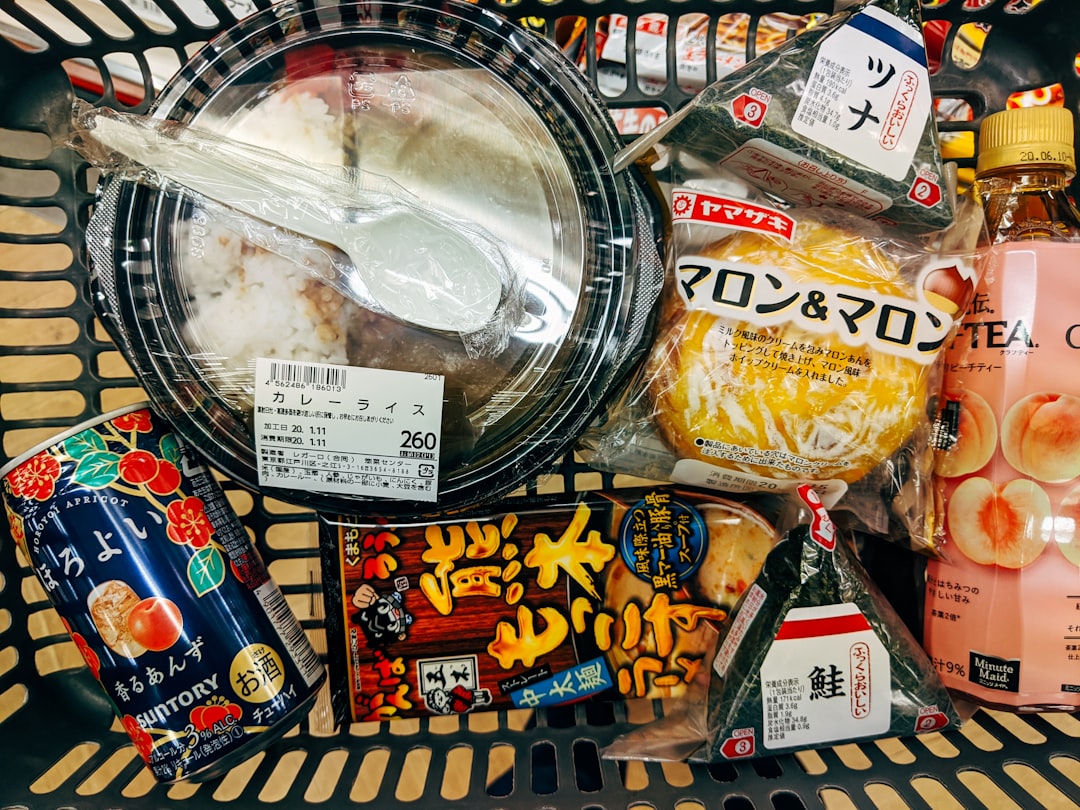
Grocery clearance shelves can lower a food bill quickly, but only if you know how to separate a real bargain from a rushed purchase. This guide explains how supermarket clearance food usually works, what to buy on grocery clearance, what to skip, and how to use markdowns without creating waste, safety problems, or false savings. The goal is simple: help you shop clearance sections with more confidence and better judgment, whether you are visiting supermarkets near you, comparing weekly grocery ads, or building a flexible family grocery budget.
Overview
Clearance markdowns are one of the most misunderstood parts of grocery shopping. Many shoppers assume anything on a discount rack is an automatic deal. Others avoid clearance entirely because they worry the food is old, low quality, or risky. In practice, neither view is very helpful.
Most grocery clearance markdowns happen for ordinary reasons. A store may be moving seasonal inventory, making room for a reset, clearing short-dated items, discontinuing a flavor, replacing damaged packaging, or reducing stock that did not sell as expected. That means a markdown can signal anything from “excellent pantry bargain” to “use tonight or leave it.” The label alone does not tell you which one it is.
A smart discount grocery shelf guide starts with one rule: buy based on use, not just percentage off. If you would not normally buy the item, cannot use it before quality drops, or do not have space to store it properly, the discount is less important than it looks.
Clearance shopping also works best when it fits into a larger savings plan. Weekly grocery ads, digital grocery coupons, store brand comparisons, and unit-price checks often beat random markdowns on staples. If you want a broader system, pair this guide with How to Read Unit Prices at the Supermarket and Save More and Supermarket Price Comparison List: Staples to Check Before You Buy.
Core framework
Use this framework any time you see grocery clearance markdowns. It is designed to be quick enough for an aisle decision and practical enough to prevent waste at home.
1. Identify why the item is marked down
Look for clues before you put anything in your cart. Common reasons include:
- Approaching sell-by or best-by date: Often fine for immediate use, but not ideal for long storage.
- Seasonal packaging: Holiday baking items, themed snacks, or limited displays may be discounted simply to clear space.
- Discontinued product: Usually a good opportunity if you already know and like the item.
- Damaged outer packaging: Acceptable only if the food inside remains sealed and protected.
- Overstock or reset: Sometimes the best kind of clearance because the product itself is still well within its normal shelf life.
If the reason is unclear, inspect more carefully. Stores vary in how clearly they label markdowns, so your own judgment matters.
2. Separate shelf-stable from perishable
This is the biggest distinction in supermarket clearance food.
Shelf-stable items usually offer the safest and easiest wins. Examples include canned beans, pasta, rice, cereal, broth, jarred sauces, baking supplies, nut butters, tea, coffee, crackers, and frozen basics. If packaging is intact and dates give you enough time, these can be strong clearance buys.
Perishable items require a narrower window. Meat, dairy, deli products, cut fruit, bagged salads, bakery cream items, and prepared foods may still be a good value, but only if you have a clear plan to use or freeze them quickly. With perishables, “cheap” is only useful when your timing matches the product’s condition.
3. Check packaging before checking the discount
Price tags attract attention, but packaging tells you far more. Skip items with broken seals, torn pouches, leaking containers, crushed cans with severe dents around seams, bulging lids, or anything that suggests loss of temperature control or contamination. Cosmetic damage on an outer box can be harmless; damage to the food barrier is different.
For refrigerated and frozen goods, also pay attention to texture and signs of mishandling. Excessive ice crystals, soft frozen products, sticky leaks, or warped containers can suggest the item has not been stored consistently.
4. Read the date with a use plan in mind
Not all dates mean the same thing, and stores may use different wording. In everyday shopping terms, the practical question is not “Can I own this?” but “Can I use this at good quality?”
- Buy now for later: Better for shelf-stable and freezer-friendly products.
- Buy now for this week: Good for yogurt, bread, produce, cheese, deli items, and fresh meat you can freeze promptly.
- Buy now for tonight: Best for heavily marked-down hot foods, prepared meals, bakery items with fillings, and very short-dated perishables.
If you cannot answer when you will use the item, leave it.
5. Compare the markdown against your normal buy price
A clearance sticker does not always mean the lowest price available. Some items are marked down from a high original shelf price and still cost more than a store brand, a weekly ad special, or a bulk staple at another grocery store near you. This is especially common with premium snacks, specialty drinks, novelty packaged foods, and some prepared meals.
Ask three quick questions:
- Is this lower than the usual price I see?
- Is the unit price still reasonable for the category?
- Would I buy a simpler alternative for less?
For broader savings decisions, it also helps to compare store brands with national brands. See Store Brand vs Name Brand Grocery Guide: Where You Can Save Most.
6. Favor ingredients over impulse items
The best markdown grocery shopping usually happens when clearance helps you buy ingredients, not distractions. A discounted bag of shredded cheese, canned tomatoes, tortillas, oats, frozen vegetables, or broth can become several meals. A discounted novelty dessert or flavored drink may not fit anything you already planned.
This is why clearance works so well with meal planning. If you build dinners from what is marked down and what is already in your pantry, you stretch savings much further than by buying random treats. For that approach, read How to Build a Weekly Meal Plan From Grocery Store Sales.
7. Know the safest high-value categories
In general, the most dependable clearance buys are:
- Dry pantry goods in intact packages
- Canned goods without severe damage
- Frozen foods that are still fully frozen
- Bread and baked goods you can freeze
- Yogurt and cheese you will use soon
- Fresh meat or seafood only if cooked or frozen promptly
- Produce that is ripe but still sound, especially for soup, roasting, smoothies, or sauces
The riskiest categories are those where one small storage issue can ruin the value: bagged salads near the end of life, deli salads, cream-based desserts, soft berries with visible moisture, and heavily handled prepared foods.
Practical examples
These examples show how to decide what to buy on grocery clearance in real shopping situations.
Example 1: Cereal in seasonal packaging
You find a cereal with holiday graphics at a steep markdown. The box is sealed, the product is shelf-stable, and you know your household eats it. This is usually a strong buy if the unit price is good. Seasonal packaging is often one of the safest clearance reasons because the food itself may be perfectly ordinary.
Example 2: Bagged salad marked down for same-day sale
The discount looks attractive, but the greens already appear wet and compressed. Even if the package date is still acceptable, the product is showing quality decline. Unless you are using it immediately and the condition still looks sound, this is often one to skip. Fragile produce loses value quickly.
Example 3: Family pack chicken with a markdown sticker
This can be a good deal if the package is cold, sealed, and you plan to cook or freeze it the same day. It is a poor deal if you are still running errands for hours, do not have freezer space, or are unlikely to use it soon. The clearance value depends on your handling, not just the store’s markdown.
Example 4: Yogurt cups sold individually on clearance
If the date is close but you will use them over the next few days, these can be practical buys. They are even better when they replace a planned breakfast or snack, not when they become extras you forget in the back of the refrigerator.
Example 5: Dented canned tomatoes
If the dent is minor and not affecting seams, the can may still be a workable purchase. If the can is sharply dented at the rim, swelling, rusting, or leaking, skip it. Clearance should never persuade you to take a chance on damaged food containers.
Example 6: Bakery bread on end-of-day markdown
This is often one of the easiest clearance wins. Bread, rolls, and many plain baked goods freeze well. If you already buy sandwich bread, garlic bread, buns, or bagels, markdown bakery sections can lower your weekly total with very little risk.
Example 7: Specialty sauce you have never tried
Even with a deep discount, this may not be a bargain. Clearance is not the best place to experiment unless the product clearly fits meals you already make. If it sits unused in the pantry, the markdown did not save you anything.
Example 8: Marked-down produce box
Some stores bundle ripe bananas, soft peppers, apples with blemishes, or tomatoes that need to be used soon. These can be excellent if you cook, bake, or freeze ingredients regularly. Bananas become smoothies or bread; tomatoes become soup or sauce; peppers can be sliced and frozen for stir-fries. Here, your kitchen habits determine the value.
If organic items are part of your routine, clearance can also be a useful way to buy them at less risk to your budget. See Best Grocery Stores for Organic Food on a Budget.
Common mistakes
The biggest clearance shopping mistakes are not dramatic. They are small decisions repeated often.
Buying because the sticker feels urgent
Markdown labels create a sense of scarcity. That can push people into buying foods they would never choose at full price and still do not really want at a discount. Pause long enough to ask whether the item fits your normal habits.
Ignoring unit price and package size
A markdown on a larger package can still be a worse deal than a regularly priced smaller one if part of it will go unused. This matters with shredded cheese, salad kits, snack packs, and family-size prepared foods.
Overestimating freezer space and future motivation
Many clearance purchases rely on an optimistic plan: “I’ll freeze it and make something later.” Sometimes that works. Often it turns into a crowded freezer and forgotten food. Buy only what you can store and rotate clearly.
Assuming all markdowns are equal across stores
Every chain has its own timing and approach. One store may move items to clearance early and clearly. Another may discount later and less aggressively. If you compare grocery prices across stores, you will notice patterns over time. That is one reason many shoppers benefit from revisiting store timing guides like Best Day to Shop for Grocery Deals by Store Type.
Forgetting to match clearance with coupons or ads
Sometimes the best grocery deals this week are not on the clearance shelf at all. Weekly ads, loyalty pricing, and digital grocery coupons can make a standard shelf item cheaper than a markdown item of similar type. Clearance should be one tool, not the whole strategy.
Using clearance for convenience foods instead of core meals
Many shoppers save more when they buy discounted ingredients and then build meals around them. Relying only on marked-down convenience foods can produce irregular results and uneven value. If feeding a household is your priority, you may get more predictable savings from a plan built around staples, ad specials, and selected clearance finds. For family-focused planning, see Best Supermarket Deals for Families This Week and Best Supermarkets for BOGO Deals and Multi-Buy Promotions.
When to revisit
Come back to this topic whenever your store routines change, your budget tightens, or local supermarket practices shift. Clearance shopping is not static. Stores change markdown timing, expand digital coupon programs, redesign sections, and adjust pickup or delivery availability. Your own needs change too: a larger family, less freezer space, a new commute, or a stronger focus on meal prep can all alter what counts as a good clearance buy.
A practical way to revisit your approach is to do a short reset every few months:
- Track what you actually used. Make a quick note of which clearance purchases turned into meals and which became waste.
- Update your “automatic buys” list. Keep a short list of markdown items that work well for your household, such as bread to freeze, yogurt for lunches, ripe bananas for baking, or canned goods for pantry restocking.
- Refresh your store comparison. Check whether a different supermarket weekly ad, coupon program, or store brand now offers more dependable savings than your usual clearance stop.
- Review your storage capacity. If your freezer, pantry, or refrigerator is already full, even a good markdown may not be useful.
- Adjust for shopping method. If you are moving between in-store shopping and pickup or delivery grocery stores, clearance access may change. You may need to rely more on planned sales and less on spontaneous markdown finds.
Your best next step is simple: choose one nearby store, inspect its clearance areas with this framework, and buy only items that pass three tests at once—safe condition, clear use plan, and real price advantage. That habit will do more for your budget than chasing every yellow sticker in the aisle.
If you want to build a stronger overall savings system around local supermarket deals, pair clearance shopping with weekly ads, unit-price checks, and meal planning from sales. Clearance is most effective when it supports a calm, repeatable routine rather than a last-minute gamble.