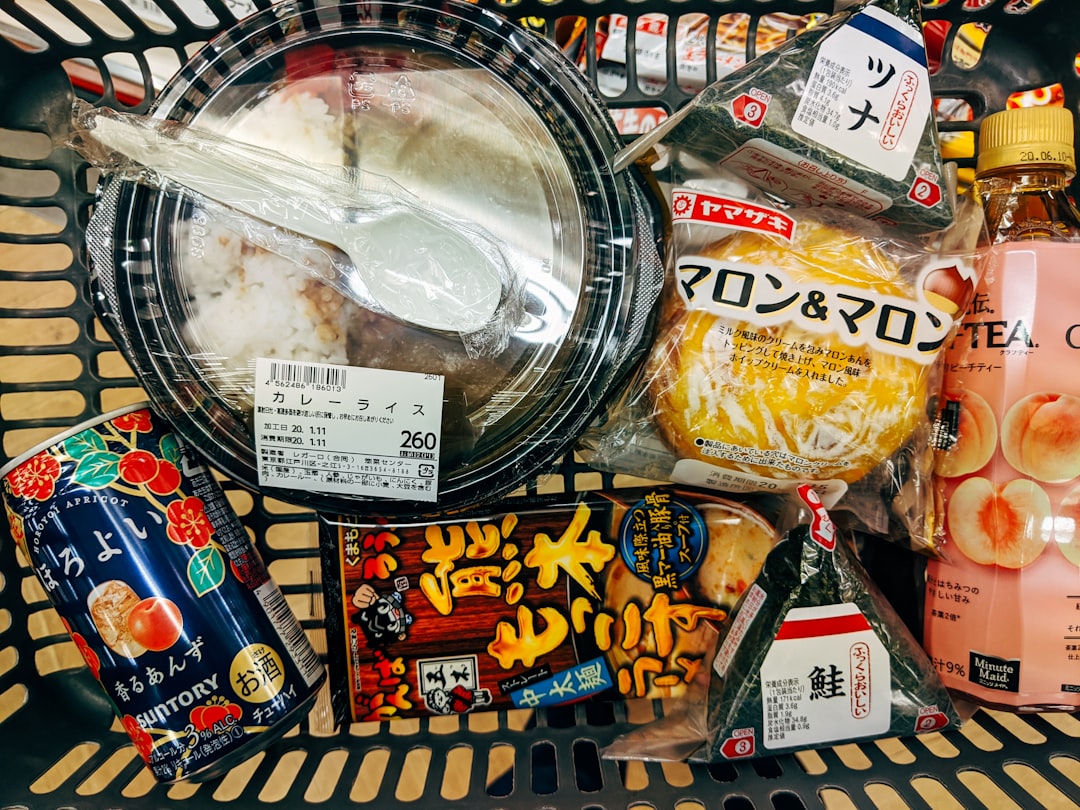
Weekly grocery ads can look busy, but families usually need the same practical things: proteins, grains, produce, lunch items, breakfast basics, and a few flexible staples that turn into several dinners. This guide shows how to turn this week’s supermarket deals into a repeatable meal plan and a simple cost estimate. Instead of chasing every sale, you’ll learn how to spot family-size deals that actually lower your cost per meal, how to compare stores without overcomplicating the trip, and when to revisit your plan as prices, promotions, and household needs change.
Overview
The best supermarket deals for families this week are rarely the flashiest items in the ad. The strongest values are usually the ingredients that can do more than one job: a large pack of chicken that becomes two dinners and one lunch, a bag of rice that stretches several meals, a sale on yogurt that covers breakfast and snacks, or canned tomatoes that anchor pasta night, soup, and chili.
That matters because a family grocery budget is shaped less by one dramatic bargain and more by how well your weekly grocery deals fit together. A cheap dessert, seasonal novelty, or single-use convenience item may look attractive in a grocery circular, but it does little to reduce your overall spending if it does not replace a planned purchase or help build meals.
A more useful way to read weekly grocery ads is to sort sale items into five meal-building groups:
- Proteins: chicken, ground turkey, eggs, beans, tofu, yogurt, cheese, canned fish
- Carbohydrate bases: rice, pasta, oats, bread, tortillas, potatoes
- Produce: seasonal fruit, onions, carrots, lettuce, cabbage, bananas, frozen vegetables
- Flavor and cooking staples: broth, canned tomatoes, peanut butter, cooking oil, salsa, spices if needed
- Lunch and snack anchors: sandwich fillings, crackers, applesauce, yogurt, popcorn, carrots, cheese sticks
When you compare local supermarket deals through that lens, you can estimate two practical outcomes before you shop:
- How many breakfasts, lunches, dinners, and snacks the sale list can support
- Whether the deals lower your actual weekly cost per person or simply shift spending into bulk items you may not use in time
If you want a broader framework for checking staple prices before building your list, see Supermarket Price Comparison List: Staples to Check Before You Buy. And if you are still deciding which nearby stores tend to offer the best value, Cheapest Grocery Stores Near Me: How to Compare Local Supermarkets is a helpful companion.
The goal is not to create a perfect couponing system. It is to build a family meal plan from the supermarket weekly ad in a way you can repeat every week in about 15 to 20 minutes.
How to estimate
Here is a simple calculator-style method for turning family grocery deals this week into a realistic shopping decision.
Step 1: Start with meal slots, not products
Count how many food occasions you need to cover for the next seven days:
- Breakfasts at home
- Packed or at-home lunches
- Dinners
- After-school or workday snacks
A family of four does not always need 84 fully separate servings each week. Some meals happen outside the home, leftovers cover lunches, and breakfast may repeat. The point is to estimate demand before you look at sale items.
Step 2: Build around one to three anchor deals
From the weekly grocery ads, choose a few “anchor” deals that can support multiple meals. Good anchor deals usually have one or more of these traits:
- They are family-size or multipack items you will definitely use
- They work in at least two different meals
- They freeze well or store well
- They replace a regular full-price purchase
Examples include a large pack of chicken, a multipack of pasta and sauce, a sale on eggs and bread, or a promotion on frozen vegetables and rice.
Step 3: Estimate cost per meal, not just shelf price
To compare cheap family groceries across stores, use a rough meal-cost formula:
Total ingredient cost for the dish ÷ number of servings = estimated cost per serving
Then multiply by the number of family members who will eat that meal.
This helps reveal whether a deal is actually practical. A larger package is not automatically the best grocery deal if half goes to waste or if it still needs many full-price add-ons.
Step 4: Separate stock-up deals from this-week deals
Families often overspend because they mix pantry-building purchases with immediate weekly needs. Keep these categories distinct:
- This-week deals: ingredients you will use in the next 7 days
- Stock-up deals: shelf-stable or freezable items worth buying ahead
If your budget is tight, prioritize this-week meals first. Stock-up deals are valuable only if they do not squeeze out your produce, proteins, or lunch basics.
Step 5: Compare two stores only if the savings are meaningful
Many readers searching for supermarkets near me or grocery store near me are trying to decide whether a second stop is worth it. A simple rule helps: only split your shopping if the second store offers meaningful savings on enough items to justify the extra time, fuel, or delivery fee.
If you shop online, factor in pickup and delivery charges before assuming the sale is cheaper. For that comparison, read Best Grocery Stores for Pickup and Delivery Fees Compared.
Step 6: Use a meal-first shortlist
Before you leave home, turn the ad into a shortlist with three columns:
- Buy now: clear needs at a good price
- Only if price beats regular backup store: items worth a quick compare
- Skip even though on sale: attractive but not useful this week
This is the easiest way to turn a supermarket weekly ad into a family-focused plan instead of an impulse cart.
Inputs and assumptions
Any useful estimate depends on a few assumptions. Keep yours simple and update them as your household changes.
1. Household size and appetite
A family with two younger children shops differently from a household with teenagers. When estimating servings, think in real portions your family actually eats, not package claims. If a “family size” item only covers one dinner and no leftovers in your house, treat it that way.
2. Number of meals eaten at home
Some weeks include school lunches, office meals, sports nights, takeout, or weekend events. Your cheapest grocery plan is the one that matches reality. If only five dinners will be cooked at home, do not buy for seven unless you are intentionally freezing extras.
3. Pantry and freezer inventory
The weekly ad is only half the equation. Check what you already have before chasing grocery deals this week. Rice, pasta, canned beans, broth, spices, shredded cheese, and frozen vegetables can dramatically lower the cost of this week’s dinners if they are already on hand.
A practical method is to identify:
- Two proteins already in the freezer
- Two starches already in the pantry
- One or two vegetables that need to be used soon
Then use sale items to complete meals rather than start from zero.
4. Waste risk
Waste cancels savings. Fresh berries on promotion may still be a poor value if your household will not finish them. A large tub of greens may be cheaper per ounce but more expensive per eaten ounce if half is discarded. For family meal deal groceries, durability matters. Frozen vegetables, carrots, cabbage, apples, oats, pasta, beans, and yogurt often provide steadier value than fragile produce bought without a plan.
5. Brand flexibility
Store brands often make a bigger difference than shoppers expect, especially on staple items. If your family is flexible on cereal, pasta, canned tomatoes, broth, or yogurt, your ad-based meal plan becomes easier to complete within budget. For a deeper look, see Store Brand vs Name Brand Grocery Guide: Where You Can Save Most.
6. Coupon and loyalty participation
The best supermarket for savings in your area may depend on whether you use loyalty pricing or digital grocery coupons. If you regularly clip offers in the store app, include that in your estimate. If not, compare against the shelf price you will actually pay. There is no benefit in planning around discounts you are unlikely to redeem. For a practical walkthrough, visit Digital Grocery Coupons Guide: How to Find, Clip, and Stack Store Deals and Best Grocery Store Loyalty Programs Ranked by Savings.
7. Shopping timing
Store timing can affect both selection and convenience. The best day to shop for local supermarket deals may vary by store type, restocking schedule, and when new ads begin. If you frequently miss promotional items, review Best Day to Shop for Grocery Deals by Store Type.
These assumptions are what make the article worth revisiting. As your family size, routine, pantry stock, or local store promotions change, the same framework still works.
Worked examples
The examples below use neutral assumptions rather than current prices. They are meant to show how to think through weekly grocery deals for families, not to suggest exact costs at any specific store.
Example 1: One protein deal becomes three dinners
Assume your supermarket weekly ad includes a good promotion on a family pack of chicken. You also already have rice, pasta, and a few pantry basics at home.
Instead of treating the pack as one meal, divide it into three uses:
- Sheet-pan chicken with potatoes and carrots
- Chicken tacos with tortillas, salsa, and cabbage slaw
- Chicken pasta with canned tomatoes and frozen spinach
Your estimate should include the chicken plus the ingredients needed to complete each meal. If most add-ons are already in your pantry, the chicken deal carries more value. If you must buy specialty sauces, extra sides, and a second vegetable for each recipe, the real meal cost rises quickly.
Decision test: Buy if the protein can anchor multiple meals and your family reliably eats it. Skip or buy less if it creates too much repetition or waste.
Example 2: Breakfast and lunch deals reduce weekday pressure
Families often focus on dinners and forget that breakfast and packed lunches can quietly consume the budget. Now assume this week’s grocery flyer has promotions on oats, yogurt, bread, peanut butter, and apples.
That combination can support:
- Oatmeal breakfasts
- Yogurt plus fruit breakfasts or snacks
- Peanut butter sandwiches for lunch
- Apple slices and yogurt as after-school snacks
This may not feel exciting, but these are often the best grocery deals because they replace routine purchases you would otherwise make at regular price. They also lower the odds of expensive convenience purchases during the week.
Decision test: Prioritize sale items that cover repetitive weekday needs before optional treats or one-night-only dinner ideas.
Example 3: A produce deal is only good if you can use it in time
Suppose one store has very attractive produce pricing on perishable fruit and bagged salad, while another has moderate prices on longer-lasting vegetables such as cabbage, carrots, onions, and frozen broccoli.
If your week is busy and you know some fresh produce may sit untouched, the second option may produce better value despite a less dramatic-looking ad. Family grocery savings come from food eaten, not food purchased.
Decision test: Discount fragile produce only if you already know where it fits: lunchboxes, breakfasts, side dishes, or prep-ahead snacks.
Example 4: Multipack deals work best with a meal map
A buy-more-save-more promotion can be useful if the items align with meals you already planned. For example, pasta, sauce, canned beans, tortillas, cereal, and broth can be worthwhile if they cover upcoming dinners and lunches.
But a mixed multipack of snack foods, frozen appetizers, or highly processed convenience meals may raise your bill without solving core meal needs.
Decision test: If you cannot assign each promotional item to a meal, snack routine, or future stock-up purpose, it is not really a family deal.
Example 5: Comparing two stores for a single family trip
Assume Store A has better prices on produce and store-brand pantry items. Store B has the better protein promotion and app coupon. Rather than fully shop both stores, try assigning roles:
- Store A: fill-ins, produce, store brands, staples
- Store B: the one anchor promotion worth the extra stop
Then total the likely savings, not just the advertised discounts. If the second stop only saves a small amount after time and transportation, keep the plan to one store. Readers tracking weekly grocery ads often save more through consistency than by trying to optimize every line item every week.
If you need a broader roundup format to start from, bookmark Weekly Grocery Ads This Week: Where to Find the Best Supermarket Deals. And if dining out costs are putting pressure on your food budget, From Restaurant Inflation to Grocery Aisle Deals: The Best Swaps for Eating Well on a Tight Budget offers practical swap ideas.
When to recalculate
Revisit your family deal estimate whenever the inputs change in a meaningful way. This is what keeps the method useful week after week.
Recalculate when:
- A new ad cycle starts and your main protein or produce deals change
- Your pantry stock drops and you can no longer rely on staples already at home
- School schedules, work lunches, or weekend plans shift the number of meals at home
- You are considering a different store, delivery service, or pickup option
- A loyalty offer or digital coupon changes your expected checkout total
- Seasonal produce rotates and different fruits or vegetables become the better value
- Holiday weeks affect availability, store hours, or shopping timing
On holiday weeks in particular, it helps to confirm store hours before making a two-stop plan. Keep Grocery Store Holiday Hours 2026: Which Supermarkets Are Open on Major Holidays handy if you shop close to major holidays.
To make this practical, use this five-minute weekly reset:
- Check one or two local supermarket deals sources
- List three anchor promotions that fit your household
- Count your meal slots for the next seven days
- Match sale items to actual breakfasts, lunches, dinners, and snacks
- Remove anything that is only “cheap” but not useful
That short reset is enough to identify the best supermarket deals for families this week without turning grocery planning into a part-time job. Over time, the system becomes easier because you will recognize your household’s repeat winners: the sale proteins, breakfast basics, produce staples, and pantry items that consistently lower your cost per meal.
The most reliable savings strategy is not buying the most discounted item in the ad. It is buying the right discounted item for the way your family actually eats.