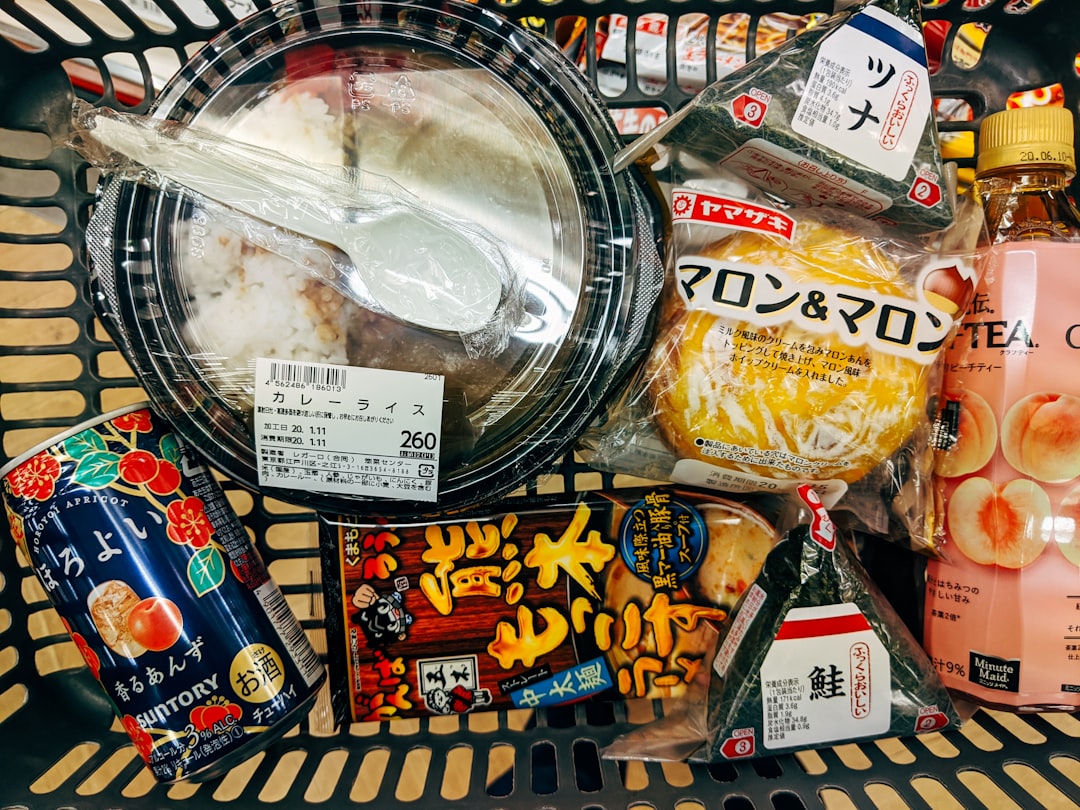
If you have ever wondered whether Wednesday is better than Saturday, or why one store has great meat markdowns while another seems strongest on pantry staples, this guide is for you. Instead of chasing random grocery deals this week, you can use a repeatable method to estimate the best day to shop for grocery deals by store type, household schedule, and what you are buying. The goal is not to guess a universal perfect day. It is to build a practical shopping rhythm that helps you catch weekly grocery ads, likely markdown windows, and loyalty offers without making extra trips.
Overview
The best day to shop for grocery deals depends on three moving parts: when a store starts its new promotion cycle, when that store tends to mark down short-dated items, and when you can actually shop without turning savings into wasted time or impulse spending. For many households, the real win comes from matching store type to purpose rather than expecting every supermarket weekly ad to work the same way.
Traditional supermarkets often run on a weekly ad schedule that changes once per week. Big-box grocery retailers may have strong everyday pricing but fewer dramatic weekly swings. Discount grocers can have limited-time buys that sell through quickly. Specialty, organic, and ethnic markets may not lean as heavily on broad circulars, but they can still offer strong value on produce, meats, bulk goods, or culturally specific staples on predictable restocking patterns.
That is why the smartest question is not simply, “What is the best day for supermarket sales?” It is, “What is the best shopping day for my stores and my list?”
As a planning rule, think in terms of windows:
- Ad-release window: when new sale prices typically begin.
- Markdown window: when stores may reduce perishables nearing their sell-by date or clearing space for new stock.
- In-stock window: when the shelves are most likely to be full enough to get the advertised items.
- Low-stress window: when you can shop calmly enough to follow your plan.
When these windows overlap, that is often your best day to shop for grocery deals.
If you routinely check weekly grocery ads this week and pair them with store-specific habits, you can make each trip more efficient. You do not need perfect information. You need a pattern you can test and update.
How to estimate
Use this simple calculator-style approach to find your own grocery markdown schedule by store type. The process works whether you shop one store or compare several supermarkets near you.
Step 1: Group your stores by type
Put each store you use into a rough category:
- Traditional supermarket: broad selection, weekly ad, loyalty promotions.
- Discount grocer: fewer brands, lower everyday pricing, limited special buys.
- Warehouse or big-box grocery: larger pack sizes, stronger stock-up value, fewer coupon opportunities.
- Organic or natural market: higher base pricing in some categories, but occasional good produce and store-brand deals.
- Ethnic or specialty market: often strong value on spices, produce, rice, noodles, sauces, bakery items, or butcher cuts.
Different store types reward different timing. If you are trying to compare grocery prices, this first step matters more than many shoppers expect.
Step 2: Track the weekly ad start day
For each store, note when its grocery circulars or digital promotions usually refresh. Some stores begin midweek, others start on Friday or Sunday, and some overlap old and new promotions for a short period. You do not need to assume exact days in advance. Check the store app, email, paper flyer, or local listing for two to three weeks and write down what you see.
Your first estimate should answer this question: When do new deals become visible and purchasable?
Step 3: Identify likely markdown categories
Next, pay attention to departments where timing matters most:
- Meat and seafood
- Bakery
- Deli and prepared foods
- Dairy
- Produce
- Seasonal clearance
These are the areas where shoppers most often ask, “When do grocery stores mark down food?” The answer varies by location and staffing, but in many stores markdowns happen during routine checks tied to freshness, inventory turns, or shelf resets. Instead of chasing a rumor, observe your stores at the same time on two or three different days.
Step 4: Score each shopping window
Give each store a simple score from 1 to 5 in four categories:
- Sale freshness: are new promotions active?
- Stock levels: are advertised items still available?
- Markdown likelihood: do you often see reduced tags in perishables?
- Convenience: can you shop without crowds, delays, or rushed choices?
Then use a weighted formula:
Deal Day Score = (Sale Freshness x 3) + (Stock Levels x 3) + (Markdown Likelihood x 2) + (Convenience x 2)
This is not a scientific benchmark. It is a practical way to compare your options using repeatable inputs. If stock-outs frustrate you more than missing markdowns, increase the weight on stock levels. If you mainly shop for same-day dinners and clearance proteins, raise the markdown weight.
Step 5: Split trips by purpose
Many households save more by using two smaller trips than one all-purpose trip. For example:
- Trip A: early in the ad cycle for pantry staples, produce specials, and digital grocery coupons.
- Trip B: later in the week for markdown hunting on bakery, meat, or deli items you can use quickly or freeze.
This approach is especially useful if one grocery store near you is best for ad pricing while another is better for reduced perishables.
If you want to build savings around coupons too, pair this guide with a digital grocery coupons guide and check whether your preferred stores support app-based offers, rewards, or limited stacking.
Inputs and assumptions
To make your estimate useful, keep the assumptions realistic. Grocery timing is local. Even two stores under the same banner can differ because of manager practices, delivery schedules, staffing, or neighborhood demand.
Input 1: Your main shopping goal
Start with what matters most this month:
- Lowest total bill
- Best grocery deals on fresh food
- Fastest one-trip routine
- Stock-up strategy for a family grocery budget
- Meal planning from weekly sales
A family trying to lower the monthly total may prefer the start of the ad cycle and store-brand comparison. A smaller household that cooks flexibly may do better with markdown timing.
Input 2: Category priority
List your top spending categories. A practical breakdown looks like this:
- Proteins
- Produce
- Dairy and eggs
- Frozen foods
- Dry goods and pantry staples
- Snacks and lunch items
- Household basics
The more perishable the category, the more timing can affect savings. Shelf-stable items are easier to buy when featured in a supermarket weekly ad, while highly perishable goods may be more dependent on markdown timing and how quickly you can use them.
Input 3: Distance and trip cost
A deal is weaker if it requires an extra drive across town. Add a simple trip cost estimate that includes fuel, time, parking, and the chance of unplanned purchases. If a second store only saves a few dollars but adds stress, it may not be the best supermarket for savings in your real life.
This is where a local comparison mindset helps. Our guide to cheapest grocery stores near me can help you compare local supermarket deals beyond headline sale prices.
Input 4: Store loyalty and coupon access
Some stores reserve the strongest prices for loyalty members or digital coupon users. If that applies to your store, the best day to shop may be the day you have enough time to clip offers, load rewards, and verify limits before checkout. If you do not use the store app, your effective sale price may be different from the ad.
It is worth reviewing which chains reward consistency. Our roundup of the best grocery store loyalty programs ranked by savings can help you decide where repeat shopping is most useful.
Input 5: Household flexibility
Be honest about your cooking style. If you meal plan tightly, an early-week ad shop may be ideal. If you cook more intuitively, a later markdown trip can work well. If you rely on pickup and delivery grocery stores, your best day may be when substitution risk is lowest rather than when markdowns are most likely, since reduced-tag items are often not visible online.
Assumptions to keep in mind
- Weekly ad release days are often stable until a holiday or policy change interrupts them.
- Markdowns are usually less predictable than ad cycles.
- Crowded shopping times can reduce your ability to compare tags carefully.
- Holiday grocery hours and holiday demand can disrupt normal patterns.
- Freshness, stock, and markdowns may differ by department within the same store.
If you are shopping near a major holiday, check holiday grocery hours before assuming your normal routine will hold.
Worked examples
These examples show how to use the method without relying on invented current prices or chain-specific claims. Replace the assumptions with your own local observations.
Example 1: One-store family shopper
Profile: Family of four, one main traditional supermarket, one trip per week, goal is lower total cost.
Observations over three weeks:
- New ad appears midweek.
- Best pantry selection is available during the first two days of the ad.
- Meat markdowns appear occasionally later in the week, but selection is inconsistent.
- Weekend crowds lead to rushed choices and missed coupon checks.
Score:
- Midweek morning: Sale Freshness 5, Stock Levels 5, Markdown Likelihood 2, Convenience 4
- Weekend afternoon: Sale Freshness 3, Stock Levels 2, Markdown Likelihood 3, Convenience 1
Result: Midweek morning is the best day to shop for grocery deals for this household, even if it is not the strongest markdown day. The larger savings come from getting advertised staples, using coupons correctly, and avoiding crowd-driven impulse buys.
Example 2: Flexible two-store budget shopper
Profile: Couple with flexible dinner planning, one discount grocer and one regular supermarket nearby.
Observations:
- The discount grocer offers strong everyday prices but limited stock on special items.
- The supermarket runs more visible weekly grocery ads and app coupons.
- Bakery and deli markdowns appear more often in the evening at the supermarket.
Plan:
- First trip: discount grocer early in the week for produce, dairy, and staples.
- Second small trip: supermarket later in the week for coupon items and markdown proteins or bakery goods.
Result: There is no single best day. The best strategy is a split schedule by purpose. This often beats trying to force all savings into one visit.
Example 3: Organic and specialty market shopper
Profile: Household with specific dietary preferences and regular visits to an organic grocery store near me plus an ethnic grocery store near me.
Observations:
- The organic market has occasional digital offers and predictable store-brand promotions.
- The specialty market has better value on herbs, spices, rice, noodles, and produce, but not a traditional flyer every week.
- Restocking timing affects freshness more than ad timing.
Result: The best day is tied less to formal ad release days and more to restock rhythm. For this shopper, the estimate should weigh stock levels and freshness more heavily than circular timing.
Example 4: Pickup-focused household
Profile: Busy parent using pickup most weeks, in-store shopping only once or twice a month.
Observations:
- Pickup is easiest when the new ad has already started and substitutions are less likely.
- Markdown hunting is difficult through pickup.
- Loyalty and digital coupon pricing still matter.
Result: The best day for supermarket sales is the day shortly after the ad refresh, when online prices reflect the new cycle and in-stock odds are better. Markdown timing matters less because the shopping method does not capture it well.
When to recalculate
Your best shopping day is not permanent. Recalculate whenever the underlying inputs change enough to alter your routine.
Review your estimate when:
- A store changes its weekly ad release days or app format.
- Your household size or meal pattern changes.
- You switch from in-store shopping to pickup or delivery.
- A nearby location opens, closes, or remodels.
- Your top categories shift, such as buying more fresh produce or more freezer meals.
- Holiday periods disrupt normal stock and store hours.
- You notice repeated stock-outs on ad items.
- Your coupon or loyalty usage improves.
A simple reset every season is usually enough. Spend two weeks observing, update your scores, and compare results. You do not need a perfect spreadsheet. A note on your phone is often enough if it captures ad start day, markdown sightings, and whether the trip actually reduced your total bill.
To make this article useful over time, keep a short checklist:
- Check the new grocery flyer this week for each store you use.
- Clip digital coupons before leaving home.
- Note one department where markdowns were strong and one where they were weak.
- Track whether advertised items were in stock.
- Record whether the trip stayed on budget.
Then turn those notes into next week’s decision. If the same pattern repeats, you have found your answer. If it shifts, update the estimate rather than assuming the old routine still works.
The practical takeaway is simple: the best day to shop for grocery deals is usually the day when your store’s promotion cycle, stock level, and your own schedule line up. For many shoppers, that means shopping near the start of the weekly ad for planned staples and using a second, smaller visit only if markdowns consistently justify it. Build your routine around your stores, not a generic rule, and you will have a system you can revisit whenever prices, store hours, or shopping habits change.