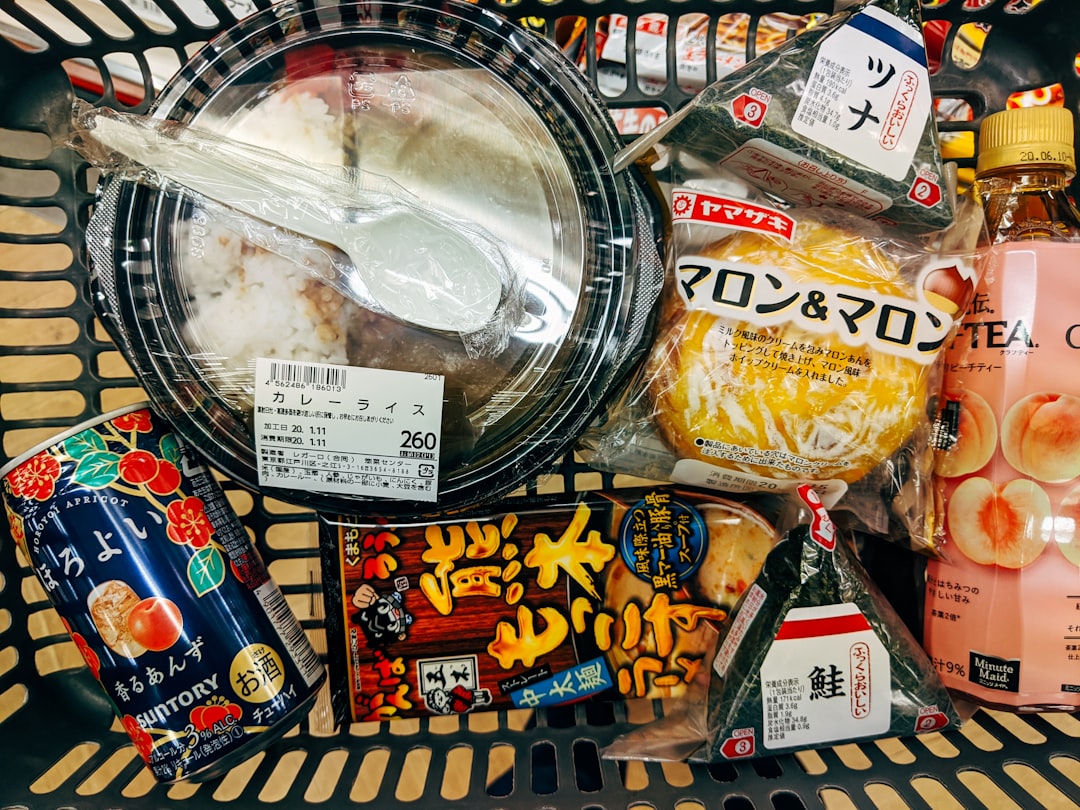
Winter is one of the smartest times to build a value-focused pantry, especially if you watch the grocery market the same way deal hunters watch weekly ads. When commodity prices soften, supermarket promotions often follow with temporary markdowns on baking staples, hot drink ingredients, and shelf-stable breakfast essentials. That makes this the perfect season to stretch your snack budget and stock up on winter pantry items that you will use all year. If you shop with a plan, a short-lived dip in sugar, cocoa, or coffee can turn into weeks of savings across your grocery specials and weekly coupons.
The opportunity is bigger than just buying “cheap stuff.” It is about recognizing how retailers react when commodity inputs cool, then using that pattern to make high-utility purchases before the next bounce. In practical terms, that means watching for bakery-basis discounts, hot cocoa multipacks, ground coffee bags, baking chocolate, dessert mixes, and other pantry deals that usually sit close to the commodity curve. For a broader savings strategy, it also helps to compare your local store data through local grocery listings and inventory messaging and the kind of deal timing logic explained in technical-signal promotion timing.
Pro Tip: The best winter pantry stock-up buys are usually not the absolute lowest sticker prices. They are the items that combine a softer commodity trend, a seasonal sales window, and a long shelf life.
Why Commodity Moves Matter for Pantry Deals
Lower input costs can trigger real grocery promotions
Retailers do not always pass commodity changes through immediately, but price pressure eventually shows up in weekly ads, loyalty specials, and private-label resets. When sugar falls, stores often sharpen prices on baking essentials, frostings, powdered drink mixes, and dessert ingredients because those categories are easy to feature in seasonal circulars. When cocoa retreats, you frequently see better offers on baking cocoa, boxed brownies, hot chocolate, chocolate chips, and holiday clearance leftovers that become pantry staples. Coffee is more complicated because roasting, packaging, and brand positioning all matter, yet even modest input relief can improve the odds of seeing larger-format bag deals, club offers, or digital coupon stacking.
The practical takeaway is simple: commodity softness creates a promotional opening, but the best savings come from matching that opening to categories with predictable demand. That is why winter pantry shopping works so well. People are already buying ingredients for baking, holiday hosting, comfort drinks, and cold-weather breakfast routines, so retailers have a natural reason to feature them. For shoppers who want to go beyond gut feel, macro indicator patterns can be surprisingly useful in understanding why promotions get more aggressive at certain times.
What the recent market backdrop suggests
Recent market reports indicate that sugar prices have been under pressure from abundant global supply, cocoa prices have been retreating on weak demand and ample supplies, and coffee has been moving more unevenly as currency shifts affect trading. That is a classic setup for a deal roundup because the price signals are not isolated; they can influence supermarket buying strategy across multiple categories at once. When one major winter pantry ingredient weakens, retailers often build themed promotions around it, and when two or three soften together, the result can be a broader basket of grocery specials. This is the kind of environment where a disciplined shopper can save more by planning than by impulse shopping.
To frame these patterns in a shopper-friendly way, think like a procurement manager rather than a casual browser. You are not asking, “What is discounted today?” You are asking, “Which items are likely to be featured because the store can afford to lean into them?” That mindset is similar to the logic behind wholesale volatility pricing playbooks and even what makes a deal truly good: the headline price matters, but so does the underlying timing.
The Best Winter Pantry Items to Stock Up On
1. Sugar and sugar-adjacent baking basics
Sugar is the foundation item in a winter pantry deal roundup because it touches so many categories. When sugar prices ease, you are likely to see promotions on granulated sugar, brown sugar, powdered sugar, baking mixes, syrup, and frosting ingredients. These items keep well, they are easy to store, and they support both holiday baking and everyday cooking. If you bake even a few times a month, buying a larger bag during a promotion can save you money well beyond the sale week.
Look beyond the obvious sugar bag, too. Pie fillings, cake mixes, cookie dough components, and pancake syrups often get pulled into the same promotional orbit. Private-label versions usually respond faster to commodity shifts than premium brands, so this is a good moment to compare store brands against name brands using your local supermarket directory. If you want a broader value lens, the same logic that helps shoppers decide best-value pantry alternatives can help you choose between pack sizes, unit costs, and brand tiers.
2. Cocoa, baking chocolate, and hot cocoa mixes
Cocoa is one of the most important winter pantry categories because it is both seasonal and emotionally driven. When cocoa futures soften, grocery stores can use hot chocolate, baking cocoa, chocolate chips, and dessert mixes to pull traffic during colder months. The strongest deal opportunities usually show up in multipacks, seasonal displays, holiday leftovers, and private-label baking aisles. A good cocoa deal is not just about the base powder; it is also about the broader basket of chocolate-related pantry items that usually move together.
For households with kids, cocoa promotions are particularly valuable because they support low-cost comfort drinks and easy dessert recipes. For bakers, lower cocoa prices can make brownie batches, cake frostings, and homemade mug desserts much cheaper per serving. To get the most value, compare unit prices carefully and watch for multi-buy thresholds that unlock a better effective cost. That same savings mindset appears in discount-roundup shopping and in festival-style essentials shopping, where the winning move is often buying the practical bundle, not the flashy single item.
3. Coffee, tea, and breakfast companions
Coffee is a bit less predictable than sugar or cocoa, but it still deserves a place in any winter pantry deal roundup. When coffee prices soften or retailers compete aggressively for morning traffic, you may see better prices on ground coffee, whole bean bags, instant coffee, pods, flavored creamers, and shelf-stable oat or dairy creamers. Stores often pair these with breakfast promotions like cereal, granola, muffin mixes, and refrigerated breakfast items because the morning basket is a major revenue driver. That means a coffee markdown can unlock several adjacent savings opportunities.
If you are trying to stock up, think about how quickly your household consumes coffee. A two-week discount is great, but only if the quantity fits your usage rate and storage conditions. Coffee is sensitive to freshness, so buying too much can backfire if it loses aroma before you use it. A smart shopper treats coffee stock-up purchases the way a buyer treats a timed promo: strong enough savings to justify extra quantity, but not so much volume that quality slips. For deal discipline, you can borrow the same framework used in weekend watchlist deal selection and apply it to your grocery cart.
4. Shelf-stable baking and dessert helpers
Once sugar and cocoa move lower, the rest of the baking aisle usually follows in some form. Flour, baking soda, baking powder, vanilla, cornstarch, gelatin, and pie crust mixes often show up in coordinated seasonal features. These are the unsung heroes of a winter pantry because they allow you to convert low-cost staples into meals and desserts with very little waste. A well-stocked pantry is not just cheaper; it is more flexible, which means fewer emergency shopping trips at full price.
This is where planning matters most. A cheaper cocoa tin is only truly valuable if you also have flour, sweeteners, and a few versatile add-ins that turn it into actual food. If you are curious about building a more resilient stock-up habit, the mindset resembles delegating household tasks without guilt: remove friction now so your future self can act quickly and calmly. Pantry planning works the same way.
How to Read Weekly Ads Like a Smart Stock-Up Shopper
Look for category clusters, not isolated discounts
A real grocery deal roundup is more than a list of items with red tags. You want to spot clusters: sugar plus cake mix, cocoa plus marshmallows, coffee plus creamer, or baking chips plus holiday foil pans. Retailers often feature coordinated categories because it increases basket size and makes the promotion easier to understand. If one item is discounted, the stores may be using it as a traffic anchor while quietly moving related products at margin-preserving prices.
That is why weekly coupons are so powerful in winter. They let you turn a decent sale into a strong basket deal, especially when digital coupons, loyalty pricing, and store-brand swaps all line up. When comparing promotions, ask three questions: Is this a seasonal feature? Is it a loss-leader or close to one? Can I combine it with a coupon or a rewards offer? The answer often determines whether you should buy one unit or stock up on several. For a broader promotional lens, see how exclusive coupon code discovery works in other categories.
Check unit price, not just headline price
In pantry shopping, the shelf tag can be misleading. A larger bag of sugar might cost more upfront but still deliver a lower cost per pound. The same is true for cocoa and coffee, where smaller “convenience” sizes often carry a premium that erases the savings from a temporary sale. Always compare the unit price in the app, on the shelf label, or in the weekly ad before you buy. If you are buying for a stock-up pantry, the best deal is usually the lowest cost per usable ounce, not the biggest percentage off.
This is especially important in items with different packaging shapes. Coffee can be sold in tins, bags, pods, or bricks; cocoa can come in baking containers or dessert kits; sugar can appear in one-, two-, and five-pound formats. The packaging changes the perceived value, but the unit price reveals the truth. In the same spirit as evaluating no-trade phone discounts, shoppers should separate the promo language from the actual economics.
Use local inventory to avoid phantom deals
One of the most frustrating deal-shopping problems is showing up for a featured item that is out of stock. For winter pantry buys, this matters because promotions can be tightly allocated and the lowest-priced sizes may disappear early. That is why local store profiles, pickup indicators, and inventory notes are so valuable. If a sugar sale looks strong but your nearest store has only one bag left, the real opportunity might be a nearby branch with deeper stock and the same digital coupon.
Before you leave home, check whether the item is available for pickup or delivery, and whether the sale applies to the exact size listed. Retailers often segment deals by size, brand family, or membership tier. A good directory can save you a wasted trip and help you compare stores in minutes. This inventory-first approach is similar to the way store listing quality affects shopper trust: accuracy is savings.
Winter Pantry Stock-Up Strategy: What to Buy, How Much, and When
Build a 30- to 90-day reserve, not a year’s worth of everything
Stocking up sounds simple, but overbuying is one of the easiest ways to waste money. The sweet spot for winter pantry deals is usually a 30- to 90-day reserve of your most-used staples. That gives you enough breathing room to wait for the next sale, without tying up too much cash or crowding storage space. Sugar can last a long time if kept dry, cocoa is relatively stable, and coffee can be stored carefully, but even shelf-stable items deserve a realistic usage plan.
Start by estimating what your household uses in a normal month. If you go through one bag of sugar every six weeks, buying two during a promotion may be enough. If your family drinks coffee daily, a multi-bag deal might make sense only if you know it will be consumed before freshness declines. The broader idea is the same as in smart purchase planning: savings are only savings if they fit your budget and usage.
Prioritize items with flexible uses
The best pantry buys are the ones that can move across recipes and routines. Sugar can sweeten tea, coffee, baking projects, and homemade syrups. Cocoa can become drinks, glazes, brownies, or breakfast toppings. Coffee can be brewed hot, chilled, used in dessert recipes, or deployed for occasional entertaining. Flexible items lower your risk because you are less likely to get bored, overbuy, or throw anything away.
This is also why the winter pantry category is so strong for deal hunters. You are not chasing novelty; you are buying ingredients with multiple jobs. If you want a model for multi-use value thinking, look at how snack buyers evaluate quality per dollar. The principle is the same: versatility multiplies savings.
Know when to pass on a deal
Not every price cut deserves a spot in your cart. Pass on a pantry deal if the size is too small, the brand is unfamiliar and the unit price is still high, or the shelf life does not match your consumption habits. Also skip “promo” items that force you to buy unrelated products you do not need. A deal that requires you to overspend on extras is not a good deal; it is a marketing trick.
That kind of discipline matters even more during seasonal shopping spikes, when stores know shoppers are already primed to buy. The best shoppers are selective, not greedy. That mindset mirrors the logic in evaluating exclusive offers: if the math is weak, walk away. Your pantry and your budget will be better off.
Comparison Table: Best Winter Pantry Stock-Up Items
| Item | Why It Gets Promoted | Best Buy Format | Shelf Life | Stock-Up Signal |
|---|---|---|---|---|
| Sugar | Lower commodity costs and baking season demand | 2- to 5-lb bags | Indefinite if kept dry | Featured in baking or holiday ads |
| Cocoa powder | Seasonal hot drink and dessert demand | Larger baking containers | Long; best within 2-3 years for flavor | Bundled with marshmallows or baking chips |
| Ground coffee | Breakfast traffic and morning basket competition | Medium or large bags | Best within weeks after opening | Digital coupon plus loyalty pricing |
| Hot cocoa mix | Winter comfort-drink merchandising | Multipacks | Often 12-24 months | Seasonal endcap clearance |
| Brownie/cake mixes | Built around sugar and cocoa promotions | Family-size boxes or value packs | Usually 12-18 months | Cross-promoted with frosting or sprinkles |
| Flour and baking basics | Basket-building around dessert and holiday cooking | Large bags when on sale | Months to a year depending on type | Paired with sugar or cocoa features |
How to Turn a Deal Roundup Into a Monthly Savings System
Create a pantry watchlist
Rather than waiting for ads to surprise you, build a watchlist of the pantry items your household uses most. Track sugar, cocoa, coffee, and related baking essentials by brand, size, and “good price” threshold. Once you know your target prices, you can recognize a real bargain instantly and avoid impulse buys. This is especially useful when promotions are scattered across different stores or loyalty programs.
A watchlist also makes it easier to compare seasons. If coffee is higher than usual but sugar and cocoa are soft, you may decide to stock up only on the latter two and wait on coffee. If you want a framework for keeping this organized, the methodology behind structured search visibility offers a useful analogy: good systems beat random effort every time.
Pair pantry deals with menu planning
The smartest stock-up shoppers do not buy ingredients in a vacuum. They connect deals to meal planning, breakfast routines, and dessert ideas. If cocoa is cheap, schedule a few hot chocolate nights, chocolate oatmeal breakfasts, or brownie weekends. If sugar is on sale, plan a baking session, preserve fruit, or make simple syrups for coffee drinks. If coffee prices soften, buy enough for your weekly routine but also consider entertaining guests or making cold brew bases.
That planning step is what turns a temporary deal into a meaningful household savings strategy. It reduces waste, increases usage, and makes the pantry feel purposeful instead of cluttered. Similar thinking appears in menu reinvention, where the best value comes from adapting ingredients to real routines.
Use coupons, cashback, and loyalty layering wisely
Weekly coupons matter most when the base price is already attractive. If a sugar bag is on feature and a store app coupon knocks a little more off, that can be the moment to buy several. The same logic applies to coffee and cocoa: one good promo is nice, but two stacked offers can turn a decent deal into a standout one. Just make sure the stack is legitimate and the final unit price remains competitive.
To improve your odds, track loyalty app offers before you shop, not after. Many grocers time digital coupons to match weekend ads, and some rotate pantry promotions in predictable waves. That is why the deal-hunting ecosystem also includes exclusive coupon code discovery and subscription-style value checks: the best savings are often hidden in the details.
Pro Tips for Winter Pantry Deal Hunters
Pro Tip: Buy the lowest-cost pantry items when the category is featured, not after the ad cycle ends. The strongest savings usually happen in the first few days of a promotion.
Pro Tip: Keep a small “winter essentials” bin at home so you can see when you are running low on sugar, cocoa, or coffee before you pay full price.
One of the easiest ways to save is to stay calm and avoid panic buying. When people run out of sugar or coffee, they are much more likely to accept a mediocre price. A small reserve changes the psychology of shopping because it gives you the freedom to wait for a better sale. That freedom is the real benefit of pantry stock-ups, not just the item itself.
Another useful tactic is to combine shelf-life awareness with store-specific deal timing. Some chains push pantry specials early in the week; others save their best digital features for weekend traffic. If you have multiple nearby stores, compare their weekly ads side by side and prioritize the one with the strongest unit price plus the most reliable inventory. This is where a centralized directory can save both time and money.
FAQ: Winter Pantry Deals, Sugar, Cocoa, and Coffee
How do I know if a pantry deal is actually worth it?
Check the unit price, compare similar sizes, and make sure the item fits your usage rate. A true deal should save you money versus your normal purchase pattern, not just look dramatic on the shelf tag.
Should I stock up on coffee when prices dip?
Yes, but only to the point where you can use it while it still tastes fresh. Coffee is more sensitive than sugar or cocoa, so a moderate stock-up usually makes more sense than a huge one.
Which winter pantry items have the best shelf life?
Sugar and many baking staples keep extremely well if stored properly. Cocoa powder also stores nicely, while coffee should be used more quickly after opening for best flavor.
Are store brands worth buying during pantry sales?
Often yes. Private-label sugar, cocoa, and coffee can be a strong value when featured in weekly specials, especially if the unit price is clearly below the national brand.
What if I miss the sale week?
Do not force a purchase at a weak price. Add the item to your watchlist and wait for the next cycle, because winter pantry promotions usually repeat.
How many pantry items should I stock up on at once?
Focus on your highest-use items and aim for a 30- to 90-day reserve. That keeps savings meaningful without overfilling cabinets or freezing cash flow.
Final Take: Shop the Soft Commodity Moment, Not the Hype
Winter pantry shopping works best when you treat commodity softness as a signal, not a guarantee. Sugar, cocoa, and coffee can all create excellent stock-up opportunities, but the real savings come from combining market awareness with weekly coupons, store inventory checks, and disciplined unit-price comparisons. If you do that well, you can turn ordinary grocery trips into a strategic deal roundup that lowers your food costs for weeks or even months.
In other words, the goal is not to buy more. The goal is to buy smarter. When the market gives you a window, use it to fill your pantry with the items you already rely on, then let your future shopping be easier, faster, and cheaper. For more savings strategies, explore budget grocery planning, local inventory insights, and deal-watchlist tactics that help you act at the right time.
Related Reading
- How New Meat Waste Rules Impact Local Grocery Listings and Inventory Messaging - A useful look at how store listings can improve shopping accuracy and planning.
- Borrowing Traders’ Tools: Using Technical Signals to Time Promotions and Inventory Buys - Learn how timing frameworks can sharpen your grocery deal strategy.
- Stretch Your Snack Budget: Finding Quality Picks in Today’s Grocery Landscape - Practical advice for maximizing value across everyday grocery categories.
- Amazon Weekend Watchlist: The Most Worthwhile Deals for Gamers, Collectors, and Gift Shoppers - A strong example of how to evaluate real deals versus marketing noise.
- Why Niche Creators Are the New Secret for Exclusive Coupon Codes (And How to Find Them) - A helpful guide for uncovering extra savings beyond the shelf tag.