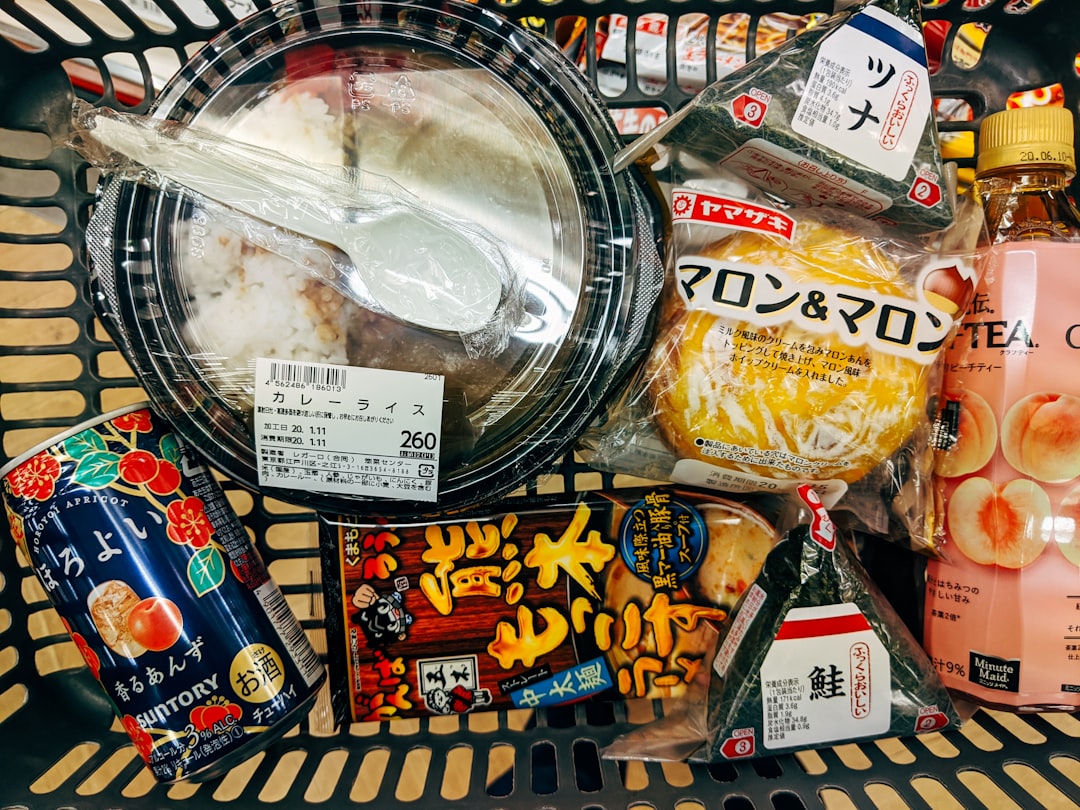
If your grocery bill feels higher even when your shopping list looks the same, you are not imagining it. Grocery inflation is not driven by one single factor; it is the result of several cost drivers stacking on top of each other before products ever reach the shelf. Energy costs, tariffs, commodity markets, weather shocks, transportation, labor, packaging, and supply chain disruptions all influence supermarket prices in ways that are easy to miss when you are only looking at the final shelf tag. For shoppers trying to stretch every dollar, understanding these forces can make budget planning much smarter, especially when paired with tools like our guide to where to find the best value meals as grocery prices stay high and our overview of navigating grocery costs with local deals.
One useful way to think about food prices is this: the supermarket shelf is the last stop in a long chain of decisions and disruptions. A carton of eggs, a bag of coffee, or a bottle of orange juice is not just priced by what it costs to grow or manufacture. It is also shaped by fuel for farm equipment, electricity for processing plants, ocean freight rates, port delays, exchange rates, packaging materials, and retailer margin pressure. That is why the same shopper may see butter, chocolate, coffee, milk, and orange juice all move in the same direction at once, even though those products come from very different supply chains. In other words, grocery inflation behaves less like a simple price increase and more like a relay race of cost pass-throughs.
This article breaks down the hidden mechanics behind those increases and explains what shoppers can do about them. You will learn how commodity markets feed into everyday staples, why energy shocks can ripple from farm to freezer aisle, how tariffs and trade policy change landed cost, and how supply chain bottlenecks can keep prices elevated long after the original shock has faded. We will also connect these trends to practical meal planning and shopping strategies so you can protect your budget without sacrificing nutrition or convenience. If you want to compare store offerings before you head out, keep our grocery savings guide and value meal directory handy.
1. How a Grocery Item Becomes More Expensive Before It Reaches the Shelf
Farm or factory costs are only the starting point
Most shoppers assume a product’s price starts with production and ends with a markup. In reality, there are many layers between raw output and retail shelf price. For a food item, those layers typically include agricultural inputs, processing, storage, packaging, transport, wholesale distribution, and retailer pricing strategy. Each of those layers can be affected by separate market forces, which is why a product can become more expensive even if the farmgate price itself has not risen dramatically. This matters because people often look for a single culprit, when the real answer is usually a stack of modest increases that compound over time.
Take a staple like milk. Dairy farms need feed, electricity, diesel, refrigeration, labor, and reliable transport. A plant that pasteurizes and bottles milk needs additional power, packaging, maintenance, and compliance costs. Then a distributor needs trucking capacity, fuel, and warehouse space. Finally, the retailer must manage shrink, inventory, promotions, and in-store labor. If any one of those links becomes more expensive, the final consumer price may rise; if several rise at once, the shelf tag can jump quickly. That is why saving on staples often means monitoring categories, not just individual products.
Retailers pass along costs with a delay, not instantly
One reason shoppers feel blindsided is that grocery stores do not always change prices the same day costs rise. Many retailers use contracts, inventory buffers, and promotion calendars, which means the effects of a commodity shock or freight spike can appear weeks or even months later. The delay can make inflation feel mysterious because consumers see the increase after the original event is already out of the news cycle. But the lag is part of why budgeting can become harder: the household is adjusting to last month’s price shock while the market is already reacting to the next one.
That lag is also why shoppers should watch category trends rather than one-off deals. A good promotion on canned tomatoes may not help much if pasta, cheese, and olive oil are all in the middle of a broader cost upswing. Better planning comes from understanding which items are volatile and which are relatively stable, then building your meal rotation around that reality. If you are assembling a recurring shopping plan, use our best value meals guide as a reference point.
In-store prices reflect both cost and strategy
Not every price increase is purely a cost pass-through. Supermarkets also manage pricing strategically to protect margins, reduce waste, or reposition categories after a product becomes a traffic driver. Some items stay competitively priced because shoppers notice them most, while others quietly absorb more of the cost burden. That is one reason two stores can charge different prices for the same staple even when their wholesale input costs are similar. If you want to see how this works in practice, a shopper comparison mindset helps, much like using a product scanner or weekly ad aggregator before committing to a cart.
For a broader shopping framework, our coverage of local deal hunting and value meal planning can help you spot when an item is genuinely discounted versus just “less expensive than the current high.”
2. Energy Costs: The Hidden Engine Behind Food Inflation
Why fuel and electricity touch nearly every aisle
Energy costs affect groceries far beyond the gas pump. Farms rely on diesel for tractors, irrigation pumps, and harvest machinery. Food processors use large amounts of electricity and heat for pasteurization, drying, milling, freezing, and refrigeration. Warehouses depend on climate control and cold storage. Delivery fleets burn fuel every time products move between facilities or stores. If energy becomes more expensive, each stage in the chain gets costlier, and those costs eventually show up in grocery inflation.
That is one reason a conflict that disrupts global energy markets can matter to a charity food distributor, a local store, and a household on the same week. A BBC report on the Felix Project highlighted how higher energy prices can squeeze organizations already under pressure, which is a reminder that food affordability is not just a shopper issue but a system-wide one. When logistics and storage become pricier, the impact is especially visible in refrigerated and frozen foods. Fresh produce, dairy, and meat are all more vulnerable because they require constant temperature control.
Cold-chain products are especially sensitive
Items like butter, milk, yogurt, frozen vegetables, ice cream, and meat are expensive to move and store because they depend on a cold chain. Every added hour in storage or transport means more electricity, more refrigeration, and more risk of spoilage. Even a modest increase in power prices can raise unit economics for these items disproportionately. That is why everyday staples in the dairy case or freezer aisle can rise sharply during periods of energy stress.
Shoppers often notice this first in products that feel ordinary, like a block of butter or a bottle of orange juice. A recent BBC feature on the “£5.30 orange juice” captured how one common staple can reveal a bigger story about supermarket prices. Orange juice is influenced by crop availability, processing, storage, shipping, and refrigeration, so it becomes a useful case study for understanding why shelf prices can climb faster than many people expect.
Energy volatility can outlast the original shock
The tricky part is that energy-driven grocery inflation does not always retreat quickly. If processors lock in higher utility bills, transport contracts, or financing costs, the elevated expense can linger. Even when fuel prices ease somewhat, the system often adjusts slowly because businesses are still clearing old inventory purchased at higher input levels. This creates a “sticky” inflation effect, where the biggest spikes may be over but prices remain high.
Pro tip: If your budget is tight, prioritize shelf-stable staples when energy markets are volatile, and buy refrigerated and frozen items only when the price per unit is clearly favorable.
For broader value hunting, compare promotions using our local grocery deal guide and watch for store-specific bargains that offset the energy-driven pressure in dairy, meat, and frozen aisles.
3. Tariffs and Trade Policy: The Cost You Don’t See on the Receipt
Imported ingredients can carry hidden border costs
Tariffs are taxes on imported goods, and even when they do not apply directly to a finished food item, they can still affect the cost of ingredients, packaging, machinery, and transport inputs. Grocery shelves are full of globally sourced products, from coffee and cocoa to spices, tomato paste, canned seafood, and specialty oils. If a tariff raises the price of one part of that chain, manufacturers often spread the cost across the final product. That means shoppers may pay more for items that appear “local” simply because one or more inputs were imported.
Trade policy can also create uncertainty, which is itself costly. If companies expect tariffs to change, they may accelerate imports, alter sourcing plans, or hold more inventory as a buffer. Those decisions increase storage, financing, and logistics costs. In grocery, uncertainty is often as expensive as the tariff itself because food supply chains are optimized for speed and thin margins. Even small policy changes can therefore ripple across supermarket prices much faster than consumers realize.
Tariffs often hit processed foods indirectly
Processed foods are especially exposed because they combine many inputs from different origins. A chocolate bar may rely on cocoa, sugar, milk solids, packaging film, and shipping containers. A jar of pasta sauce may depend on tomatoes, oil, herbs, glass, labels, and import-dependent equipment. If trade barriers affect just one of those components, the finished item can still rise in price. That is why shoppers frequently see price pressure across “everyday” branded items with long ingredient lists.
This is also where budget planning benefits from flexibility. If imported items rise in price, switching to store-brand alternatives, seasonal substitutes, or simpler recipes can preserve value without sacrificing meals. For help designing lower-cost meals around this reality, check our best value meals guide. A flexible pantry is one of the best defenses against tariff shocks because it lets you pivot to whichever ingredients are least exposed in a given month.
Why trade shocks can reshape aisle pricing patterns
When tariffs or other trade restrictions change, the effects are not evenly distributed across the store. Imported cheese, coffee, olive oil, specialty grains, and tropical fruits may move first, while domestically sourced vegetables may lag. But once retailers see consumers trading down, they often rework pricing in adjacent categories too. For example, if premium imported pasta gets more expensive, shoppers may shift to another pasta brand, which puts pressure on the value tier and can reduce promotional depth there as well.
That is why shopping strategy matters. You are not just reacting to prices; you are reacting to the market logic behind them. This is one reason our readers use comparison tools and store directories before a big shopping trip, especially when they want to know which stores have the deepest promotions on imported pantry staples.
4. Commodity Markets: The Volatile Heartbeat of Food Prices
How futures prices become shelf prices
Commodity markets set the tone for many grocery categories. Wheat, corn, soybeans, sugar, coffee, cocoa, dairy, beef, pork, and cooking oils all trade in markets that respond to weather, geopolitics, inventories, speculation, and macroeconomic expectations. Manufacturers buy those commodities, or products made from them, and then price goods according to expected replacement cost. That means your cereal, bread, chocolate, and bacon can move because commodity traders anticipate a supply squeeze months before the retail shelf changes.
Recent market coverage has underscored how livestock prices can move too. Nasdaq reporting on lean hog futures showed changes in national base hog prices and contract activity, which illustrates that meat costs are not fixed simply because the product looks identical on the shelf. Pork prices are shaped by feed costs, herd size, disease risk, export demand, and futures sentiment. Once those inputs shift, retailers and processors eventually adjust pricing, and that can change the cost of bacon, sausage, ham, and deli meats.
Weather shocks are a commodity story, not just a farm story
Bad weather does not only affect crops directly; it can also disrupt transport, storage, and feed supply. Droughts can reduce yields for corn and soybeans, pushing up feed costs for poultry, dairy, pork, and beef. Frost, heat, and flooding can damage fruit crops or reduce harvest quality, which raises sorting and waste costs. In this sense, a weather event in one part of the world can affect a grocery aisle thousands of miles away because commodity markets immediately price in expected shortages.
This is why the same shopping basket can get more expensive across many categories at once. Coffee, chocolate, butter, and orange juice may all rise in a similar period even though their production systems are different. The common thread is that each item has a commodity layer that reacts to supply shocks, and those shocks can come from climate, conflict, labor shortages, or logistics breakdowns. For a practical response, shoppers should use recipe flexibility and seasonal substitution rather than assuming a favorite item will remain affordable indefinitely.
Commodity swings create visible “basket inflation”
When commodity markets are volatile, the entire shopping basket can seem to drift upward. That is because multiple staples tend to be exposed at the same time: bread ingredients, breakfast items, snack ingredients, cooking fats, and proteins. Even if one category cools temporarily, another may rise, keeping the overall bill high. This is why grocery inflation often feels persistent even when headline inflation slows.
To plan around this, build meals around the cheapest reliable anchors. Rice, oats, beans, eggs, pasta, potatoes, and cabbage often provide more pricing stability than heavily processed convenience items or imported specialty goods. That strategy pairs well with our meal-value guide, which helps shoppers turn market volatility into a reason for smarter menu planning rather than panic buying.
5. Supply Chain Friction: Why Delays Turn Into Higher Prices
Inventory buffers and rerouting are expensive
Supply chain problems do not always create empty shelves, but they almost always create higher costs. When shipments are delayed, businesses add safety stock, reroute freight, pay higher spot-market rates, or use less efficient carriers. Each workaround costs money. If a product is highly perishable, the added expense is even sharper because delays increase spoilage and shrink.
That is why supply chain disruptions can keep prices elevated long after the headline event is gone. A port slowdown, shipping insurance spike, or regional transport bottleneck may seem temporary, but businesses often respond by building a more expensive operating model. Those costs become embedded in the next pricing cycle. In grocery, this is particularly visible for imported foods, frozen goods, and items with complex multi-step processing.
Packaging and materials can quietly push prices up
Packaging is one of the most overlooked cost drivers in food retail. Glass, aluminum, paperboard, plastic film, labels, and inks all have their own commodity-like pricing dynamics. If packaging costs rise, manufacturers may either absorb some margin pressure or increase the retail price. In many cases, they do both: shrink package sizes while keeping the price similar, a phenomenon shoppers experience as shrinkflation.
This is why careful unit-price comparison is so important. A product may appear unchanged on the shelf, but the ounces or count per package may have shifted. The best defense is reading unit pricing and comparing across brands, not just scanning the headline shelf tag. When you combine that habit with store-level deal comparison, you are far less likely to overpay for “silent” packaging-driven price increases.
Labor shortages and warehouse bottlenecks also matter
Even when goods are available, the people moving them are part of the cost structure. Warehouses, truck fleets, distribution centers, and stores all rely on labor to function efficiently. If wages rise, staffing becomes difficult, or turnover increases, grocery operations become less efficient. Less efficiency means more cost per item delivered or stocked, and that often shows up in pricing or fewer promotions.
For shoppers, the lesson is simple: if a category is repeatedly on sale in one store but not another, labor and logistics realities may be part of why. Stores with stronger supply chains, better inventory systems, or more efficient distribution networks may maintain lower promotional prices more consistently. This is where centralized directories and local store information become practical money-saving tools, not just convenience features.
6. The Staples Most Likely to Move First
Why dairy, coffee, chocolate, and oils are so sensitive
Some products are consistently more volatile because they sit at the intersection of commodity markets, energy costs, and weather risk. Coffee and cocoa are classic examples because they depend on specific growing regions and long international supply lines. Dairy products are exposed to feed, fuel, and cold-chain costs. Cooking oils reflect crop yields, biofuel demand, and processing margins. These categories often lead headline grocery inflation because they are vulnerable to more than one cost driver at the same time.
Orange juice is another good example. The BBC’s story about the expensive orange juice carton is telling because juice pricing reflects agriculture, processing, storage, and retail economics all at once. When a product seems like a simple breakfast staple but carries a premium price, it usually means multiple systems are under strain. For shoppers, these items are worth monitoring closely because they are more likely to surprise you month to month.
Meat prices are influenced by feed and herd cycles
Meat is often one of the biggest line items in the shopping basket, and it can be heavily influenced by feed prices, animal health, and herd rebuilding cycles. Pork prices, for instance, respond to futures expectations, hog supplies, export demand, and processing capacity. Beef is even slower to adjust because cattle cycles take time to rebuild. That means high prices can persist after the original cause has changed, simply because biological supply cannot react instantly.
If protein prices are squeezing your budget, rotate toward lower-cost options strategically rather than cutting nutrition broadly. Eggs, beans, lentils, canned fish, chicken thighs, and tofu often provide better value than premium cuts or highly processed meat products. If you want to locate budget-friendly prepared options or meal ideas, use our value meals resource alongside weekly ad comparisons.
Processed breakfast and snack items can be “price amplifiers”
Products like cereal, granola bars, chocolate spreads, and flavored yogurt can magnify multiple cost pressures because they combine several ingredients and packaging layers. If one input rises, the manufacturer may still need to maintain margins while distributing the cost across a smaller package. That is why some processed items seem to rise faster than the raw ingredient itself. They are not just made of food; they are made of logistics, branding, and shelf-space economics.
When budgets are tight, it is often more cost-effective to replace these “price amplifiers” with simpler staples. Oats, plain yogurt, fruit, and homemade snacks usually provide better value per serving. Meal planning built on simpler ingredients is one of the strongest responses to grocery inflation because it reduces your exposure to branded packaging and multi-ingredient markups.
7. How to Budget When Grocery Inflation Won’t Wait
Use category-level planning, not item-level hoping
Budget planning works best when you assume some categories will stay elevated. Rather than hoping your favorite brand will go on sale, create a core pantry around low-cost, versatile items and then use weekly promotions to fill gaps. This makes your meal plan resilient to sudden changes in supermarket prices. It also reduces the temptation to overpay because you “need something tonight.”
Think in terms of meal formulas. Grain plus protein plus vegetable is often cheaper than a rigid recipe that depends on one specific brand or imported ingredient. If beef rises sharply, switch to chicken, beans, or eggs. If cereal prices climb, use oats. If orange juice jumps, try seasonal fruit or store-brand juice when it is actually on promotion. These substitutions keep nutrition intact while lowering exposure to the most volatile cost drivers.
Shop the sale cycle, not the panic cycle
One of the biggest budgeting mistakes is buying out of fear. When consumers hear about tariff hikes, energy shocks, or commodity spikes, they often rush to stockpile everything. That can help for truly shelf-stable essentials, but it can also cause waste and lock you into inflated prices for items that later normalize. Better to track regular sale cycles and know which products cycle down predictably.
Use a comparison mindset similar to the one shoppers use for other categories, like internet deal comparison tools or lower-cost product alternatives. The same logic applies to groceries: compare, don’t assume. That habit can save more over a year than chasing a few dramatic but inconsistent promotions.
Track unit prices and package sizes carefully
Unit price is the single most useful number for grocery shoppers facing inflation. A bigger package is not automatically a better deal, and a sale price is not always low relative to the unit cost. Shrinkflation can make a familiar package look affordable when it is actually more expensive per ounce than a rival brand. In a high-inflation environment, reading the unit price is one of the fastest ways to spot hidden cost increases.
It also helps to maintain a personal price book for your top 20 household items. Even a simple notes app can reveal whether eggs, bread, milk, pasta, or coffee are genuinely below normal or just temporarily “less high.” That knowledge makes it easier to shop with confidence and avoid emotional overbuying.
| Staple food | Main cost drivers | Why price moves fast | Budget-friendly substitution |
|---|---|---|---|
| Milk | Feed, fuel, refrigeration, labor | Cold chain and dairy processing are energy-intensive | Store-brand milk, powdered milk, or smaller pack size |
| Coffee | Commodity markets, weather, shipping | Imported supply and weather shocks affect futures quickly | Switch blends, buy larger bags on sale, or brew at home |
| Orange juice | Crop yields, processing, storage, transport | Perishable and globally exposed supply chain | Seasonal fruit, frozen concentrate, or water with breakfast |
| Pork | Feed, herd size, processing, exports | Biological supply cycles respond slowly | Chicken thighs, beans, eggs, or tofu |
| Chocolate | Cocoa commodities, energy, packaging | Multiple imported inputs plus manufacturing costs | Use smaller portions, alternative desserts, or sale-only buying |
8. What Shoppers Can Do Right Now
Build a flexible, low-cost pantry
A flexible pantry is your best hedge against grocery inflation. The core idea is to keep affordable, versatile ingredients on hand so you can cook around the market instead of against it. Rice, oats, pasta, beans, lentils, canned tomatoes, frozen vegetables, potatoes, peanut butter, and basic seasonings can support many meals at low cost. When prices spike in one category, you can pivot without having to redesign your whole eating pattern.
This approach also makes it easier to use weekly ads effectively. You are not shopping for every ingredient from scratch; you are shopping for discounts that complement the pantry you already maintain. If the best deal this week is chicken, build meals around chicken. If canned tuna is on sale, shift to tuna pasta or tuna rice bowls. This is the kind of practical adaptation that beats price anxiety.
Focus on store overlap and local availability
Not all stores experience price changes at the same pace. One supermarket may still be clearing old inventory while another has already repriced. One store may have better bulk buying power or more aggressive promotional strategy. That is why comparing nearby stores can reveal real savings, especially on staples that are sensitive to commodity and energy costs. When local inventory is tight, it can also be worth checking which stores actually have the item in stock before driving across town.
Our directory approach is designed for exactly that problem: find the store, compare the deal, and avoid overpaying because you were shopping blind. Pair that with the broader advice in how to save big with local deals, and you turn price volatility into an advantage instead of a setback.
Think in meals, not just in products
The smartest response to grocery price pressure is meal-level planning. Instead of asking whether a single item is expensive, ask what the total meal costs per serving and whether there is a cheaper substitute. A breakfast of eggs and oats may beat a branded cereal-and-juice combo by a wide margin. A dinner of bean chili may outperform a meat-heavy casserole when beef and cheese prices are elevated. That mindset keeps your nutrition strong while reducing exposure to volatile categories.
Meal planning also reduces waste, which is an underappreciated inflation defense. If you use what you buy, you effectively lower the price of each consumed serving. That makes a difference in a period when every discarded ounce is wasted money.
9. FAQ: Grocery Inflation and Shelf Price Drivers
Why do grocery prices rise even when I hear inflation is cooling?
Because grocery prices usually move with a delay. Retailers may still be selling inventory purchased at higher costs, and some categories remain elevated due to commodity markets, energy, or supply chain friction even after broader inflation cools.
Which food categories are most sensitive to energy costs?
Dairy, frozen foods, meat, and refrigerated prepared foods are especially sensitive because they require electricity, cooling, and transport throughout the supply chain.
Do tariffs really affect everyday groceries?
Yes. Tariffs can affect imported ingredients, packaging, equipment, and shipping inputs. Even domestic products may rise if one of their components is imported and taxed.
Why do some brands jump in price faster than others?
Brands with more imported inputs, more packaging, or less supply chain flexibility often pass through costs faster. Premium and processed products can be especially exposed.
What is the best way to save when staple foods keep rising?
Track unit prices, buy flexible ingredients, plan meals around low-cost anchors, compare stores, and use weekly ads for categories that are actually discounted rather than just less expensive than last week.
How can I tell if a deal is real?
Compare the unit price, package size, and regular price history if you can. A sale is only good if the per-ounce or per-serving cost beats your usual alternatives.
10. Bottom Line: Understanding the System Helps You Shop Smarter
Grocery inflation is frustrating because it feels personal, but the forces behind it are systemic. Energy costs push up processing, refrigeration, and transport. Tariffs alter the cost of ingredients and packaging. Commodity markets reset expectations for staples before shoppers ever see the change. Supply chain disruptions, labor constraints, and packaging costs add further pressure until the shelf tag reflects a whole chain of risks rather than a single event. Once you see how these forces connect, supermarket prices become easier to interpret.
The good news is that shoppers are not powerless. You can reduce exposure by using flexible meal planning, comparing stores, watching unit prices, and buying around the market instead of chasing it. You can also make better use of local promotions when a category is temporarily cheap. For a practical next step, combine this guide with our directory resources on value meals and local grocery deals.
Related Reading
- Where to Find the Best Value Meals as Grocery Prices Stay High - Practical meal ideas when prices are rising across the store.
- Navigating Grocery Costs: How to Save Big with Local Deals - A shopper-first guide to finding savings fast.
- Boston's Internet Providers: Finding the Best Deals with Comparison Tools - A useful comparison-model case study for smarter shopping habits.
- Best Alternatives to Ring Doorbells That Cost Less in 2026 - See how substitution strategies can protect your budget.
- How to Spot a Real Easter Deal: A Savvy Shopper’s Mini Value Guide - Learn how to separate real savings from marketing noise.