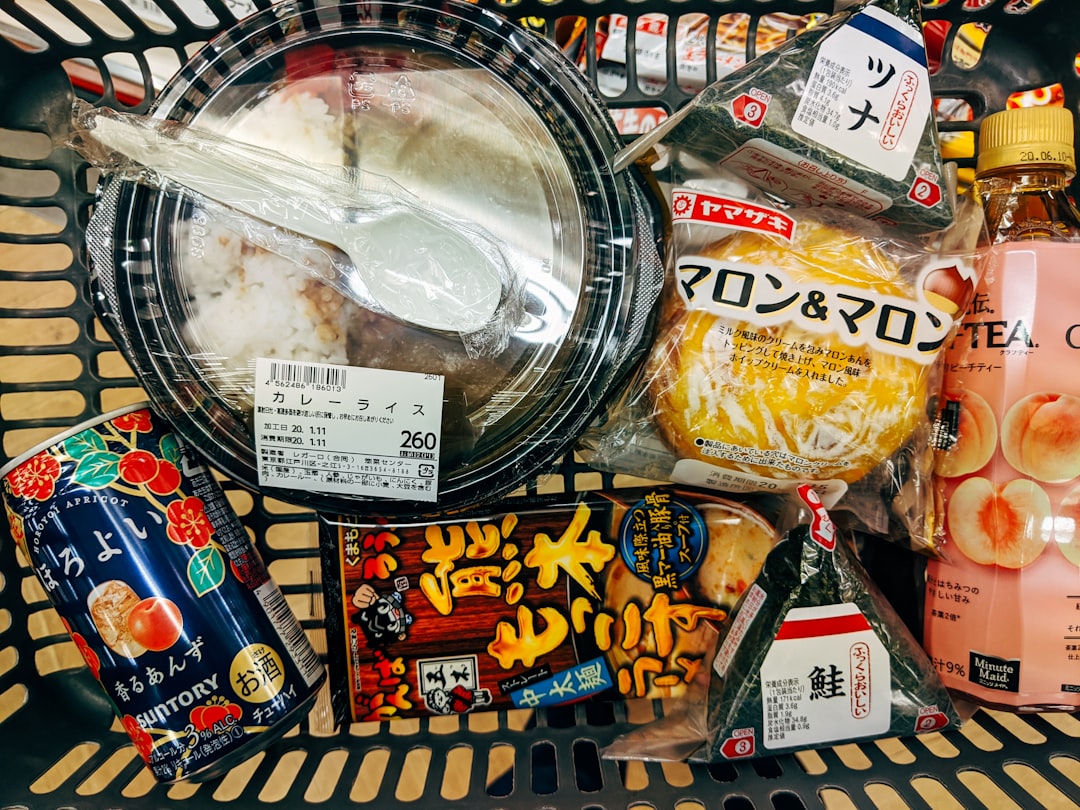
If you shop with a budget-first mindset, the real question is not just which supermarket chain is cheapest, but which chains adjust fastest when commodity costs fall. A smart grocery comparison starts with store profiles, weekly pricing behavior, and a simple way to see whether a chain shares savings quickly or keeps margins steady. That matters because commodity markets move in waves, but shelf prices often move on a delay, and the delay is different at every chain. When shoppers understand those patterns, they can time their trips, switch stores for specific categories, and use mobile savings tools to catch the best local deals before they disappear.
This guide is built for value shoppers who want a practical framework for checking local grocery stores, comparing supermarket chains, and tracking whether falling commodity prices are actually reaching the shelf. We’ll use recent market signals from corn, sugar, cocoa, wheat, coffee, and crude oil as the backdrop, then translate those changes into a store-level price check you can use in the real world. Along the way, we’ll connect the dots to store directories, weekly ads, pricing discipline, and the kinds of category-level moves that typically show up in the aisles. If you also want a smarter trip plan, our guide on shopping efficiently in downtown areas pairs well with this framework.
1. Why commodity prices matter, but not in the way most shoppers expect
The shelf price lag is real
Commodity markets can drop quickly, but retail prices rarely change overnight. A chain usually waits to see whether the move is temporary, how its contracts are structured, and whether competitors are likely to follow. That means the most aggressive value chains often look “late” by a few weeks, while some steadier-priced chains may never fully pass the savings through at all. The important insight is that a commodity drop is a signal, not a guarantee, and your local price check needs to measure the lag as much as the headline price.
Different categories move at different speeds
Not every product responds the same way. Fresh bakery items tied to wheat may be more likely to adjust in cycles, while packaged snacks may hold steady until the next planogram reset or vendor negotiation. Beverages tied to sugar, coffee, or energy inputs can move differently again, especially if a chain uses private label sourcing. For shoppers, that means the best savings strategy is category-specific: compare cereals, baking staples, coffee, soda, and household basics separately instead of assuming the whole store will react the same way.
What the latest commodity signals suggest
Recent market reports show a mixed picture: corn rallied after export demand surged, sugar prices slid on abundant global supply, cocoa fell sharply on slack demand and ample supply, wheat added premium on bullish trading, coffee gained as the dollar weakened, and crude oil rose on geopolitical risk and currency weakness. Those are the types of moves that eventually show up in retail pricing, but not equally. Store brands and high-volume chains usually respond first to inputs tied to private label manufacturing and promotional planning, while regional chains may keep prices steadier for longer. For the market context behind these shifts, see the broader commodity coverage in our finance-adjacent reading habit of tracking the real price of inputs, similar to how travelers monitor fuel surcharges and hidden cost drivers.
2. The local-store comparison framework: how to tell who shares savings fastest
Step 1: Build a category basket
Do not compare entire carts first. Start with a repeatable basket of ten to fifteen items that reflect commodity exposure: bread, pasta, flour, sugar, cereal, coffee, chocolate snacks, cooking oil, canned goods, soda, and a few frozen or packaged staples. Use the same basket at every local grocery store you visit, and note the regular shelf price, the weekly ad price, and any loyalty price. This gives you a consistent baseline that is far more useful than a one-time “good deal” observation.
Step 2: Separate permanent price cuts from short-term promotions
A supermarket chain that truly passes savings quickly will often change the everyday shelf price, not just the weekly ad. A chain that relies on promotions may advertise a low price for a few days while keeping the base price high. The difference matters because shoppers who miss the ad window may think the chain is cheap when it is only temporarily discounted. If you use a store directory and weekly ad tracker from a site like supermarkets.link, you can compare both the advertised price and the background price behavior instead of being fooled by a single sale cycle.
Step 3: Score the lag
Here is the simplest rule: after a significant commodity drop, check the shelf price at one week, two weeks, and four weeks. If the chain cuts the price at the first or second check, it is a fast pass-through retailer. If the chain waits until the next circular reset or refuses to change the price at all, it is a slower pass-through retailer. That lag is often where the real value difference lives, especially for value shoppers who buy the same essentials every week. For more guidance on structured price analysis, the approach is similar to how savvy shoppers evaluate marketplace backend deal behavior rather than just headline discounts.
3. Which chains tend to pass commodity savings fastest?
Fast-pass chains: discount and high-volume operators
In many markets, the fastest chains are the ones built around high sales velocity, private label penetration, and narrow margins. These operators usually react quickly when a commodity-linked input falls because they need to stay competitive on everyday essentials. They also tend to use aggressive weekly pricing to protect traffic, which can make their ads more responsive than those of premium grocers. For shoppers, these chains are often the best bet when you want quick relief on core staples after a market drop.
Middle-pass chains: competitive regional supermarkets
Regional supermarket chains often sit in the middle. They may pass through savings on visible staples like bread, milk, eggs, coffee, and sugar, but hold firmer pricing on prepared foods or specialty items. This is especially true when they compete strongly on convenience, deli, and service rather than pure price. If a chain has strong local competition, its store profiles may show a more active weekly pricing rhythm, which can make it a surprisingly good value even if it is not the cheapest on every item.
Slow-pass chains: premium and service-led retailers
Premium-oriented chains tend to keep prices steadier. That does not always mean they are overpriced; it often means they rely more on service, assortment, and freshness than on rapid commodity pass-through. They may soften the blow on some items through loyalty deals, but base price changes can be slower and less obvious. If your priority is maximum immediate savings, these stores are usually better for selective shopping than for full-basket trips.
4. A practical table for comparing local grocery store pricing behavior
The table below shows how different supermarket profiles typically behave when commodity costs move. It is not a universal ranking because local market competition matters, but it gives you a realistic framework for your own price check. Use it alongside store directories, weekly ads, and in-person shelf scans. A chain’s response speed often matters more than its brand reputation.
| Store profile type | Typical price reaction speed | Best categories for savings | What shoppers should watch | Value shopper verdict |
|---|---|---|---|---|
| Hard discount chain | Fast | Staples, pantry goods, private label | Frequent weekly pricing resets | Usually strongest pass-through |
| Mass-market supermarket | Moderate | Bread, dairy, cereal, soda | Mix of shelf cuts and ad-only deals | Good balance of speed and selection |
| Regional neighborhood chain | Moderate to slow | Local staples, deli promos, seasonal items | Price varies by neighborhood competition | Worth checking against nearby competitors |
| Premium grocer | Slow | Selective produce and specialty promotions | High loyalty dependence, less base-price movement | Best for targeted deals, not full carts |
| Warehouse-style grocer | Moderate | Bulk pantry items, beverages, snacks | Pack-size changes can mask true price | Excellent if unit pricing is checked carefully |
When you compare chains this way, you are not just asking which store is “cheap.” You are asking which store has a pricing policy that actually tracks commodity reality. That distinction helps you avoid misleading promotions and focus on stores that consistently give back savings when input costs fall. For shoppers who plan in bulk or around events, this is similar to how smart consumers compare budget event planning options by total cost rather than sticker price alone.
5. How commodity shifts show up in the aisles
Corn and wheat affect everyday pantry staples
Corn and wheat matter because they influence bread, cereal, baked goods, snack foods, and many processed items. When corn rallies because export demand is strong, retailers may become cautious about lowering prices in cereal, sweeteners, and snack categories, even if one month looks favorable. Wheat rallies can have a similar effect on bakery and pasta pricing, especially if manufacturers lock in forward contracts. If your store is quick to pass along savings, you should see the first signs in private label bread, store-brand crackers, and family-size cereal.
Sugar and cocoa affect treats and beverages
Sugar prices sliding on abundant supply may eventually help with soda, candy, baking products, and dessert items. Cocoa, however, can be more complicated because a steep drop in futures does not automatically trigger equally steep retail markdowns, especially on branded chocolate. Still, faster-reacting chains may use these cost declines to run visible promotions on store-brand cookies, brownies, chocolate bars, and holiday baking kits. That makes candy aisles and baking shelves an excellent place to test whether a chain is really moving quickly.
Coffee and crude oil influence the hidden cost stack
Coffee is one of the clearest examples of global market pricing meeting local shelf pricing. If coffee futures rise, many chains will protect margin almost immediately; if they fall, some retailers still wait to see whether the move is temporary before lowering shelf tags. Crude oil is different because it affects transportation, packaging, and broader logistics, which can create a slower but wider ripple effect across groceries. If you want to understand why prices do not always drop as fast as commodity charts suggest, look at the broader chain of sourcing, freight, and vendor contracts, much like how readers studying the nutrition supply chain learn that ingredient movement is only one part of the final price.
6. How to read weekly ads without getting fooled
Ad price versus shelf price
Many shoppers think the weekly ad tells the full story, but the ad only shows what the store wants you to notice. A fast-pass chain may cut its shelf price and advertise the reduction, while a slower chain may keep the shelf high and use an eye-catching promotion to simulate value. That is why you should scan the aisle tag, check the unit price, and compare against the app or circular before assuming the deal is real. A strong local directory helps you see whether the advertised price is actually synchronized with the store’s everyday pricing.
Loyalty pricing and digital coupons
Loyalty programs can obscure the true speed of pass-through. A chain may lower the member price quickly while keeping the non-member price elevated, which makes the store appear more competitive than it is for casual shoppers. For that reason, you should track both prices if you shop there often enough to qualify. Digital coupons are useful, but they are not the same as structural price drops, and a store that leans too hard on coupons may simply be delaying real price cuts.
Pack size and unit-price traps
Sometimes the “savings” happen because the package got smaller. That means the unit price can stay flat or even rise while the shelf price looks unchanged. This is common in snacks, coffee, cereal, and frozen items, which are all categories tied to commodity movements in one way or another. If you compare stores carefully, you’ll spot whether a chain truly passed savings through or just adjusted packaging. For a deeper consumer lens on deal spotting, it helps to think like someone comparing bundled offers and real discounts rather than assuming a larger label means a better deal.
7. Store profiles: what to record for each local grocery store
Location and competitive pressure
Two branches of the same chain can behave very differently if one is surrounded by competitors and the other is not. A store near discount rivals usually faces pressure to cut prices faster, especially on basket staples. A suburban location with less nearby competition may preserve higher shelf prices longer. That is why local store profiles should include the store’s address, nearby competitor density, and whether customers can easily switch stores within a few miles.
Services that affect effective value
Hours, pickup, delivery, and parking can all affect the true cost of shopping. A store that is a few cents cheaper but hard to access may not actually be the better value if you factor in fuel, time, or delivery fees. The best supermarket chains often compete on total convenience, not just tag price, and shoppers should score that explicitly. This is similar to how transportation comparisons work in other categories, where the real decision depends on reliability, time, and hidden fees, as explained in guides like how to compare intercity bus companies.
Private label strength and promotion rhythm
Private label-heavy chains often pass commodity savings faster because they control more of the sourcing stack. They also tend to have a stronger incentive to protect brand equity through everyday low pricing. When you browse store profiles, note whether the chain’s top sellers are store-brand products, national brands, or a mix. The more a store depends on private label traffic, the more likely it is that falling ingredient costs will show up in the aisle sooner.
8. A shopper’s field checklist for faster price checks
Use the same basket every time
Consistency matters more than complexity. Pick the same category basket, the same package sizes, and the same stores every time you test a chain. That way, you can compare week-over-week changes instead of chasing random sale items. Over time, the basket will reveal which supermarket chains are truly responsive and which only look cheap on a few rotating promotions.
Track three numbers for each item
For every item, record the shelf price, the weekly ad price, and the unit price. If you can, add the loyalty price as a fourth number. This creates a cleaner picture of whether the chain is actually passing along commodity savings or just reshaping the deal presentation. Shoppers who do this regularly often discover that one chain is consistently best for coffee while another is best for baking staples, which is exactly the kind of detail a good store directory should help surface.
Watch for two-week and four-week confirmation
A single week is not enough to judge a pricing strategy. Some chains hold prices steady while waiting to see whether commodity moves are durable, then adjust only after the market confirms the trend. Others use promotional timing to create the appearance of quick action. If you compare at two and four weeks, the pattern becomes much easier to see, and your price check becomes more reliable than a casual glance at a circular.
Pro Tip: The fastest way to spot a chain that truly passes savings through is to track three categories at once: one grain-based staple, one sugar/cocoa item, and one coffee or beverage item. If the same store reacts quickly across all three, it is usually a strong candidate for your regular grocery run.
9. What value shoppers should buy where
Use fast-pass chains for staples
If your local price check shows a chain cutting prices quickly, make it your first stop for basics. This is where bread, pasta, cereal, sugar, coffee, and private label snacks usually offer the best return. Fast-pass chains are especially useful for repeat purchases because their pricing behavior becomes predictable over time. When you know a store will react quickly to commodity changes, you can wait for the next dip instead of buying too early.
Use slower chains selectively
Slower chains are not useless; they are just best used for targeted categories. Some may have the best produce, bakery, or prepared foods even if they are not the fastest on commodity pass-through. Others may offer strong loyalty pricing on a small set of staples that beats competitors once you join the program. The goal is not to eliminate these stores, but to assign them the right role in your shopping routine.
Mix chains to maximize household savings
The highest savings often come from a hybrid strategy. Buy commodity-sensitive staples at the fastest-reacting chain, fill in produce or service items at a regional chain, and use a premium grocer only when quality or convenience justifies the cost. This is the same logic shoppers use in other value decisions: they compare where the value is strongest for the exact item, not where the brand sounds cheapest. If you enjoy this kind of practical comparison mindset, the logic is similar to choosing the right deal by category instead of by headline discount alone.
10. The future of grocery price transparency
Better local store directories will make pricing behavior visible
The next step in grocery savings is not just finding stores; it is understanding store behavior. A rich store directory should show hours, services, weekly ads, private label mix, pickup options, and price reaction history. That kind of data helps shoppers recognize which chains pass savings through and which keep prices steady longer than expected. The more transparent the directory, the easier it becomes to plan around actual value rather than assumptions.
Price comparison tools will reward patience
As price trackers improve, shoppers will be able to see how long it takes each chain to react after a commodity move. That will expose the difference between promotional retailers, everyday-low-price retailers, and premium chains with slower adjustment cycles. Over time, this should make local grocery stores easier to rank by real savings behavior, not just by ad noise. It is the same principle behind smarter digital decision-making in other industries, including marketplace acquisition playbooks and performance tracking systems.
Shoppers who track patterns will win most often
In the end, the shopper who wins is the one who watches patterns. Commodity prices will always move up and down, but chains will not all respond at the same speed. If you know your local grocery stores, compare weekly pricing consistently, and record price lag over time, you will spot the chains that truly share savings fastest. That knowledge is more powerful than chasing one-off coupons because it improves every trip you make.
11. FAQ: local grocery price check and store profiles
How do I know if a supermarket chain is really passing commodity savings through?
Look for everyday shelf price cuts, not just short-term weekly ads. If the chain lowers the base price within one to four weeks after a commodity drop, that is a strong sign of pass-through. If only the loyalty price or coupon price changes, the store may be using marketing rather than true pricing adjustment.
Which categories are best for testing grocery price reaction speed?
Start with bread, cereal, sugar, coffee, chocolate snacks, pasta, and cooking oil. These categories are closely tied to commodity inputs and often reveal whether a chain is quick to react. You can also add one frozen or packaged item to see whether the effect extends beyond the obvious staples.
Why do two stores from the same chain have different prices?
Local competition, neighborhood income mix, store size, and inventory turnover can all change pricing. One branch may face strong discount competition and cut prices faster, while another may hold steady because shoppers have fewer alternatives. That is why a local store directory should be branch-specific, not just chain-specific.
Are weekly ads enough to find the cheapest grocery store?
No. Weekly ads are useful, but they only show a slice of the pricing strategy. The best comparison also includes shelf prices, unit prices, loyalty pricing, and whether the store’s base prices change over time. A chain can look cheap in ads while still being expensive in everyday shopping.
What is the best way to compare local grocery stores without spending hours?
Use a fixed basket of 10 to 15 items and check only three numbers: shelf price, ad price, and unit price. Focus on stores you can realistically shop at every week, and repeat the comparison monthly. Over time, your notes will reveal which supermarket chains pass savings through fastest and which keep prices steady.
12. Bottom line: which chains are fastest, and how should shoppers use that insight?
The chains that pass commodity savings through fastest are usually the discount-led, high-volume, private-label-heavy retailers with strong competitive pressure. The slower chains are often premium or service-focused operators that preserve pricing stability and use selective promotions instead of broad base-price cuts. For shoppers, the smartest move is not to memorize a universal “cheapest chain” because that answer changes by category, neighborhood, and week. Instead, build a local price check routine, use store profiles to understand each chain’s behavior, and let the commodity cycle work in your favor.
If you want this approach to be even more effective, combine it with store-level directories, weekly ad monitoring, and trip-planning tools. That way, you are not just shopping cheaper; you are shopping with a system. And in a market where grocery prices can change faster than most households can track, a system is exactly what value shoppers need.
Related Reading
- Navigating Grocery Shopping in Downtown: Strategies to Save Time and Money - Learn how to plan efficient trips when store density is high and parking is limited.
- Understanding the Nutrition Supply Chain: What it Means for Your Meal Choices - See how ingredient sourcing affects the food you buy every week.
- Unlocking Mobile Savings: The Latest Android Features for Bargain Shoppers - Use your phone to catch deals faster and compare prices on the go.
- The Ultimate Backend: How to Get the Best Deals from Marketplaces - Discover the deal-spotting logic behind smarter purchase decisions.
- How to compare intercity bus companies: a practical checklist for cost, comfort, and reliability - A useful comparison framework you can adapt to grocery shopping behavior.