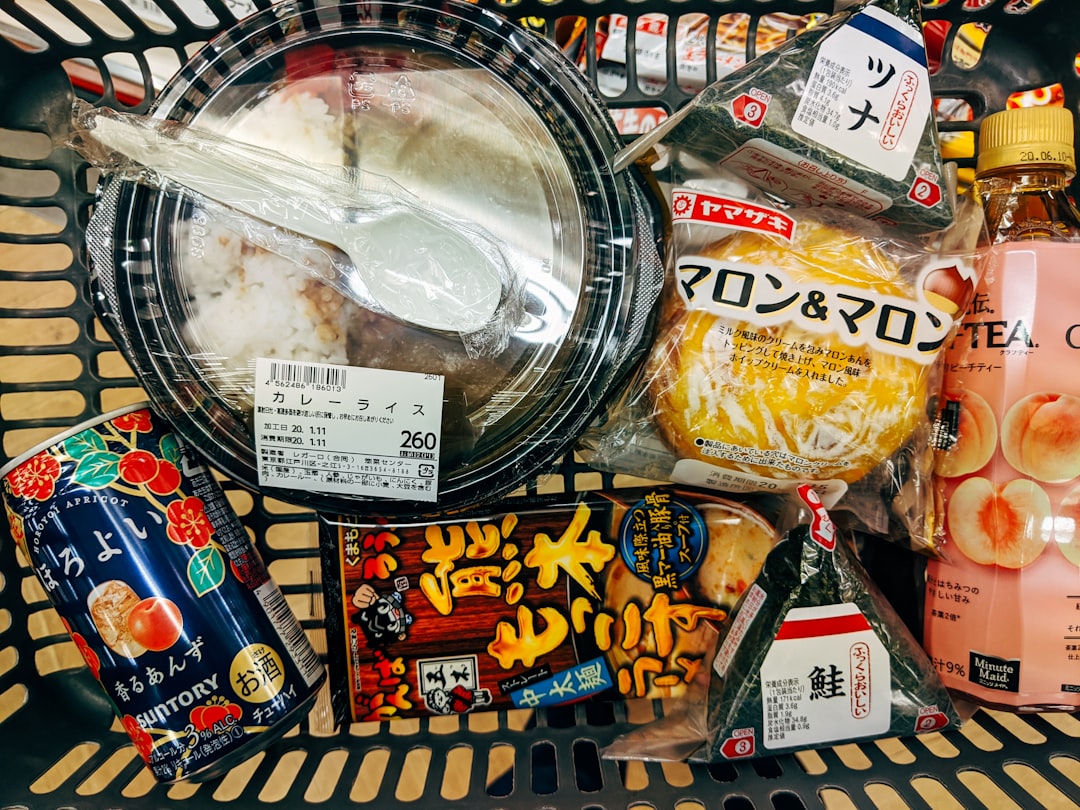
At first glance, a luxury brand like Burberry and a supermarket like Morrisons might seem to live in different worlds. One sells aspiration, the other sells essentials. But when both can point to improved festive sales in the same quarter, they reveal something far more important about consumer behavior: shoppers are not simply spending more or less, they are splitting their money with greater precision. They are protecting the grocery budget, hunting for grocery value, and still carving out room for the occasional treat. That is exactly why price comparison tools, value-led promotions, and smarter basket building matter more than ever.
The latest signals fit a broader picture. Burberry said festive store sales rose 3%, a welcome lift after a tougher comparison period and a sign that affluent shoppers still open their wallets for a defined moment of indulgence. Morrisons, meanwhile, has doubled down on its “value triangle” as it looks to build on Christmas momentum with more personalisation and sharper value messaging. Add in stubbornly weak consumer confidence, and the pattern becomes clear: shoppers are under pressure, but they are not spending in a straight line. They are trading down on the weekly shop, trading up selectively, and using price sensitivity as a strategy rather than a sacrifice.
If you want to navigate that reality, the key is knowing where to save, where to splurge, and how to compare baskets in a way that matches your shopping priorities. For more on how supermarkets organize offers, see our guide to weekly ads, price comparison, and product scanners. These tools are no longer optional for value shoppers; they are the modern equivalent of clipping coupons, except faster, smarter, and much more accurate.
1. The Big Picture: Why Luxury and Grocery Are Rising at the Same Time
Two spending modes, one consumer
When consumers feel stretched, they usually do not stop spending altogether. Instead, they become selective. Essentials stay in the basket, but the mix shifts toward cheaper staples, own-label items, and better-promoted lines. At the same time, one or two categories may still get a lift from “permission to spend” moments: festive fashion, beauty, premium food, or a brand that signals status. This is why luxury and grocery can both grow even when the overall mood is cautious. The consumer is not necessarily optimistic; they are simply reallocating.
This split is important for households because it reflects shopping priorities in a cost-of-living environment. Essentials absorb scrutiny, while treats are rationed but not eliminated. You can see a similar logic in other markets where buyers compare features, durability, and long-term value rather than choosing purely by sticker price, much like the thinking behind cost vs. value decisions in premium purchases. The same mindset now applies to groceries: shoppers ask what a product really costs per meal, per serving, or per week.
Festive spending as a release valve
The festive period often acts like a release valve. Shoppers who have spent the year cutting back may still allow themselves a gift, a premium dessert, a nicer bottle, or a branded fashion purchase if the occasion feels justified. That does not mean the pressure on household budgets has eased. It means consumers are psychologically separating “need” from “deserve.” Luxury brands benefit when confidence improves just enough to support a celebratory purchase, while supermarkets benefit when shoppers search harder for value to fund those moments.
This dynamic is especially visible when confidence remains weak, as recent GfK readings suggest. Even when sentiment improves slightly, it can still sit below the level needed for broad-based optimism. In practical terms, households become more disciplined. They rely more heavily on store locator tools, store profiles, and inventory checks before they leave home, because a wasted trip is no longer a minor inconvenience; it is a budget leak.
What this means for retailers
For retailers, the lesson is simple: growth now comes from relevance, not blanket discounting. Luxury brands need emotional connection and credibility. Supermarkets need visible value and easy navigation. Both need to reduce friction. In grocery, that means showing exact promotions, matching basket sizes to household needs, and helping customers see whether a lower-priced alternative is actually comparable. In luxury, it means framing the purchase as intentional and worthwhile, not frivolous. The common thread is trust.
Pro Tip: Shoppers who compare only headline prices often miss the real savings. Compare unit price, pack size, brand substitutions, and loyalty pricing together before deciding where to buy.
2. Burberry’s Festive Lift: What Luxury Confidence Tells Us
Luxury is not immune to caution
Burberry’s 3% festive store sales rise matters because luxury is usually the first place you expect caution to show up. When shoppers feel uncertain, they delay non-essential purchases, especially ones with no immediate utility. Yet a modest lift suggests that premium brands can still win when they offer the right mix of status, heritage, and occasion-based relevance. The broader lesson is not that luxury has become cheap; it is that some consumers are willing to stretch for a defined emotional payoff.
This is where consumer psychology becomes crucial. A luxury purchase often carries a narrative: a reward, a celebration, a milestone, a gift. Grocery purchasing has its own version of this, especially during holidays when premium ingredients, entertaining staples, and special desserts become emotionally loaded. A shopper may save on everyday staples all month and then allocate a controlled amount to a festive splurge. That balancing act is why the contrast between Burberry and supermarket performance is so revealing.
Selective premiumization is still alive
Even in a cost-conscious market, selective premiumization does not disappear. It simply becomes narrower and more deliberate. Some shoppers trade down on detergent, cereal, and fresh basics but keep one premium category intact: coffee, wine, cheese, skincare, or a branded treat. Others move in the opposite direction, using private-label savings in the weekly shop to preserve budget for a luxury accessory or occasion outfit. That behavior is not irrational. It is optimized.
If you want a food example of this logic, consider how people shop for cheese. A shopper may choose a budget brie, then test whether it performs like the expensive version. That exact kind of value test is explored in this supermarket brie showdown. The principle is the same across categories: if a lower-priced product delivers 80–90% of the experience, many consumers will happily pocket the difference and redirect it elsewhere.
Burberry’s lesson for grocery shoppers
Luxury brands survive by making the purchase feel special. Grocery shoppers can borrow that mindset by treating the weekly shop as a set of categories with different roles, not one undifferentiated bill. Essentials should be optimized ruthlessly. Occasional treats should be chosen intentionally. If you apply that framework, you can preserve quality where it matters and cut cost where it does not. That is the heart of value shopping: not deprivation, but precision.
3. Morrisons and the Value Triangle: How Grocery Value Gets Built
Value is more than low price
Morrisons’ renewed focus on the “value triangle” is a useful reminder that grocery value has several layers. Price matters, but so do availability and trust. A shopper may see a low shelf price and still walk away if the item is out of stock, the pack is awkward, or the promotion feels misleading. In the real world, value means the right product, at the right price, at the right time. That is why supermarkets invest in targeted promotions and why shoppers increasingly rely on digital tools to check before they go.
To explore this more systematically, a product scanner can be more powerful than a quick glance at an aisle tag. It helps compare per-unit pricing, identify hidden pack shrinkage, and spot whether a multibuy really beats a plain single-item offer. For a broader look at how better data can improve consumer decisions, see how consumers benefit from transparency in marketing data. The underlying lesson is the same: clear information changes behavior.
Personalisation turns promotions into savings
One reason supermarkets emphasize value personalisation is that not every shopper defines value the same way. A large family wants bulk savings. A single shopper wants low waste and flexible pack sizes. A time-poor parent wants one-stop convenience with predictable pricing. The strongest supermarket strategies now use customer data to tailor offers, because a generic coupon is less effective than a relevant one. That relevance can be the difference between a shopper switching stores or staying loyal.
Retail personalization also helps explain why value-led retailers can still post growth despite weak confidence. If shoppers feel they are getting a fair deal on staples, they are more willing to accept a small premium on the occasional convenience item. That trade-off mirrors the broader consumer split between luxury and grocery: save here, spend there. It is not a contradiction. It is a budgeting system.
The value triangle in practice
In practice, the value triangle can be translated into three shopper questions: Is the price competitive? Is the item available now? Does the deal feel credible? If the answer is yes to all three, the customer is likely to buy and come back. If one leg fails, the deal weakens. That is why supermarkets that combine online inventory, store profiles, and local deal data often win more trust than retailers that only advertise a low price.
For deal hunters, this means one thing above all: never evaluate a grocery bargain in isolation. Compare it with the store’s weekly deals, check a coupon directory, and verify local availability before making the trip. A bargain is only a bargain if you can actually buy it.
4. Consumer Behavior in 2026: Trading Down Without Giving Up
Trade-down is a strategy, not a trend
“Trade down” has become a shorthand for consumers trying to manage inflation, but the phrase can be misleading if you think it only means buying worse products. In reality, many shoppers are trading down selectively to preserve quality in priority categories. They may switch from branded to own-label pasta, but keep premium coffee. They may buy the supermarket’s budget cleaning range, but still choose fresh bakery bread for the weekend. The result is a more complex basket, not a universally cheaper one.
This is where understanding shopper intent matters. Value shoppers are often not looking for the absolute cheapest item; they are looking for the best acceptable outcome. That is why comparison is so powerful. It reveals when a premium label genuinely adds utility and when it merely adds price. Similar thinking appears in consumer categories outside grocery, such as the discount cheat sheet for trading up without overpaying, where the goal is to maximize feature value rather than chase the most expensive model.
Basket splitting is becoming normal
Household shopping is increasingly split into separate missions: the fill-the-fridge shop, the top-up run, the meal-plan order, and the indulgence buy. Each mission has its own budget logic. A family may use value stores for bulk essentials, a premium grocer for a special occasion item, and a local supermarket for same-day convenience. This fragmentation makes comparison more important, because the cheapest store on one trip may not be the cheapest overall.
That is why digital shopping helpers are becoming part of routine behavior. Shoppers want to know whether the “value” store is truly cheaper once travel, substitutions, and pack sizes are factored in. If you are planning a more efficient shopping trip, it helps to read practical guides like how to pack for a weekend road trip for the same reason: good planning reduces waste, misses, and unnecessary add-ons. Grocery strategy works the same way.
Confidence is low, but budgets still have rules
Even when confidence is weak, households build routines to protect spending. They set soft rules: never buy laundry detergent full price, always check own-label first, only pay premium for products where quality is obvious. These rules are informal, but they are effective. They create consistency in an uncertain environment and help shoppers avoid impulse splurges that undermine the monthly budget. When used well, a product scanner or price comparison page reinforces those rules by making the best option visible.
5. Where Grocery Bargains Fit Into the Premium vs. Value Equation
Bargains fund the splurge
One of the most practical insights from the Burberry-versus-grocery contrast is that grocery bargains often subsidize non-grocery treats. A household that saves £10 to £20 a week on essentials may not feel richer day to day, but over a month that can fund a restaurant meal, a beauty purchase, or a festive fashion item. The spending connection is real, even if it is mentally separated. Grocery savings are rarely just grocery savings; they are budget reallocation tools.
That is why shoppers should think about savings in annualized or monthly terms, not just on one receipt. A series of smart substitutions can create meaningful headroom. If a private-label cereal performs acceptably, a budget cleaner works fine, and a promotional fresh item replaces a full-price one, the aggregate effect can be significant. For a parallel perspective on stretching budget in another category, see how inflation affects a makeup budget. The same financial logic applies.
Not all bargains are equal
Some grocery bargains are obvious, while others are traps. Multibuys can be useful for stock-up items but poor value for low-usage households. Clearance can be excellent if the product has a long shelf life, but risky for perishables if you will not use them quickly. Loyalty pricing may look strong but only matter if the base price was already competitive. This is why consumers need to inspect the full offer, not the headline.
For shoppers trying to make better decisions, it helps to treat grocery offers like a comparison matrix. Use a scanner to check unit cost, compare across stores, and confirm whether the lower-priced item genuinely fits your needs. The process is similar to using product comparison frameworks in e-commerce: make the trade-offs visible, then decide. Price alone is rarely enough.
Premium does not always mean better
One of the biggest mistakes shoppers make is assuming premium automatically means superior value. Sometimes it does, especially when the quality difference is obvious or the item is used frequently. But in many grocery categories, the premium label mostly buys branding, packaging, or prestige. Once shoppers see that clearly, they become more confident in trading down. That is good news for households under pressure because it preserves standards where they matter and avoids overpaying where they don’t.
For instance, a budget cheese, sauce, or snack can sometimes deliver nearly identical satisfaction to the premium version. A guide like the supermarket brie showdown helps show how to judge sensory quality, not just label status. That kind of evidence-based shopping is exactly what value shoppers need.
6. How to Use Price Comparison and Product Scanners Like a Pro
Build a basket, not a guess
The smartest way to shop is to build the basket before you buy. Start with the meals you actually plan to cook, then identify which ingredients can be swapped, which must be exact, and which can be substituted for the lowest-priced equivalent. Once you know that, use price comparison tools to check where each item is cheapest. This avoids the common mistake of chasing the lowest shelf price while ignoring the cost of the full shop.
A practical routine might look like this: check weekly ads, scan a few key items, compare unit prices, and note which store wins on your priority list. If you are shopping across multiple chains, a store directory can help you map opening hours and nearby branches, while inventory checking prevents wasted trips. For efficient grocery planning, this is not overkill; it is the modern version of clipping and sorting coupons.
Focus on the biggest budget leaks
Not every item deserves the same attention. The biggest savings usually come from the items you buy repeatedly: milk, eggs, bread, coffee, cereal, cleaning products, lunch staples, and household basics. Small price differences become large over time. That is why scanning and comparison tools pay off most when you use them on frequent purchases rather than rare impulse buys. If you only compare a luxury dessert once a month, you may miss the bigger opportunity in your weekly essentials.
There is also a behavioral bonus. Once a shopper becomes comfortable comparing one category, they become more likely to compare others. That habit compounds. It may even change how you perceive value in non-grocery categories, whether it is groceries, travel, or seasonal shopping. Strong habits tend to spread.
Use evidence, not assumptions
Because packaging, loyalty mechanics, and promotions change constantly, assumptions age quickly. A store that was cheapest last month may not be this week. A brand that felt premium may now be on promotion. A multibuy may no longer beat a simple single-item price. The only reliable answer is data. That is why people increasingly look for transparent product pages and comparison tools instead of relying on memory.
For shoppers who want to sharpen this skill, the best approach is to compare three things every time: unit price, pack size, and substitution quality. If you can do that consistently, you will make better decisions with less effort. That thinking aligns with budget-friendly comparison methods, where the quality of the decision improves because the evidence is structured.
| Spending Pattern | What It Looks Like | Best Tool | Main Risk | How to Save More |
|---|---|---|---|---|
| Weekly essentials | Milk, bread, fruit, basics | Price comparison + product scanner | Overpaying on repeat buys | Compare unit price across 2–3 stores |
| Festive treat buying | Premium food, gifts, special items | Weekly ads + coupon directory | Impulse premium spend | Set a treat budget and compare before checkout |
| Trade-down shopping | Switching branded to own-label | Product scanner | Quality drop that hurts value | Test one item at a time and keep notes |
| Bulk stock-up trips | Laundry, pantry, frozen goods | Inventory check + store profiles | Buying too much too soon | Check shelf life and household usage rate |
| Top-up convenience runs | One or two missing items | Store locator + weekly deals | High per-item cost | Combine errands or choose the nearest value store |
7. What Retailers Can Learn From the Split Between Treats and Essentials
Merchandising should match the budget mood
Retailers need to recognize that shoppers are not in one universal mood. Some are seeking reassurance and savings. Others are seeking permission to indulge. Grocery retailers should make essentials easy to find, priced clearly, and reinforced with visible value messaging. Luxury retailers should make occasion-based buying feel justified and emotionally resonant. The winning strategy is not the same in both categories, even though the consumer mindset is linked.
This is why high-performing retail experiences often combine clarity with choice. The shopper should instantly understand what is on offer, what it costs, and why it is worth buying. That principle shows up in effective digital experiences too, including guided journeys and real-time information systems. For a broader perspective on this, see the future of guided experiences. Grocery shopping is moving in that direction fast.
Personalisation beats blanket messaging
Generic “great value” claims no longer cut through on their own. Shoppers want proof. They want relevant offers, clear comparisons, and products that fit how they actually shop. That means retailers should invest in smarter recommendation logic, promotion targeting, and content that helps people build a basket. The reward is higher trust and a better conversion rate. The penalty for being vague is that value shoppers simply move on.
Retailers that understand this can also support premium-vs-value decisions more effectively. Instead of forcing a one-size-fits-all answer, they can guide shoppers toward the right tier for the occasion. That may be a premium steak for a special dinner and a private-label sauce for the weekday meal. This flexible approach reflects real consumer behavior better than rigid brand hierarchy.
Trust is the new price advantage
In a low-confidence market, trust is often more powerful than the absolute lowest price. If shoppers believe they can find the right product, at a fair price, without surprises, they will return. That trust is built through consistent pricing, honest promotions, and easy-to-understand product data. In other words, the retailer that helps shoppers make better decisions wins more loyalty than the one that shouts “cheap” the loudest.
Pro Tip: If a supermarket makes it easy to compare by unit price, show local inventory, and surface relevant deals, it can become the default choice even when it is not the absolute lowest-priced store on every item.
8. A Practical Playbook for Value Shoppers in 2026
Before you shop
Start with a plan. Decide which items are non-negotiable, which can be substituted, and which should only be bought on offer. Check the weekly ad, scan the strongest promotions, and look at store hours and inventory so you do not chase deals that are out of stock. If you are comparing multiple stores, make a quick note of which one wins on staples, which one wins on fresh items, and which one has the best deals for your list.
This is also the stage where shopping priorities matter most. A family pantry shop, a work-lunch top-up, and a holiday hosting run all require different rules. If you define the mission first, you avoid paying convenience premiums unintentionally. That one habit alone can save more than any single coupon.
During the shop
Use the shelf tag, unit price, and scanner data together. Do not assume a larger pack is better value unless the per-unit cost proves it. Watch for brand line extensions that mimic premium products at lower prices, and test them gradually. If an item is a repeat buy, keep a running note of which store consistently offers the best deal. Over time, your own price memory becomes a personal advantage.
When possible, combine this with loyalty offers and seasonal promotions. But be careful not to let the promotion drive the purchase if the item is not actually useful. A true bargain is one you were planning to buy anyway, just at a better price. Anything else is a controlled impulse.
After the shop
Review what you actually spent versus what you planned. Identify the items where you paid premium and ask whether the extra cost was worth it. Also note where a trade-down worked well. This feedback loop is how value shopping improves over time. Like any skill, comparison gets better with repetition.
If you make a habit of reviewing a few receipts each month, you will quickly learn your own breakpoints: which items deserve premium, which are safe to trade down, and which stores consistently give you the best basket price. That is the real win. Not just lower spend, but sharper judgment.
9. What This Means for the Rest of the Year
Expect more split spending
The Burberry and Morrisons stories suggest that 2026 will be a year of split spending. Consumers will keep pressure on everyday costs while still rewarding themselves on targeted occasions. Retailers that understand this will speak to both emotions: caution and celebration. Grocery is the everyday battleground, but it is also the funding source for occasional indulgence.
That means value shopping will keep rising in importance. Shoppers will compare more, scan more, and pay closer attention to the real cost of their basket. Premium brands will still have room to grow, but only when they offer a clear reason to spend. The middle ground, where products rely on vague quality claims, may be the most vulnerable.
The smartest shoppers will be the most flexible
The winners in this market are not the people who refuse to pay for anything premium, nor the people who ignore price entirely. They are the flexible shoppers who know when to save and when to spend. They compare relentlessly on essentials, then reserve budget for the categories that genuinely matter to them. That is a healthier and more sustainable model than blanket austerity or indiscriminate splurging.
As a result, price comparison is no longer just a budgeting tactic. It is a consumer strategy. And in a market where confidence is still fragile, strategy matters. The more clearly shoppers understand the relationship between grocery value and luxury spending, the more control they have over their household finances.
Final takeaway
Burberry’s festive lift and Morrisons’ value-led growth are not contradictory stories. They are two sides of the same spending pattern. Shoppers are protecting the essentials, searching for bargains, and freeing up just enough room for life’s treats. If you want to make that pattern work in your favor, use price comparison, product scanners, weekly ads, and inventory checks to turn shopping from guesswork into a repeatable system. That is how you stretch the grocery budget without feeling deprived—and still leave room for the occasional premium purchase.
Frequently Asked Questions
Why can luxury brands grow when consumer confidence is still weak?
Because shoppers often separate essential spending from treat spending. Even when they are cautious overall, they may still buy a premium item for a special occasion, gift, or reward moment. Luxury growth can therefore reflect selective confidence rather than broad optimism.
What does trade down mean in grocery shopping?
Trade down usually means switching from a premium or branded product to a lower-priced alternative, often own-label, to save money. Good trade-down behavior focuses on preserving quality where it matters and cutting cost where it does not.
How do I know if a grocery deal is actually good value?
Compare the unit price, pack size, and product quality before buying. Then check whether the item is in stock locally and whether the promotion applies to the size you need. A good deal should work in real life, not just on the shelf label.
Is premium always better than value?
No. Premium sometimes adds genuine quality, convenience, or durability, but in many grocery categories the value version is close enough to justify the lower price. The best choice depends on how often you buy the item and how much quality matters to you.
How can product scanners help me save money?
Product scanners help you compare items quickly by revealing unit price, promotions, and alternative options. They reduce the chance of overpaying, especially on frequent purchases where even small differences add up over time.
What is the best way to balance grocery savings with occasional splurges?
Set a clear budget for essentials and compare prices on repeat purchases, then ring-fence a small amount for treat spending. This keeps your weekly shop efficient while preserving room for special purchases without guilt.
Related Reading
- Weekly Deals - Track fresh promotions before you shop so you can time your basket around real savings.
- Store Locator - Find nearby supermarkets, opening hours, and services in seconds.
- Coupon Directory - Compare current coupons and stack savings with confidence.
- Local Store Profiles - Check store details, departments, and shopping options before you go.
- Inventory Check - Confirm availability for key items and avoid wasted trips.