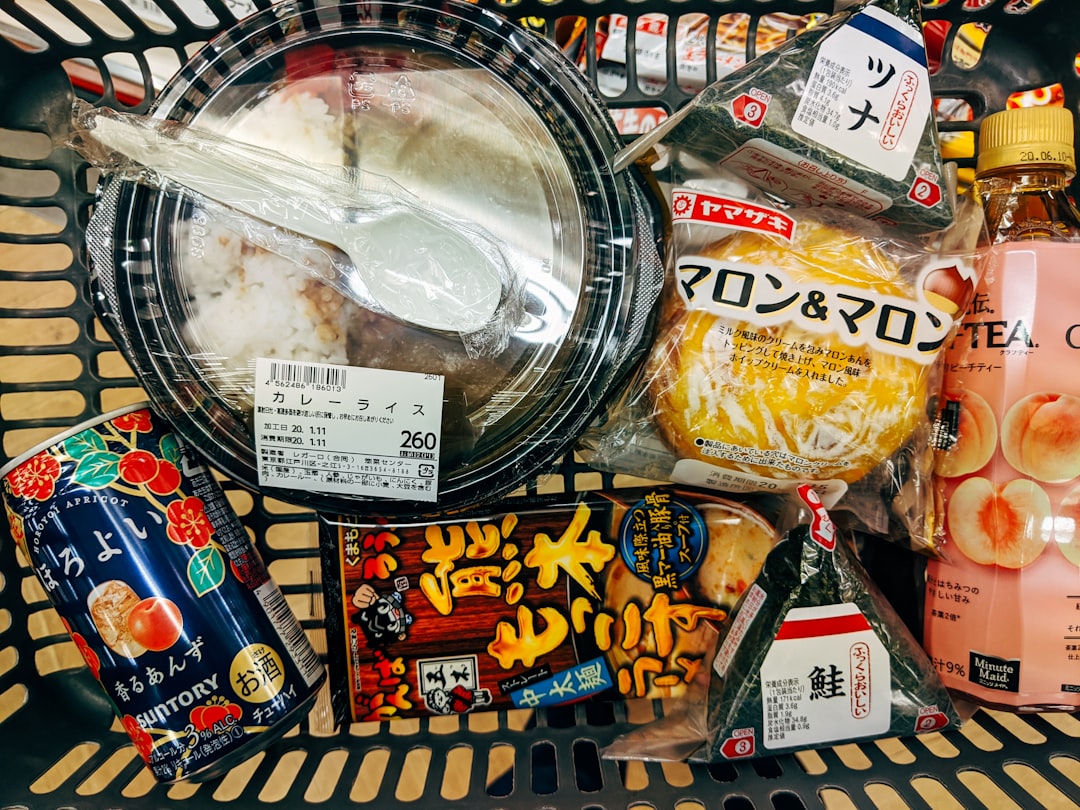
When cocoa and coffee prices move, smart shoppers should pay attention—not because futures charts belong in the pantry, but because commodity shifts often change the shelf-price logic behind deal shopping. If you regularly buy chocolate bars, baking cocoa, instant coffee, ground coffee, flavored desserts, or store-brand hot cocoa mixes, price trends can tell you when private label is likely to deliver better value than name brands. That matters right now because cocoa has recently retreated sharply on slack demand and ample supplies, while coffee has been volatile and sensitive to currency moves, creating a mixed backdrop for grocery aisles. The real question is not whether store brands are always cheaper—they usually are—but whether the gap widens enough to justify switching, stocking up, or staying loyal to a premium brand. For shoppers using a product scanner or a grocery app, this is the moment to turn market news into practical basket decisions.
Think of it like this: cocoa and coffee are upstream ingredients, but your grocery bill is downstream from packaging, marketing, logistics, and retailer pricing strategy. That means a drop in raw commodity prices does not automatically equal an immediate shelf discount, yet it often improves the odds that store brands can hold prices steady or undercut national labels more aggressively. If you know how to compare unit prices, track weekly ads, and read private-label quality cues, you can save in ways that go beyond one-off coupons. For broader tactics on savings discipline, see our guide to coupon stacking and budget shopping and our overview of how consumer events change retail demand. The goal here is simple: make commodity news work for your grocery budget instead of just reading about it.
Why Cocoa and Coffee Prices Matter to Grocery Shoppers
The commodity-to-shelf-price connection
Cocoa and coffee are not the only costs in a chocolate bar or coffee tin, but they are often the most visible ingredients in the shopper’s mind. If cocoa prices fall materially, private-label chocolate makers and bakery suppliers can gain room to protect margins or sharpen pricing. Coffee is different: roasts, blends, imports, and brand positioning can create more lag, so retail prices may move slowly even when futures change quickly. A smart comparison strategy starts with understanding that a cheaper commodity does not guarantee a cheaper checkout total the same day.
That lag is exactly why grocery shoppers should use a product scanner mindset rather than a single-price mindset. You are not just looking for “lowest price today,” but “best timing, best unit cost, and acceptable quality.” Private label often benefits first because it has fewer marketing layers and less brand equity to defend. National brands may hold price longer, then respond with promotions, multipacks, or loyalty-card discounts.
What the current market signals suggest
Recent market reporting showed cocoa dropping to multi-year lows on demand concerns and ample supply, while coffee prices gained as the dollar weakened and short covering lifted futures. In shopper terms, that mix means chocolate categories may be entering a more favorable environment for store brands, while coffee could stay choppy and promotion-driven. If you buy a lot of baking cocoa, chocolate chips, dessert mixes, or hot chocolate, the odds favor testing store brands sooner rather than later. If you buy coffee, the better move may be to compare aggressively across pack sizes and formats before switching wholesale.
This is where a price-comparison habit pays off. Use a grocery app to compare shelf prices across stores, then layer in weekly specials, loyalty deals, and private-label equivalents. For a broader view of value-based shopping logic, our guide on judging real value beyond the sticker price is useful because the same principle applies here: the cheapest item is not always the cheapest basket.
How to read a commodity headline like a shopper
If cocoa is sliding, ask whether your favorite name-brand chocolate is truly worth the premium when the store brand already tastes comparable. If coffee is rising or volatile, ask whether a promotion is meaningful enough to offset a brand premium. Shoppers often make the mistake of buying by habit, then only later noticing that the store brand stayed stable while the premium label crept upward. The best response is to compare on three axes: price per ounce, ingredients, and usage frequency.
Pro Tip: If a private-label item is at least 20% cheaper than the name brand and the ingredient list is similar, it is usually worth testing—especially in categories like cocoa powder, baking chocolate, and dessert mixes where brand loyalty is often emotional, not functional.
Where Private Label Usually Wins: Chocolate, Coffee, and Desserts
Private-label chocolate: the easiest switch
Chocolate is often the quickest category to move from name brands to store brands because much of the shopper value comes from form factor and sweetness level rather than trademark prestige. In bars, chips, syrup, baking cocoa, and seasonal candy, private label frequently closes the quality gap while maintaining a noticeable price advantage. That advantage becomes more compelling when cocoa costs soften, because the retailer has more flexibility to keep promotional pricing attractive or absorb price fluctuations. If your household uses chocolate mostly for baking, snacking, or topping desserts, a store brand is often the rational default.
Where should you be cautious? Premium chocolate with very high cacao percentages, distinctive origin claims, or specialty inclusions can justify a name-brand premium. But for everyday brownies, cookies, pancakes, or hot cocoa, the taste difference is often small enough that the savings win. Pair your decision with a quick check of snack and dessert comparisons to see how product format changes the value equation.
Private-label coffee: best for function-first shoppers
Coffee is more nuanced because taste preferences are personal and roast consistency matters. Still, store-brand coffee can be excellent value for drip brewing, cold brew, or office use, especially when the blend is designed to be broadly appealing rather than artisan-centric. If you use creamer, milk, or flavor syrups, the marginal difference between premium and store-brand coffee may matter less than the total cup cost. In other words, a private-label coffee that tastes “good enough” can free up budget for better beans on weekends or for guests.
Use price drops as a cue to test, not just save. When coffee prices are elevated or unstable, name-brand promotions can sometimes become more competitive, especially through loyalty programs. If you want a broader lens on market-driven purchasing, the logic behind import-sensitive pricing is surprisingly similar: currency and supply changes can alter the timing of the best deal, even if the category itself stays expensive.
Private-label desserts and baking staples: where the math gets strongest
Dessert ingredients—pudding, brownie mix, cake mix, cocoa powder, chocolate chips, instant frosting, and cookie dough—are often the strongest case for switching because usage is intermittent and the recipes mask minor differences. A store brand can be slightly less rich, slightly less aromatic, or slightly less glossy and still produce an acceptable result in a home kitchen. That is especially true when the product is combined with eggs, butter, sugar, and vanilla, where the final outcome depends more on method than on branding. When cocoa prices are falling, these categories can become a hidden sweet spot for value.
For shoppers who like to track seasonal bargains, compare dessert staples the same way you would compare any big-ticket deal. The framework in last-chance deal tracking applies well here: when a category is in a favorable pricing window, stock the items you actually use, not just the items that look cheap in the aisle.
How to Compare Brands Like a Pro Using Grocery Apps and Product Scanners
Start with unit price, not package price
The most common comparison mistake is choosing the lower sticker price while ignoring package size. A smaller premium bar can look affordable while actually costing far more per ounce than a larger store-brand bar. Grocery apps and in-store scanners make this easier by surfacing the unit price, which is the only number that should really matter when comparing close substitutes. For coffee and cocoa, compare ounce-for-ounce, then check whether the formula or grind type is actually equivalent.
Use your grocery apps to save a list of usual buys, then review weekly price changes. Over time, you will notice which items fluctuate, which are consistently discounted, and which private-label versions stay stable. That gives you a practical shopping map that is more useful than generic coupon browsing.
Use ingredient and format matching
Not all chocolate or coffee products are equal even if they share a category. A premium espresso roast should not be compared with a mild breakfast blend; a single-origin chocolate bar should not be compared with a standard candy bar. Match the product format first, then compare brands. If the private-label version is a functionally equivalent item, the savings are usually meaningful; if not, you are comparing apples to oranges.
This same format-first approach is why shoppers who read guides on real value tend to make better decisions. Quality in grocery is contextual. A slightly lower-rated coffee might be perfect for iced coffee, while a premium bar could be worth it for a gift or holiday dessert.
Track promotions and loyalty pricing over time
Private-label items often win on baseline price, while name brands win during promotions. Your job is to identify which pattern is more favorable in your store network. Some grocers will keep store brands steady and discount national brands in cycles. Others will use loyalty pricing to make premium brands temporarily competitive. By checking weekly ads and scanner data, you can tell whether a “deal” is actually better than the regular private-label price.
For shoppers who want a deeper promotion strategy, the principles in stacking savings and weekend deal comparisons carry over well to grocery aisles. The key is to compare current promotions against your usual private-label fallback, not against a higher imagined price.
When Name Brands Still Deserve a Spot in Your Cart
Situations where quality variation matters
Even when commodity prices soften, some name brands still justify the premium. If you are buying specialty coffee for espresso machines, whole-bean products with strict freshness expectations, or chocolate with a particular mouthfeel and flavor profile, the brand may be tied to repeatable quality. The same is true for desserts you serve to guests or recipes where small differences are obvious. In those cases, the savings from switching may not outweigh the risk of disappointment.
The practical rule: switch where the category is forgiving, hold where the category is sensitive. Baking cocoa, chocolate chips, instant coffee, and hot chocolate are forgiving. Whole bean coffee, gourmet bars, and premium dessert toppings are more sensitive. This approach helps you avoid the false economy of buying a cheap item you do not enjoy and then replacing it anyway.
High-frequency buys versus special occasions
Name brands can make sense when the purchase is occasional and emotionally important. If you buy premium chocolate for a celebration or coffee for a once-a-week ritual, the per-use premium may be small enough to justify. But for daily consumption, the cumulative savings from store brands often outweigh the occasional “better taste” benefit. That is especially true in households with multiple coffee drinkers or frequent bakers.
When you look at your basket over a month, the everyday items are where value products shine. If a private-label cocoa saves even a modest amount each week, the annual difference can be significant. That is why many budget-conscious shoppers treat store brands as the base layer and name brands as the treat layer.
Brand loyalty should be earned, not automatic
Brand loyalty is strongest when a product consistently solves a problem you care about. But if commodity prices are easing and store-brand quality has improved, loyalty should be re-evaluated. That is not being disloyal; it is being rational. The smart shopper asks whether the premium still buys enough additional value to matter.
For a broader perspective on how heritage and perception influence buying behavior, our article on heritage brands and bold relaunches shows how brand equity can persist even when product economics shift. Grocery shoppers can borrow that lesson by asking whether they are paying for the product or for the story.
A Practical Framework for Deciding Whether to Switch
The 3-question switch test
Before swapping a name brand for a store brand, ask three questions. First, is the product category forgiving enough that small quality differences will not ruin the experience? Second, is the price gap large enough—usually 15% to 25% or more—to justify trying the private-label version? Third, is the item one you buy frequently enough that the savings compound? If the answer is yes to all three, you likely have a strong case to switch.
That test is most powerful when combined with a scanner check in the aisle. A grocery app can show you that the store brand is cheaper today, but a quick comparison of ingredient lists and reviews can confirm whether the price gap is worth exploiting. Think of it as a personal procurement process, just like the comparison logic in value-first purchasing guides.
Build a test-basket before you fully switch
Instead of changing every item at once, create a test basket: one chocolate item, one coffee item, and one dessert item. Buy the private label version alongside your usual name brand, then compare them in real use. You might discover that store-brand hot cocoa is perfectly acceptable while store-brand ground coffee is only suitable for mixed drinks or cold brew. This method reduces risk and helps you find the categories where savings are truly painless.
For shoppers who like structured experiments, the checklist style used in last-chance deal tracking is a helpful model. Set a rule, test once or twice, and then decide based on evidence rather than habit.
Watch for shrinkflation and recipe changes
Sometimes the headline price does not change much, but package size shrinks or ingredients shift. That is why scanner tools and package comparisons matter so much in grocery. A name brand might look stable while quietly reducing ounces, while a private-label product may maintain size and still beat it on unit cost. If you are trying to stretch your budget, these quiet changes are often more important than visible sale tags.
Shoppers who stay alert to packaging changes tend to outperform those who shop only by memory. If you want to sharpen that habit, the deal-tracking perspective in fast-moving promotion hubs and the comparison mindset in comparative grocery analysis are both useful. The retail lesson is simple: the shelf is a moving target.
How Retailers Use Private Label When Commodity Prices Move
Why store brands can move faster than national brands
Private-label products are often controlled more directly by the retailer, so pricing updates can happen faster than with national brands. If cocoa prices fall, a store brand chocolate line may be adjusted in pricing, packaging, or promotion sooner because the retailer has fewer external negotiations. National brands, by contrast, often manage a broader network of suppliers, contracts, and marketing commitments. That extra structure can slow down the pass-through of savings.
This is why private label often feels more responsive during commodity shifts. The retailer can use store-brand pricing to defend foot traffic, signal value, and keep shoppers from trading down to the cheapest competitor. When margins are under pressure, store brands can become the retailer’s strongest value weapon.
Why some price drops take time to reach the shelf
There is usually a delay between a futures move and a shelf change. Retailers may be waiting for existing inventory to clear, for supplier contracts to reset, or for a more stable trend before repricing. That means shoppers should watch for confirmation rather than assuming one good headline means immediate savings. If cocoa stays weak for a while, the odds increase that store-brand chocolate and dessert categories will become more aggressive.
For a broader view of how market conditions filter into retail strategy, see how currency weakness affects import decisions. Similar logic applies in grocery: one factor changes upstream, and the retail response arrives later, often unevenly.
What this means for weekly ad shoppers
Weekly ads remain the best bridge between market trends and real shopping behavior. If cocoa is down, look for chocolate and baking items in promotional circulars. If coffee is unstable, watch for buy-one-get-one offers, loyalty discounts, and store-brand multipacks. Private label may not always be advertised as boldly as name brands, but it often sits there as the everyday benchmark that makes the sale item look better.
That is also where comparison tools become most valuable. Using an app to sort by unit price lets you see whether the sale is truly a deal or just marketing. For additional savings thinking, our guide on deal quality versus baseline price offers a helpful mindset you can apply in the grocery aisle.
Price Comparison Table: When to Choose Private Label vs Name Brand
| Category | Best Default | Why | Switch When... | Scanner Check |
|---|---|---|---|---|
| Cocoa powder | Private label | Formulas are often similar and baking masks minor differences | Name brand is on a deep promo or you need a specific flavor profile | Compare ounces and fat content |
| Chocolate chips | Private label | Good savings, strong performance in baking | You need premium melt quality or specialty chips | Check ingredients and chip size |
| Hot cocoa mix | Private label | High convenience, low brand sensitivity | Household prefers a specific sweetness or richer texture | Compare sugar and cocoa percentages |
| Ground coffee | Depends | Value can be excellent, but taste varies by roast | Name brand is within 10% and you dislike store-brand flavor | Match roast level and grind type |
| Whole bean coffee | Name brand on promo | Freshness and consistency matter more | Private label has a clear freshness date and strong reviews | Check roast date, not just price |
| Brownie/cake mix | Private label | Recipe masking makes switching low-risk | Serving guests or need a specific texture | Compare serving size and add-ins needed |
| Premium chocolate bars | Name brand | Perceived quality and flavor nuance are central | Store brand offers an equivalent cacao percentage and texture | Compare cacao %, origin, and weight |
A Smart Shopper’s Playbook for the Next 30 Days
Week 1: audit your current basket
Start by listing the cocoa, coffee, and dessert products you buy most often. Use your grocery app or product scanner to record current unit prices for the name brands and private-label alternatives. You do not need a perfect spreadsheet, but you do need a baseline. Once you know your regular prices, you can actually see whether market changes are creating a real opportunity.
For shoppers who want to build a more systematic routine, the approach in AI-assisted deal shopping is useful because it turns scattered promotions into repeatable habits. The key is consistency, not complexity.
Week 2: test one substitution in each category
Replace one item in each category with a store brand. Buy private-label cocoa powder, a private-label coffee, and a private-label dessert mix. Test them in ordinary use, not a special “taste test” setting, because what matters is whether they work in your real routine. If one category disappoints, you still learn something valuable without overcommitting.
This staged approach is similar to how shoppers evaluate other categories after a market shift. The lesson from brand relaunch analysis is that shoppers do respond to changes, but only when the value proposition is clear and repeated.
Week 3 and 4: stock the winners, ignore the rest
After testing, buy more of the private-label items that worked and keep your name-brand exceptions only where they truly matter. If cocoa prices remain soft, this is a good moment to lock in a few pantry staples at store-brand prices. If coffee continues to swing, lean into promotions and be flexible on format, because the best value may depend on package size, roast, or store.
This is the kind of disciplined shopping that adds up. It is not about never buying brands again; it is about making brand choices intentionally, with commodity trends and scanner data on your side. That is the essence of value shopping.
Frequently Asked Questions
Are private-label chocolate and coffee actually good enough, or just cheaper?
Often they are good enough for everyday use, especially in categories like cocoa powder, baking mixes, hot cocoa, and drip coffee. The quality gap has narrowed in many supermarkets, and when commodity prices soften, private labels can become especially attractive. The best approach is to test specific items rather than assume all store brands are equal.
How much cheaper should a store brand be before I switch?
A practical benchmark is 15% to 25% cheaper, with the higher end being more compelling for sensitive categories. If the item is highly forgiving, even a smaller gap can justify a switch. If it is a specialty coffee or premium chocolate bar, you may want a larger gap before leaving a name brand.
Do falling cocoa prices mean chocolate will get cheaper right away?
Not always. Retail prices can lag because stores may have existing inventory, contract timing, and promotional calendars. But falling cocoa prices improve the odds that private-label chocolate and dessert products can stay competitively priced or become more aggressive in future ads.
Should I switch all coffee purchases to private label?
Not necessarily. Coffee is more sensitive to roast, freshness, and personal taste. Many shoppers use private label for daily brewing and reserve name brands or specialty roasts for weekends, guests, or espresso. That hybrid approach often delivers the best balance of savings and satisfaction.
What’s the easiest category to switch first?
Usually cocoa powder, hot cocoa mix, and baking dessert products. These are forgiving categories where the recipe masks small differences, and the savings can be meaningful. Coffee is worth testing too, but it benefits from a more careful comparison of roast, grind, and freshness.
How can grocery apps help me make the right call?
Grocery apps help by showing unit prices, sale cycles, loyalty offers, and sometimes nearby stock. They are especially useful when comparing name brands with private-label alternatives across multiple stores. The more often you scan, the more you learn which categories are truly worth switching.
Bottom Line: Use Price Trends to Upgrade Your Grocery Strategy
When cocoa prices retreat and coffee prices wobble, the smartest move is not to chase headlines—it is to use them as signals for better grocery decisions. Private-label chocolate, dessert mixes, and some coffee products can deliver strong value when the market creates room for retailers to compete. Name brands still matter for specialty quality, freshness, and occasional treats, but they should earn their premium in categories where taste and performance truly justify it. In everyday pantry staples, store brands often provide the best balance of affordability and acceptable quality.
If you want to shop like a pro, combine market awareness with practical tools: use a product scanner, compare unit prices, watch weekly ads, and test private label strategically. Over time, you will build a personal brand comparison playbook that saves money without sacrificing the foods you actually enjoy. That is the real win: not just cheaper groceries, but smarter groceries.
Related Reading
- Adapting AI Tools for Deal Shoppers: The Next Wave of Personal Savings - See how smarter tools can automate your price-checking habits.
- High-Performance Grocery Shopping: Comparative Analysis of Snacks for Gamers - A practical look at comparing value across packaged foods.
- When “Best Price” Isn’t Enough: How to Judge Real Value on Big-Ticket Tech - A useful framework for judging quality beyond sticker price.
- Smart Shopping: Maximizing Your Savings with Dollar Store Coupons and Stacking - Learn how to layer discounts without overcomplicating your trip.
- How to Build a Last-Chance Deals Hub That Converts in Under 24 Hours - A quick-read guide to timing and urgency in deal hunting.