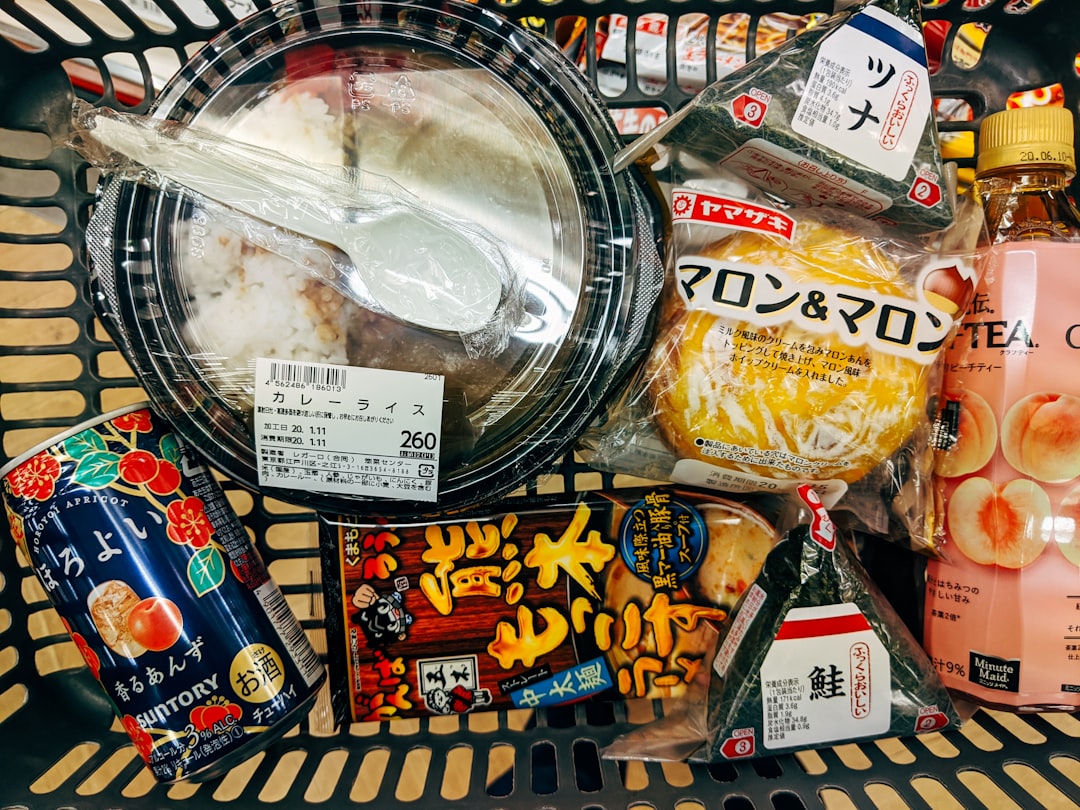
When retail sales soften, supermarkets often feel more pressure to win every basket. That matters for holiday shopping because grocers rarely respond with one simple move; instead, they tend to layer supermarket discounts, loyalty offers, digital coupons, and category-specific markdowns to protect traffic and basket size. For value shoppers, the trick is recognizing which promos are genuinely strong and which are just seasonal noise. If you understand how weaker demand can shape grocery promotions, you can time purchases around the best windows for non-perishables, festive treats, party essentials, and bulk buys.
This guide breaks down the mechanics behind weak sales periods and shows how shoppers can convert that backdrop into real basket savings. We’ll look at where holiday markdowns usually appear, how online-only offers differ from shelf promos, and how loyalty apps can quietly deliver the deepest cuts. We’ll also connect those tactics to practical shopping behavior, including pantry planning, price tracking, and timing store visits so you’re not buying at peak holiday prices.
To make that easier, it helps to think of the season as a negotiation between retailers and shoppers. When demand is uncertain, grocers may lean harder on what to buy first when grocery staples get volatile logic: protect essentials, delay non-urgent purchases, and pounce when a category gets discounted. For broader timing strategy, see our guide to timing purchases for better value, which uses the same principle of buying when supply and demand give shoppers leverage.
Why weak retail sales can translate into better grocery deals
Retailers chase traffic when baskets soften
A weak sales backdrop often signals that shoppers are more cautious, more price-sensitive, or both. In grocery, that typically means supermarkets need a reason for people to choose their store instead of a competitor’s, especially during periods when holiday budgets are stretched across gifts, travel, and meals. The response is usually promotional intensity: more multibuy offers, more loyalty-only pricing, and sharper reductions on items that draw attention quickly, such as snacks, drinks, dessert ingredients, and seasonal baking products.
This is especially true when shoppers are comparing multiple stores through weekly ads or a deal aggregator. If one chain offers a strong doorbuster while another leans on private-label value packs, the consumer can easily switch. That’s why weak sales often do not mean weak deals; in many cases, they mean the opposite. For shoppers who want to understand the mechanics of promo timing, our overview of intro discounts and store entry promotions shows how brands and retailers use price as a traffic-building tool.
Holiday demand creates a different kind of pressure
The holiday period is not just “busy”; it is uneven. Shoppers spend heavily on a few categories—party platters, beverage bundles, baking goods, giftable treats, and pantry-fillers—while ignoring less exciting items until they hit a meaningful discount. Supermarkets know this and frequently use promotional calendars to pull demand forward. A weaker overall retail backdrop can make them more willing to trade margin for volume, because the cost of leaving shelves full after the season is worse than shaving a few cents off today.
That’s why the smartest shoppers treat holiday promotions like a map rather than a random coupon dump. They watch for predictable storewide sales in categories that have long shelf life, then reserve fresh items for last-minute buying. If you’re building a broader value strategy around pantry items, our guide to pantry essentials for healthy cooking can help you separate true staples from holiday impulse purchases.
Promotions often migrate online first
When supermarkets need to defend share, they frequently test offers online before extending them to the entire store. That gives them more control over who sees the deal, whether it’s tied to a digital account, app notification, or pickup order. For shoppers, this means the best savings may never appear on the shelf tag alone. You may need to log into a loyalty account or check the retailer’s app to unlock the strongest price.
That pattern is similar to how digital marketplaces use segmentation to improve conversion. For a comparable example of timing and promotion design, see subscription savings strategies and notice how targeted offers tend to beat broad public discounts. In grocery, that same logic often surfaces as app-only produce deals, bonus points on holiday staples, and free-delivery thresholds for pickup or online cart completion.
The promotional playbook supermarkets usually use in the holidays
Loyalty offers that appear better than shelf pricing
Loyalty pricing has become one of the most effective tools in grocery retail. A regular shelf price may look ordinary, but the member price can be significantly lower, especially on branded pantry items and holiday-specific products. The retailer benefits because the discount is visible only to signed-in shoppers, which encourages app use and repeat visits. Shoppers benefit when they plan ahead and check their account before making a list.
The key is to treat loyalty offers like a filtered deal feed, not an automatic bargain. Sometimes the savings are real and meaningful; other times the promo only matches what a competing store is offering publicly. For a deeper look at reading fine print and separating hype from value, our article on reading bundle fine print offers a useful mindset that transfers well to grocery promos. The question is not simply whether something is discounted, but whether the discount changes your final basket total enough to matter.
Markdowns on short-dated holiday stock
Holiday inventory is highly perishable from a retail planning perspective, even when the product itself lasts months. Decorative cookies, specialty cheeses, seasonal candies, party dips, and limited-time baked goods all lose value quickly once the date passes. Retailers often mark these items down aggressively in the final days before the holiday or immediately after, depending on the category. This is where experienced shoppers can achieve some of the biggest percentage savings, especially if they are flexible about brand and flavor.
The best approach is to distinguish between “holiday-critical” items and “holiday-adjacent” items. If the product is for a specific event and you need it fresh, buy close to the date. If it is a festive treat that can sit in the pantry, wait for a markdown cycle. For shoppers who want to understand how value changes by timing, our guide to when to fix versus replace uses a similar logic: delay non-urgent decisions until pricing improves.
Online-only deals and pickup incentives
Some of the best online deals are built to move customers into digital ordering rather than foot traffic. That can mean “buy online, pick up in store” specials, cart-wide first-order discounts, or app-exclusive coupon stacks. During holidays, this is particularly powerful because retailers want to smooth peak-hour congestion while still capturing the sale. The result is that a shopper who spends ten minutes comparing pickup offers may save more than someone who only walks the aisles.
If you are trying to maximize time and money simultaneously, compare the online cart to in-store pricing before you shop. For additional logistics thinking, our article on comparing delivery costs shows how fees and thresholds can change the “real” price of a purchase. Grocery pickup works similarly: a lower item price can be canceled by a service fee, but a strong cart-wide promo or free pickup threshold can still produce excellent value.
How to time holiday purchases for maximum basket savings
Buy non-perishables early when deals are visible
Non-perishables are the safest place to capture holiday savings because you are not racing the clock. Pasta, broth, canned vegetables, baking supplies, paper goods, sparkling drinks, and snack assortments often go on promotion before the busiest shopping week, and the best deals may vanish once demand peaks. If you have storage space, stocking these items early protects you from the last-minute premium that appears when everyone else is filling carts at the same time.
A practical rule: if you know you’ll use it before the end of the season and the discount is strong, buy it. That mindset is closely related to the priority approach in our staple-buying priority list. The biggest mistake is waiting too long because you expect an even better offer on a category that already hit a realistic promotional floor.
Wait for deeper cuts on festive treats and extras
Festive treats are often best purchased in two waves. Buy the core items you absolutely need—such as a specific dessert ingredient or a required beverage—in advance if the price is fair. Then wait for markdowns on “nice to have” items like decorative candies, themed cookies, limited-edition snacks, and party add-ons. Retailers frequently discount these extras harder when they sense slower sell-through, especially if overall retail sales are weak and they need to stimulate movement.
This is where patience can produce outsized gains. A 20% discount on a single box may not seem exciting, but if you are buying a dozen holiday extras, the savings scale fast. For shoppers who like structured timing, the same principle appears in our guide to buying at the right time: the best deal is often the one you wait long enough to see.
Use post-holiday clearance like a strategist
Post-holiday clearance is one of the most reliable value opportunities in grocery. Once the event passes, stores want to clear shelf space quickly for the next seasonal cycle. That often leads to steep reductions on wrapping supplies, candy, baking decorations, gift tins, beverage multipacks, and entertaining items that still have long shelf life. If your household can use those goods over the following weeks or months, this is one of the easiest ways to lock in real savings.
Be selective rather than indiscriminate. Clearance is only valuable when the item fits your actual usage pattern. A heavily discounted specialty product is not a deal if it sits unused in the pantry. For shoppers trying to reduce waste while maximizing value, our guide to nutrition-forward pantry planning can help keep clearance buying practical.
What to watch in weekly ads, apps, and loyalty dashboards
Weekly ads reveal category strategy
Weekly ads are more than a list of discounts; they are a snapshot of the retailer’s priorities. In holiday periods, strong ads often cluster around categories where the store wants to win share, such as baking, meat, beverages, appetizers, and breakfast items for guests. If the ad looks unusually aggressive, it may reflect softer sales pressure or an attempt to move customers into a larger holiday basket. That’s why a careful comparison across stores can reveal who is truly leaning in with promotions.
To make this easier, treat the weekly ad like a forecasting tool. Is the store pushing loss leaders? Are there combo deals that encourage larger baskets? Is the retailer highlighting private-label substitutes alongside branded products? For a broader lens on promotional planning, our piece on seasonal campaign data workflows shows how businesses combine trend signals, and the same kind of thinking helps shoppers spot where the best value is likely to be.
Apps often show personalized offers that beat public prices
Many supermarket apps now personalize offers based on purchase history, store region, and digital engagement. That means two shoppers can see different prices on the same day. For a value shopper, that can be frustrating, but it also creates opportunity: if you check your app before building the list, you may discover a store-specific coupon on a product you were planning to buy anyway. The savings are strongest when the offer aligns with a product already in your basket.
This personalization is why loyalty programs deserve more attention than they often get. A single targeted discount on a repeat purchase can outperform a generic storewide sale. If you want a mindset for evaluating whether the deal is truly useful, our guide to introductory discount strategy is a good comparison point: the best offers are the ones that reduce cost on something you already value.
Digital stacking can magnify savings
One of the biggest opportunities in holiday grocery shopping is offer stacking. A digital coupon, a loyalty-member price, and a manufacturer rebate can sometimes combine on the same basket, depending on the retailer’s rules. While not every store allows stacking, the ones that do can create surprisingly large discounts on party staples and pantry items. The disciplined shopper checks the terms first, because the difference between “can stack” and “cannot stack” can determine whether the basket is genuinely cheap or only looks cheap.
For a more structured approach to comparing offers, see our promotion-maximizing guide, which emphasizes reading rules before chasing a headline offer. The same discipline prevents disappointment in grocery: always verify exclusions, minimum spend thresholds, and brand restrictions before assuming the coupon will apply.
How to compare storewide sales without wasting time
Storewide sales can be impressive, but not all of them help your actual basket. A 10% off event may sound strong, yet it can be less useful than a narrower but deeper deal on the products you actually buy. This is why shoppers should compare by basket composition, not by headline percentage alone. If your holiday cart contains mostly pantry staples, the best offer may be one store’s digital pricing on those items rather than another chain’s flashy “everything on sale” promotion.
Below is a simple comparison framework you can use when checking holiday promos across stores:
| Promo Type | Best For | Typical Strength | Watch Out For |
|---|---|---|---|
| Storewide sale | Mixed baskets | Moderate | Exclusions and category gaps |
| Loyalty offer | Repeat purchases | High if personalized | Requires account/app use |
| Online-only deal | Planned carts | High on select items | Pickup fees or minimum spend |
| Markdown | Flexible shoppers | Very high | Limited quantity and short shelf life |
| Bundle offer | Party essentials | Medium to high | Forces extra units you may not need |
That comparison works best when paired with a store directory and price-check tools. For example, if you are deciding where to shop, our coverage of smart comparison filters offers a useful analogy: just as travelers filter for the best route rather than the cheapest headline fare, shoppers should filter for the best basket outcome rather than the most dramatic ad.
Practical holiday basket plan for value shoppers
Build your list in three layers
The easiest way to save is to divide your list into three layers: essentials, flexible items, and opportunistic buys. Essentials are products you need regardless of promotions, like milk, eggs, or a required recipe ingredient. Flexible items are things you can substitute if the price is poor, such as snack crackers, frozen appetizers, or branded cereal. Opportunistic buys are the items you only purchase when a strong offer appears, like seasonal candy, specialty drinks, or extra dessert toppings.
This structure prevents impulse spending and keeps your attention on true value. It also mirrors the priority approach used in other smart-shopping contexts, where the buyer sorts purchases by urgency and substitutability. If your holiday list feels out of control, revisit our grocery priority framework and adapt it to the season.
Set a target basket price before you shop
One of the best ways to resist holiday inflation is to estimate a target basket price before you enter the store. Start with the items you must buy, then plug in expected promo prices from the weekly ad and loyalty app. If the actual shelf total is higher, you can choose substitutions, switch stores, or postpone optional items. This keeps the holiday trip from becoming a vague “hopefully it’s okay” exercise.
Pro Tip: The strongest holiday savings usually come from avoiding the “while I’m here” trap. A shopper who walks in for five essentials and leaves with twelve extras often pays more than the shopper who spends ten minutes comparing ads before leaving home.
Plan one main stock-up trip and one close-to-date trip
A split-trip strategy often beats a single giant holiday haul. Use the first trip to buy shelf-stable goods, beverages, and items likely to hit their promo floor early. Then make a second, smaller trip for fresh produce, bakery items, and anything that depends on final guest counts. This approach reduces waste and lets you take advantage of late markdowns on items with flexible timing.
For shoppers who want to be systematic about supply risk and timing, our guide to delivery-cost comparisons is a reminder that timing and fulfillment method can materially change the total cost of a purchase. In grocery, the same principle applies to pickup versus in-store shopping, especially when holiday traffic is high.
How weak sales data helps you shop smarter, not just cheaper
It can improve your negotiating power as a consumer
When retail sales are weaker, supermarkets cannot rely as heavily on simple foot traffic to carry the season. They need promotions that feel persuasive enough to pull shoppers in. That gives informed customers more leverage, because stores are competing harder for each basket. You may not “negotiate” at the register in the literal sense, but you absolutely negotiate with your timing, your store choice, and your willingness to switch brands or delay a purchase.
That’s why the same weak-sales backdrop that worries retailers can be useful for shoppers. It often creates a richer field of coupons, deeper markdowns, and more aggressive online offers. If you follow the signals instead of shopping on autopilot, you can turn a cautious retail environment into a practical savings opportunity.
It rewards shoppers who can be flexible
Flexibility is the hidden advantage in value shopping. If your guest menu can survive a different flavor of chips, a non-branded sparkling drink, or a substitute dessert topping, you can often save much more than a fixed-list shopper. Supermarkets count on the fact that many buyers want convenience over comparison, and that is exactly where promotional pressure tends to land. Flexible shoppers can move from full-price to discounted items without sacrificing the quality of the event.
For more on choosing alternatives without lowering the usefulness of your purchase, our guide to recipe scaling and substitutions is a helpful companion. The holiday version is simple: keep the experience intact, but let the ingredients adapt to the best-priced options.
It helps you avoid the worst holiday traps
The worst holiday grocery mistakes are rarely dramatic. They are usually small, repeated errors: buying too early on items that will markdown later, ignoring app-only coupons, failing to compare competing stores, or paying convenience premiums for last-minute add-ons. Weak retail sales can make these traps more visible because the promotional environment gets noisier. If every retailer is trying harder, then every shopper needs a stronger filter.
That filter should be grounded in a few questions: Does this item have a better price elsewhere? Is the promotion tied to a loyalty account I already use? Is there a deeper online-only offer if I switch fulfillment methods? And will this still be useful after the holiday? Those questions are the backbone of smart value shopping, regardless of the season.
FAQ: Holiday grocery promotions and weak retail sales
Do weak retail sales always mean better grocery deals?
Not always, but they often increase the odds of aggressive promotions. When retailers feel pressure to maintain traffic, they may use deeper discounts, stronger loyalty offers, and more online-only promotions. The key is to compare the offers you actually need rather than assuming every sale is exceptional.
Are online-only grocery deals usually better than in-store specials?
They can be, especially when the retailer wants to push pickup or app engagement. Online-only deals are often more targeted and may include cart-wide savings or personalized discounts. However, you should always check for fees, minimum spend rules, and fulfillment constraints before assuming the online price wins.
What holiday groceries should I buy early?
Buy shelf-stable items early if the price is already good: baking supplies, canned goods, pasta, paper products, beverages, and snacks with long shelf life. These are less risky because you won’t be stuck with spoilage if the holiday demand changes. Fresh items are usually better left for later unless the current price is especially strong.
What items are best to wait for markdowns?
Seasonal candies, decorative treats, party extras, giftable snack sets, and limited-edition holiday products are often worth waiting on. These categories are more likely to be marked down as the holiday approaches or immediately after it ends. If the item isn’t essential to your menu, patience can produce substantial savings.
How do I know whether a loyalty offer is really a good deal?
Compare the loyalty price to the regular shelf price and to competitor pricing. If it only matches another store’s public sale, it’s not necessarily a standout deal. The best loyalty offers create a clear advantage on items you were already planning to buy.
What’s the simplest way to save money during holiday grocery shopping?
Make your list in tiers, compare weekly ads, and prioritize flexible items for discounts. That three-step approach reduces impulse buying and helps you reserve full-price spending for items you truly need. The more categories you can keep open to substitution, the more likely you are to capture meaningful basket savings.
Conclusion: Use weak sales signals to shop with precision
Weak retail sales do not automatically mean every grocery aisle becomes a bargain, but they do usually increase promotional pressure. For holiday shoppers, that’s a useful signal: supermarkets may sharpen storewide sales, expand loyalty offers, and push more online deals to protect traffic and move seasonal inventory. If you time purchases carefully, focus on non-perishables early, wait on flexible treats, and compare offers across apps and weekly ads, you can capture meaningful value shopping wins without overbuying.
The best holiday strategy is not chasing every headline discount. It’s building a basket that takes advantage of the exact moment a retailer is most willing to compete for your business. When the market backdrop is softer, your shopping strategy can become sharper. And in grocery, sharper timing usually means bigger basket savings.
Related Reading
- Enterprise-Grade Freelance Platforms: A Practical Buying Guide for Small Businesses - A useful model for evaluating value, features, and tradeoffs before committing.
- MVP Playbook for Hardware-Adjacent Products: Fast Validations for Generator Telemetry - A smart reminder to test assumptions before scaling decisions.
- How to Travel with Priceless Instruments and Fragile Outdoor Gear: Airline Rules, Insurance and Case Recommendations - A careful planning framework that translates well to high-stakes shopping.
- Understanding Cocoa Trends: What Low Prices Mean for Consumers - Helpful context on how commodity shifts can shape grocery pricing.
- Translating World-Class Brand Experience to Small Business Touchpoints - Shows how consistent experiences can influence trust and repeat buying.